Natrolite
What Is Natrolite?
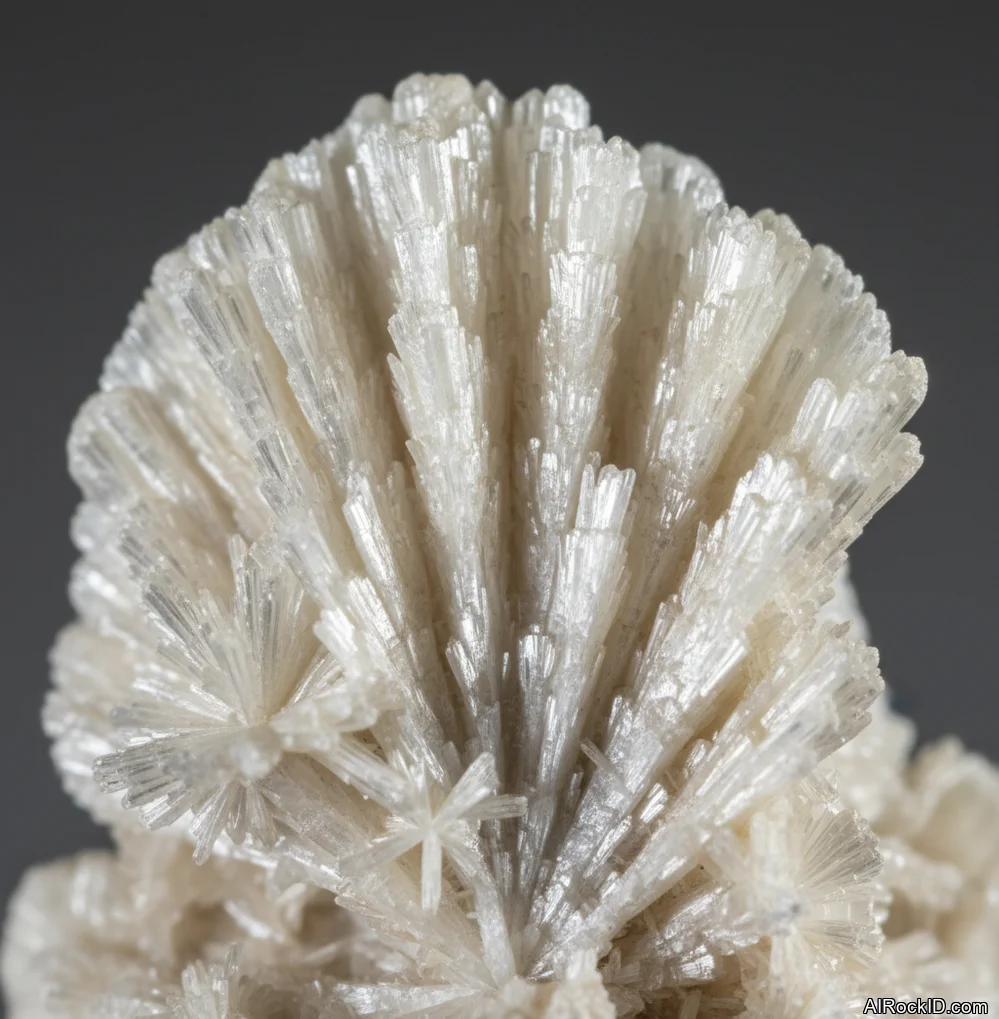
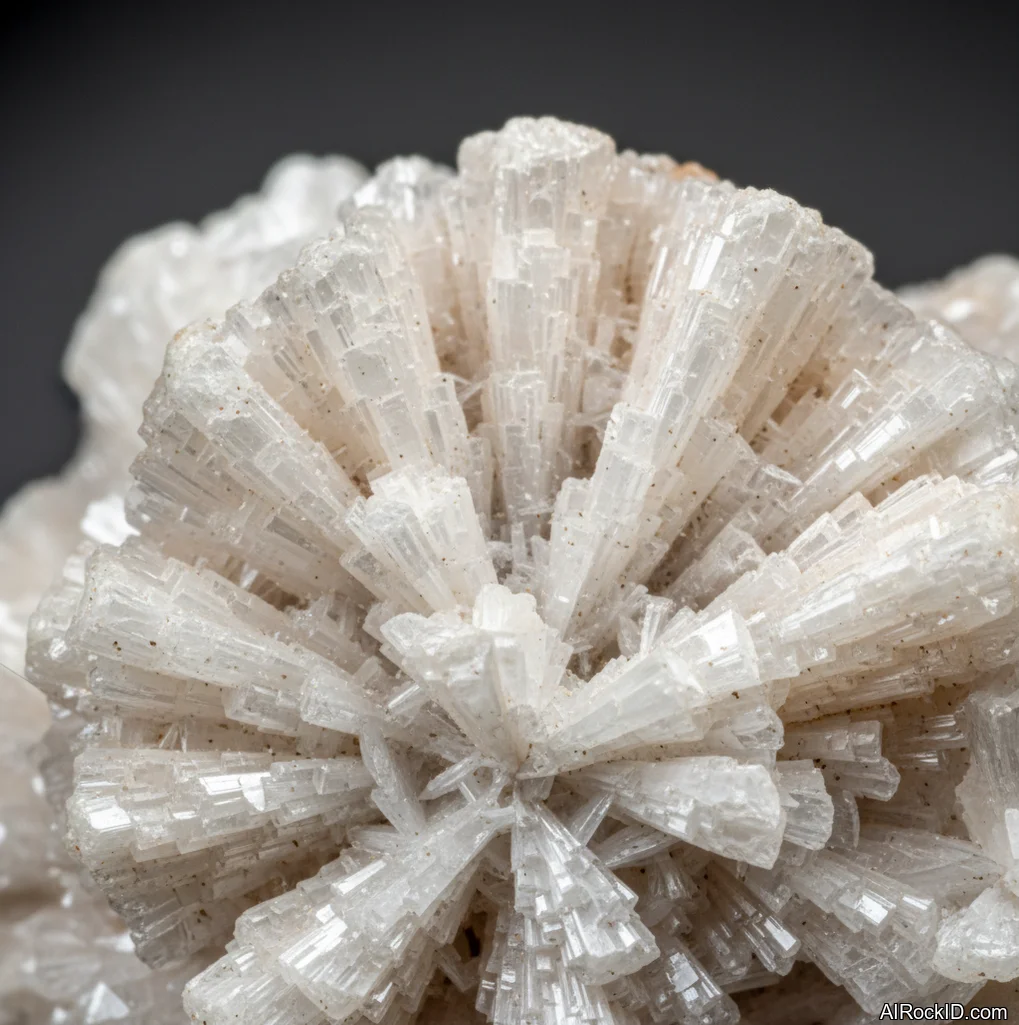
Natrolite is a zeolite mineral, specifically a hydrated sodium aluminum silicate, and it usually shows up as skinny, needle-like crystals tucked into little cavities in basalt and other volcanic rocks.
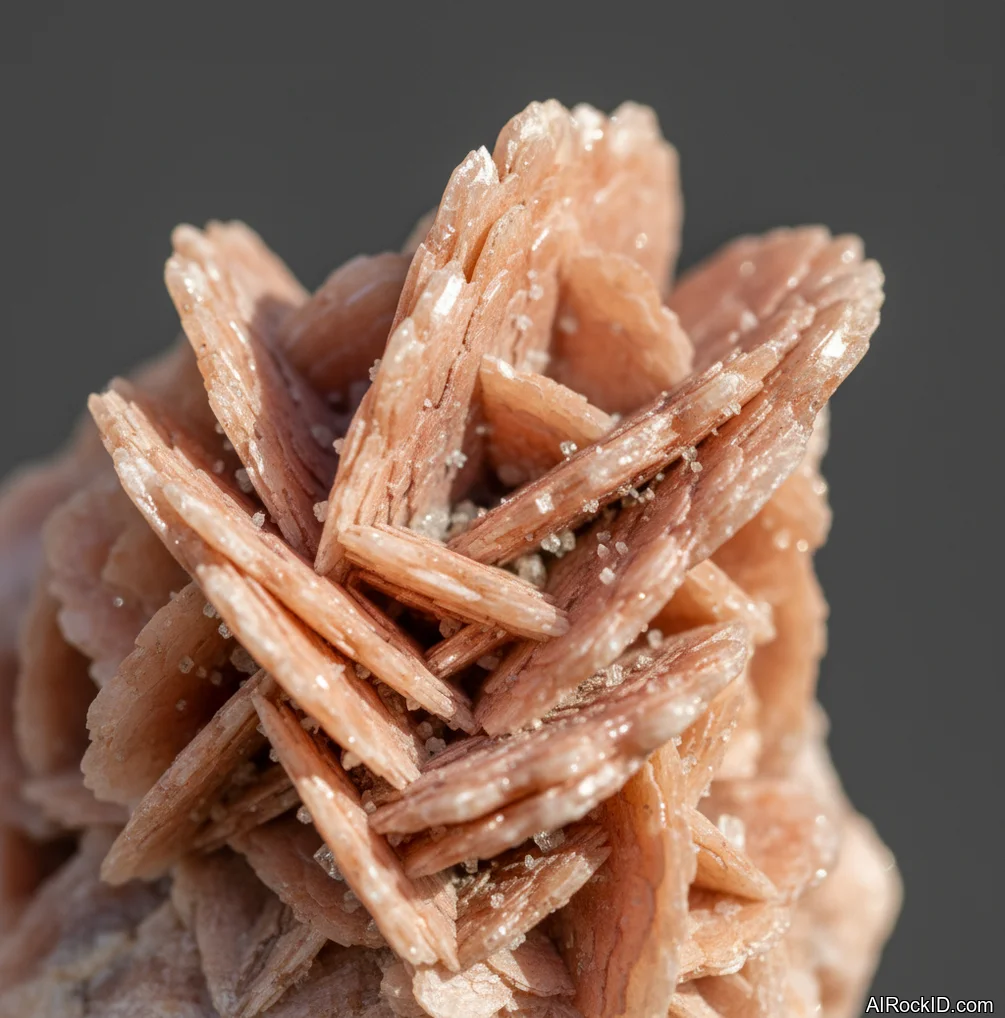
Hold a piece in your hand and the first thing you notice is the texture. Those needles look like they’d poke you, but most specimens don’t actually feel sharp, more like a stiff little brush, or that frozen, fiberglass-spray look when the crystals are packed tight. The color’s typically snowy white or clear, and the really good ones flash a clean, glassy sparkle right at the tips when you tilt them under a shop light (you know that instant glint?).
People mix it up with scolecite or mesolite all the time, and yeah, I get why. But natrolite usually grows straighter and sharper, and it has this kind of “zippy” brightness compared to the softer, cottony look you see on a lot of scolecite. Just don’t treat it like quartz. It’s not as tough as it looks.
Origin & History
In 1803, Martin Heinrich Klaproth officially described natrolite. The name traces back to “natron,” meaning sodium, which tracks because natrolite is a sodium-rich zeolite.
Collectors didn’t always fuss over it, but that changed fast when the classic spots started turning up those bright white sprays and tight bundles that look killer in photos. And for researchers, it’s been a real workhorse in zeolite studies: you find it all the time lining basalt cavities, and it behaves exactly like a proper zeolite ought to, with water sitting in its structure.
Where Is Natrolite Found?
Natrolite shows up in basalt and other volcanic rocks worldwide, especially in cavity fillings with other zeolites. Classic material comes from places like Iceland, India (Deccan Traps), the USA, and parts of Europe.
Formation
Natrolite usually shows up pretty late, once the lava’s already cooled off and left behind little pockets and cracks in the rock. Then groundwater or hydrothermal fluids start sneaking through those spaces, hauling dissolved silica, aluminum, and sodium along for the ride. Give it time, the chemistry nudges in the right direction, and natrolite begins to grow right into that open void.
Look, if you’ve ever had a clean vug in your hand and tilted it under a light, you can actually see the order things happened. First you get the earlier, chunkier minerals coating the cavity walls. Then the natrolite comes last, all thin needles, like a final dusting of frost (the kind that catches on the edges and corners). So yeah, it’s a zeolite with water built into its structure, which is why it’s most comfortable forming at relatively low temperatures compared to a lot of “classic” pegmatite crystals.
How to Identify Natrolite
Color: Most natrolite is colorless to white; some pieces look faintly gray, cream, or slightly yellowish from iron staining or matrix dust. Transparent crystals exist, but many specimens look milky in thicker bundles.
Luster: Vitreous on crystal faces, sometimes silky when crystals are densely fibrous.
Compared to scolecite, natrolite tends to look straighter and more needle-sharp, with sprays that keep their shape instead of drooping into a fluffy mass. The real test is hardness: if you scratch it with a steel nail you’ll usually get a mark, but it can scratch a copper coin. And in-hand, natrolite clusters feel lighter than you expect because they’re mostly air and needles on a matrix.
Properties of Natrolite
Physical Properties
| Crystal System | Orthorhombic |
| Hardness (Mohs) | 5-5.5 (Medium (4-6)) |
| Density | 2.20-2.26 g/cm3 |
| Luster | Vitreous |
| Diaphaneity | Transparent to translucent |
| Fracture | Uneven |
| Streak | White |
| Magnetism | Non-magnetic |
| Colors | Colorless, White, Gray, Cream, Pale yellow |
Chemical Properties
| Classification | Silicates |
| Formula | Na2Al2Si3O10·2H2O |
| Elements | Na, Al, Si, O, H |
| Common Impurities | K, Ca, Fe |
Optical Properties
| Refractive Index | 1.480-1.494 |
| Birefringence | 0.014 |
| Pleochroism | None |
| Optical Character | Biaxial |
Natrolite Health & Safety
Natrolite’s usually safe to handle, and it isn’t considered toxic. The bigger issue is just physical: those needle-like crystal bundles can be pretty sharp if you brush a finger along them, so you might end up with minor skin irritation. And honestly, the specimen itself is the thing most likely to get hurt, since the crystals can chip or snap if you bump them around.
Safety Tips
Hold the spray by the matrix, not the needles. Those needles bend fast if you so much as brush them. And when you pack the specimen, wrap it snug so it can’t shift around and rattle in the box (that little clicking sound is trouble).
Natrolite Value & Price
Price Range
Rough/Tumbled: $10 - $250 per specimen
Cut/Polished: $20 - $120 per carat
Prices jump fast when the spray is clean and damage-free, the color stays bright white, and the contrast matrix looks sharp. Long, unbroken needles and tight radial bursts cost more, since those are the first things that get crushed in shipping (seriously, they don’t last five minutes in a loose box).
Durability
Nondurable — Scratch resistance: Fair, Toughness: Poor
Natrolite is stable in normal indoor conditions, but the crystals chip and break easily, especially in needle sprays.
How to Care for Natrolite
Use & Storage
Store natrolite so nothing can press on the crystal sprays. I keep mine in a perky box or a display case where the piece can’t tip forward.
Cleaning
1) Blow off dust with a bulb blower or canned air held at a distance. 2) If needed, rinse quickly in cool water and let it air-dry completely. 3) Use a very soft brush only on the matrix, not on the needles.
Cleanse & Charge
For a gentle reset, use smoke, sound, or a quick moonlight sit instead of burying it in salt. I avoid rough “cleansing bowls” because natrolite hates being bumped.
Placement
Set it somewhere stable, away from busy shelves and curious hands. Side lighting looks great on natrolite because it catches the needle tips.
Caution
Skip ultrasonic cleaners, harsh chemicals, and any kind of hard scrubbing on those crystal sprays. And don’t throw natrolite into a tumbler with other stones, because it’ll come out looking like it just got blasted in a hailstorm.
Works Well With
Natrolite Meaning & Healing Properties
A lot of people who grab natrolite for “energy” reasons are chasing that clear-headed, locked-in focus feeling. And yeah, I get why. Just looking at it kind of sells the idea, with those straight, needle-like sprays all lined up like they’ve got a single job to do.
Thing is, the second you actually pick up a natrolite spray, you naturally slow down. You don’t want to hear that tiny crunch or feel one of those brittle needles give way in your fingers (ask me how I know). That careful, almost fussy handling becomes part of the whole vibe. In my own stash, natrolite is the one I set next to my notebook when I’m trying to turn a chaotic plan into an actual checklist. Not because I think it’s medicine. More like a physical reminder to tighten up and get organized.
But let’s be real. If you want something “soft” or comforting, natrolite might not hit that note. It can read as kind of intense, almost like visual static, especially under a bright lamp. So if that’s your reaction, pairing it with something gentler like stilbite, a chunk of rose quartz, or even a smoother palm stone can take the edge off, at least in terms of how the space feels.
Identify Any Crystal Instantly
Snap a photo and get properties, value, care instructions, and healing meanings in seconds.