Pinolith Pinolite
What Is Pinolith Pinolite?
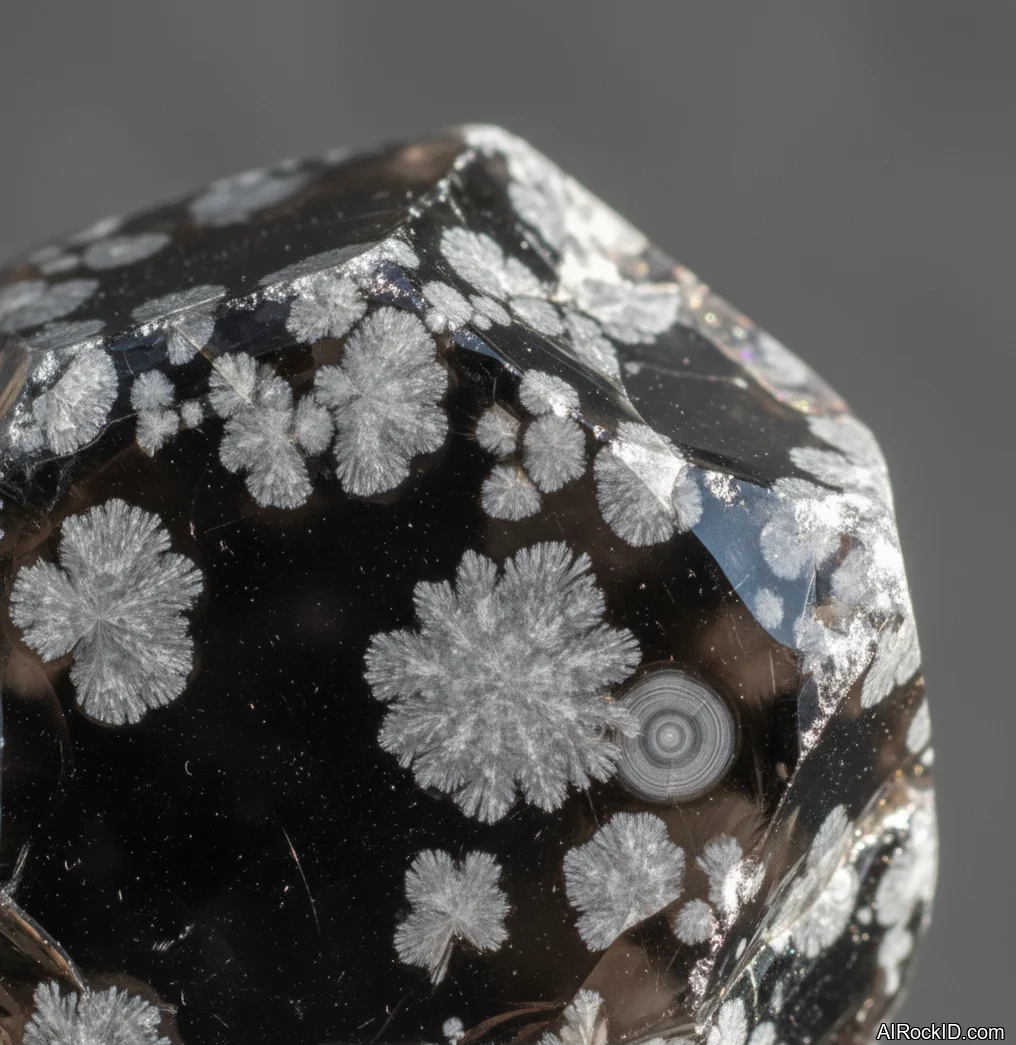
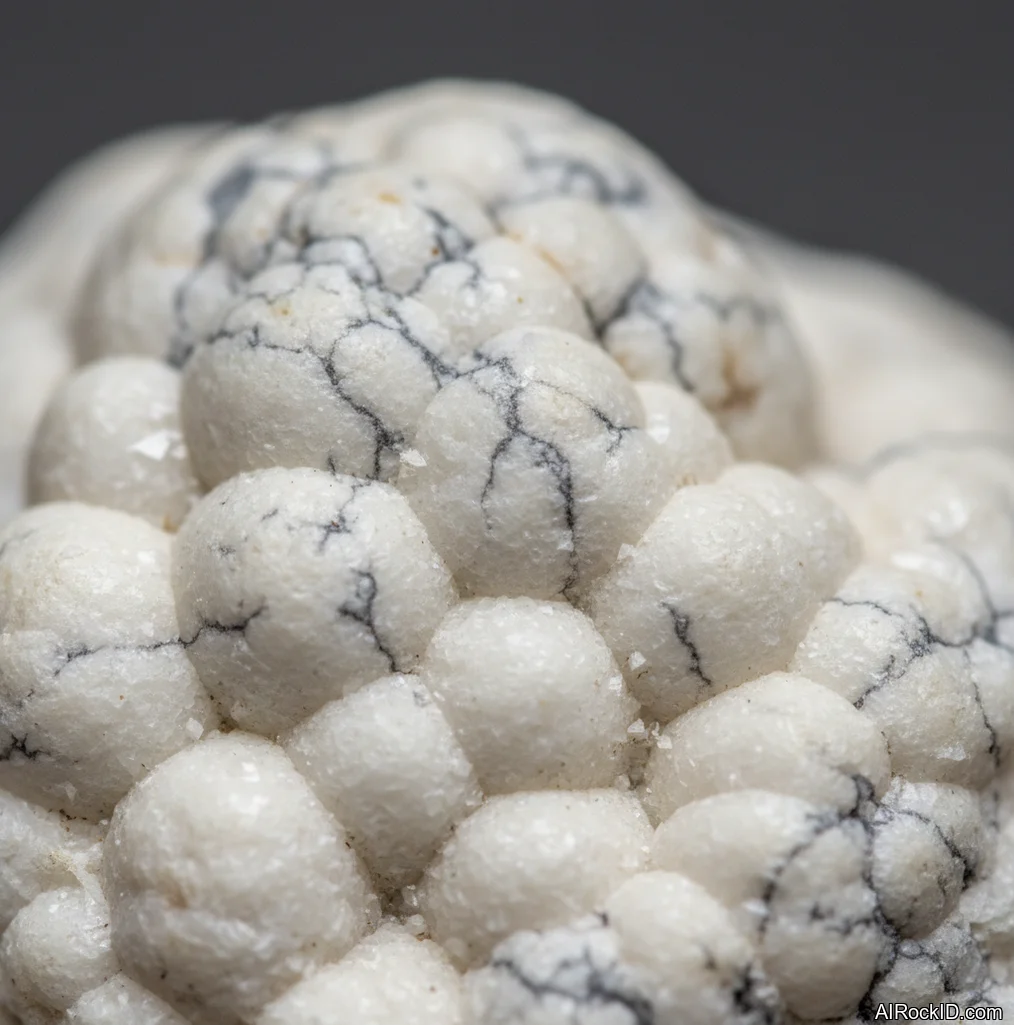
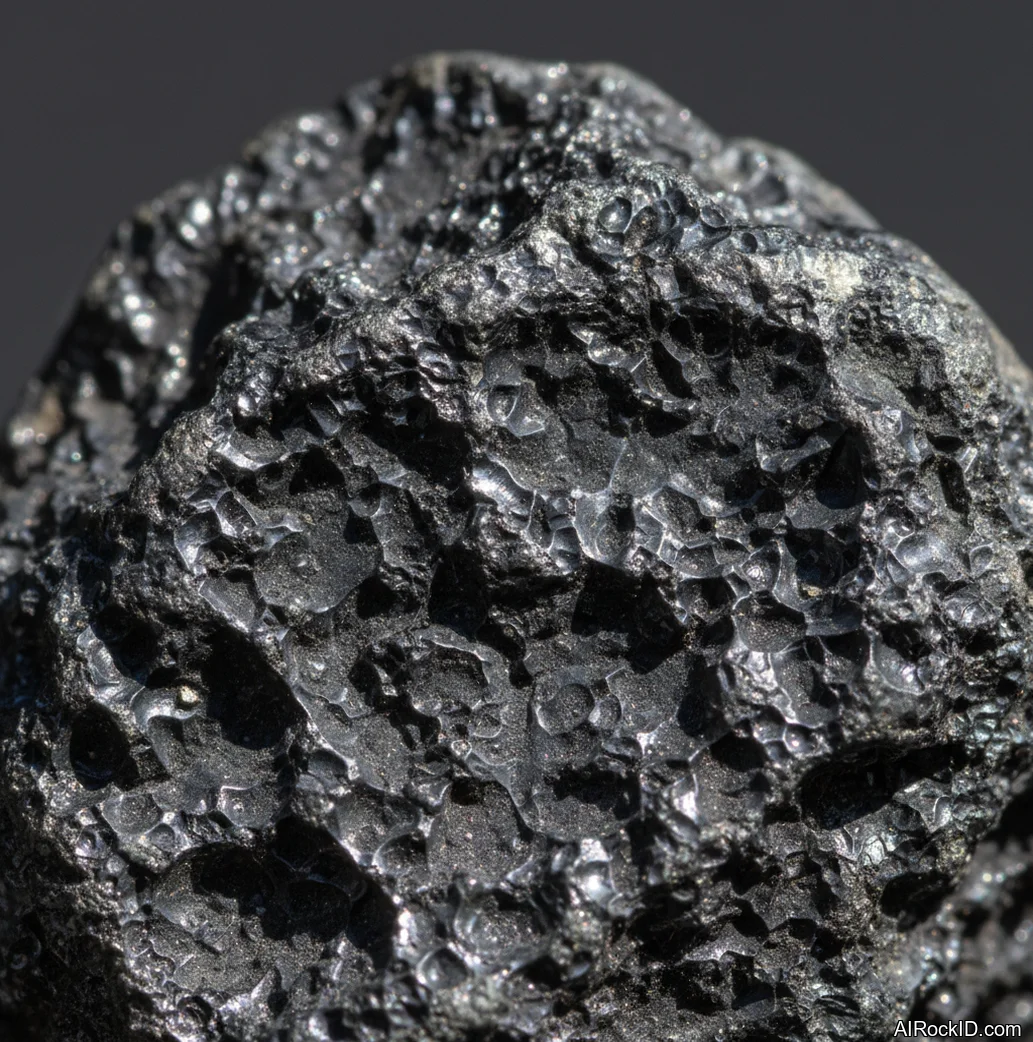
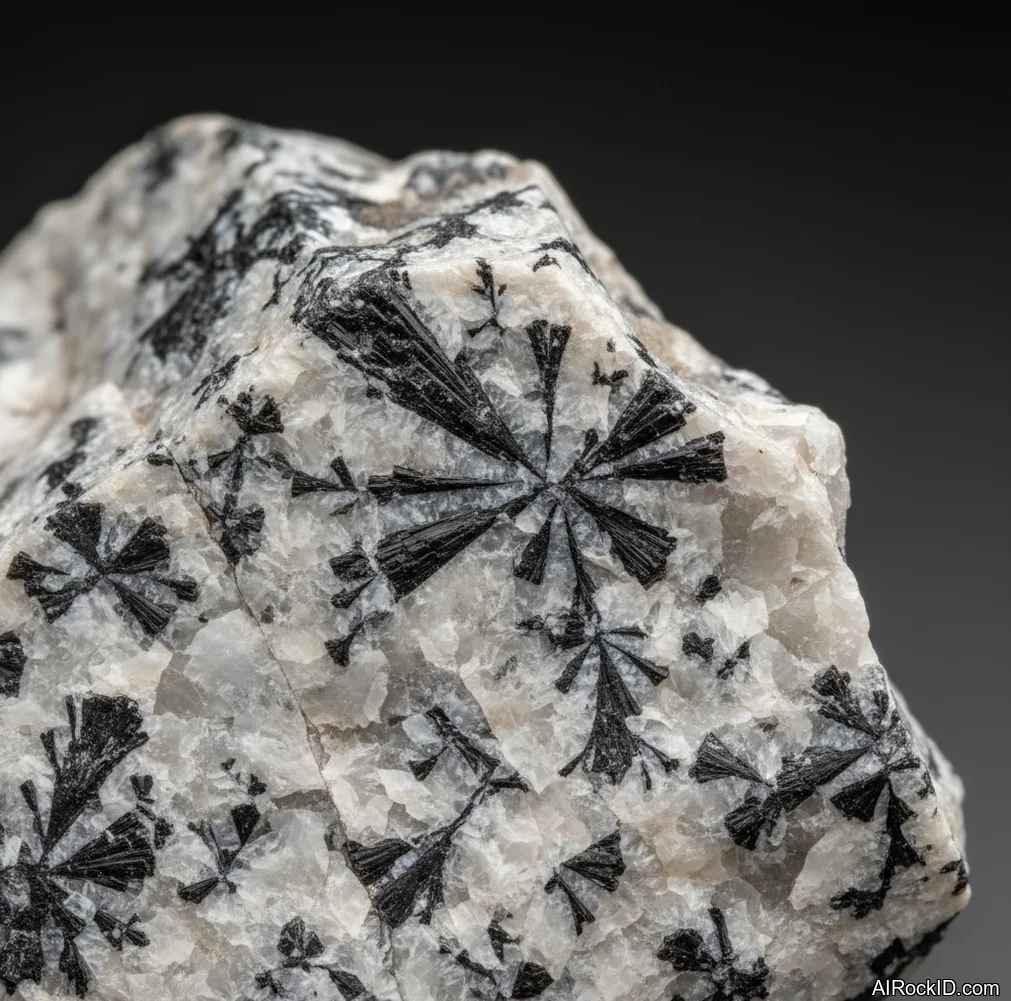
Pinolith (you’ll also see it sold as pinolite) is a metamorphic marble made mostly of magnesite and dolomite, with graphite mixed in, and it usually shows those white rosette, “pine nut” shapes sitting in a dark matrix.
Grab a palm stone and you notice it right away: it looks like a night sky with little white pops scattered through it. It’s typically cool in your hand, and honestly it feels a bit heavier than you’d expect from something that dark, especially if you’re comparing it to jasper. And the pattern doesn’t look like some printed, too-perfect thing. It’s chunky. Snowy. Those magnesite spots break up the dark graphite background in a way that’s kind of hard to unsee once you’ve noticed it.
People often glance at it and go, “Oh, granite,” or even “gabbro,” because of the black-and-white contrast. But it doesn’t act like either one. The polish comes out nice, but not super glassy, and under a bright light the white patches can look a little sugary. I’ve handled plenty of tumbled pieces where the white rosettes sit just a hair higher than the darker matrix, so if you drag a thumbnail across it you can feel that tiny change in texture. Subtle, but it’s there.
Origin & History
“Pinolith” got its name because those pale rosettes really do look like tiny pine cones or pine nuts when you’re holding a polished piece and tipping it under a lamp. “Pinolite” is basically just the trade spelling that ended up sticking in the crystal market. In geology terms, people call it what it is: a magnesite-dolomite marble with graphite.
Most collectors point to Styria (Steiermark) in Austria for the classic material, and yeah, it’s been quarried and cut as an ornamental stone there for ages. Dealers leaned into it more in the late 20th century, mostly because that sharp black-and-white “snowflake” pattern slid neatly into the same buyer niche as snowflake obsidian and dalmatian stone, even though the geology is totally different.
Where Is Pinolith Pinolite Found?
Classic pinolith on the market is strongly associated with Styria in Austria, with similar magnesite-dolomite marbles occurring in parts of the Alps and other metamorphic belts.
Formation
Pinolith starts out as a carbonate rock that gets basically cooked and squeezed during metamorphism. The carbonate turns into marble, and the carbon-rich bits get pushed into graphite, which is what you’re seeing as the darker matrix. Those white “pine nut” spots? They’re usually magnesite-rich patches that recrystallized in a different way than the carbonate around them.
If you’ve ever looked at a fresh break (the kind that feels a little chalky on your fingertips), it clicks pretty fast. You’re not looking at neat crystal points. You’re looking at a tight mosaic of grains that grew and welded together under heat and pressure. So yeah, it’ll take a polish like a decorative stone, but under a harsh LED you can still catch that faintly granular look. Why? Because those interlocked grains are still doing their thing.
How to Identify Pinolith Pinolite
Color: Most pieces are dark gray to near-black with scattered white to off-white rosettes or blotches. The contrast can be sharp, but some material looks smoky or streaky when the graphite content is lower.
Luster: Polished pinolith has a waxy to dull sheen rather than a glassy sparkle.
Pick up a piece and rub it with your thumb. Real pinolith often feels like two textures at once, with the white rosettes slightly different from the darker matrix. If you scratch it with a steel nail, the white magnesite-rich areas can mark easier than the dark parts, which surprises people who assume it’s all one hardness. The problem with listings online is sellers slap “pinolite granite” on anything black-and-white, so ask for a close photo of the rosette pattern, not just a polished face.
Properties of Pinolith Pinolite
Physical Properties
| Crystal System | Trigonal |
| Hardness (Mohs) | 3.5-4.5 (Soft (2-4)) |
| Density | 2.85-3.05 g/cm3 |
| Luster | Waxy |
| Diaphaneity | Opaque |
| Fracture | Uneven |
| Streak | white |
| Magnetism | Non-magnetic |
| Colors | black, dark gray, white, off-white |
Chemical Properties
| Classification | Carbonates |
| Formula | Variable; mainly MgCO3 + CaMg(CO3)2 with C (graphite) |
| Elements | Mg, Ca, C, O |
| Common Impurities | Fe, Mn, Si |
Optical Properties
| Refractive Index | 1.51-1.70 |
| Birefringence | 0.000-0.179 |
| Pleochroism | None |
| Optical Character | Uniaxial |
Pinolith Pinolite Health & Safety
Pinolith is usually safe to handle and keep on display. But like any stone, if you’re grinding or cutting it, don’t breathe in the dust.
Safety Tips
If you’re shaping it, keep it damp, make sure you’ve got decent airflow, and wear a real respirator that’s rated for fine particulates.
Pinolith Pinolite Value & Price
Price Range
Rough/Tumbled: $6 - $40 per piece
Price usually comes down to two things: how strong the contrast is and how good the polish looks in your hand. A big, clean slab with crisp white rosettes and that slick, glassy shine you can feel under your thumb will run higher than a small pocket stone with a muddy gray background (the kind that stays a little dull no matter how much you tilt it under the light).
Durability
Moderate — Scratch resistance: Fair, Toughness: Fair
It’s stable as a display stone, but the carbonate content means it can etch or dull if you treat it like quartz.
How to Care for Pinolith Pinolite
Use & Storage
Keep it in a pouch or a compartmented box if it’s polished, because the surface can pick up scratches from harder stones. I don’t toss it in with quartz points unless I want new scuffs.
Cleaning
1) Rinse with lukewarm water and a drop of mild soap. 2) Use a soft toothbrush to get into little pits around the white rosettes. 3) Rinse well and dry with a microfiber cloth.
Cleanse & Charge
If you do energy-style cleansing, stick to gentle options like smoke, sound, or leaving it on a shelf overnight. I skip salt bowls with carbonate rocks because the finish can get weird over time.
Placement
Looks best under angled light so the white rosettes pop without glare. On a desk, it’s a nice “hands stone” since it doesn’t feel sharp or pokey.
Caution
Skip acids and acid-based cleaners, vinegar included, because carbonate minerals will etch. And if you’re trying to keep that high-gloss, mirror-like shine (the kind you see when light skates across the surface), don’t use ultrasonic or steam cleaning either.
Works Well With
Pinolith Pinolite Meaning & Healing Properties
In crystal shops, people talk about pinolith like it’s a grounding, calming stone, and honestly, I see it. Just looking at it settles you down a bit. It has that “snow on dark pavement” vibe, and when your head’s buzzing, it’s weirdly easy to lock onto those repeating little rosettes and just… breathe.
I’ve watched customers grab a piece and, without thinking, start rubbing the white patches with their thumb like it’s a worry stone. Same spot, over and over. That touchy-feely part counts. The dark, graphite-heavy matrix feels solid in your hand, and the pale bursts interrupt it so it doesn’t feel emotionally “too heavy” (if that makes sense). But look, if you’re waiting for some dramatic, zingy energy jolt, pinolith usually won’t do that. It’s quieter. More like a slow, steady companion you keep around.
Use it when you meditate, when you journal, or when you just need something to hold during a rough phone call. And keep your boundaries straight. This kind of thing is personal practice, not medical care, and it shouldn’t replace real help when you need it.
Identify Any Crystal Instantly
Snap a photo and get properties, value, care instructions, and healing meanings in seconds.