Schalenblende
What Is Schalenblende?
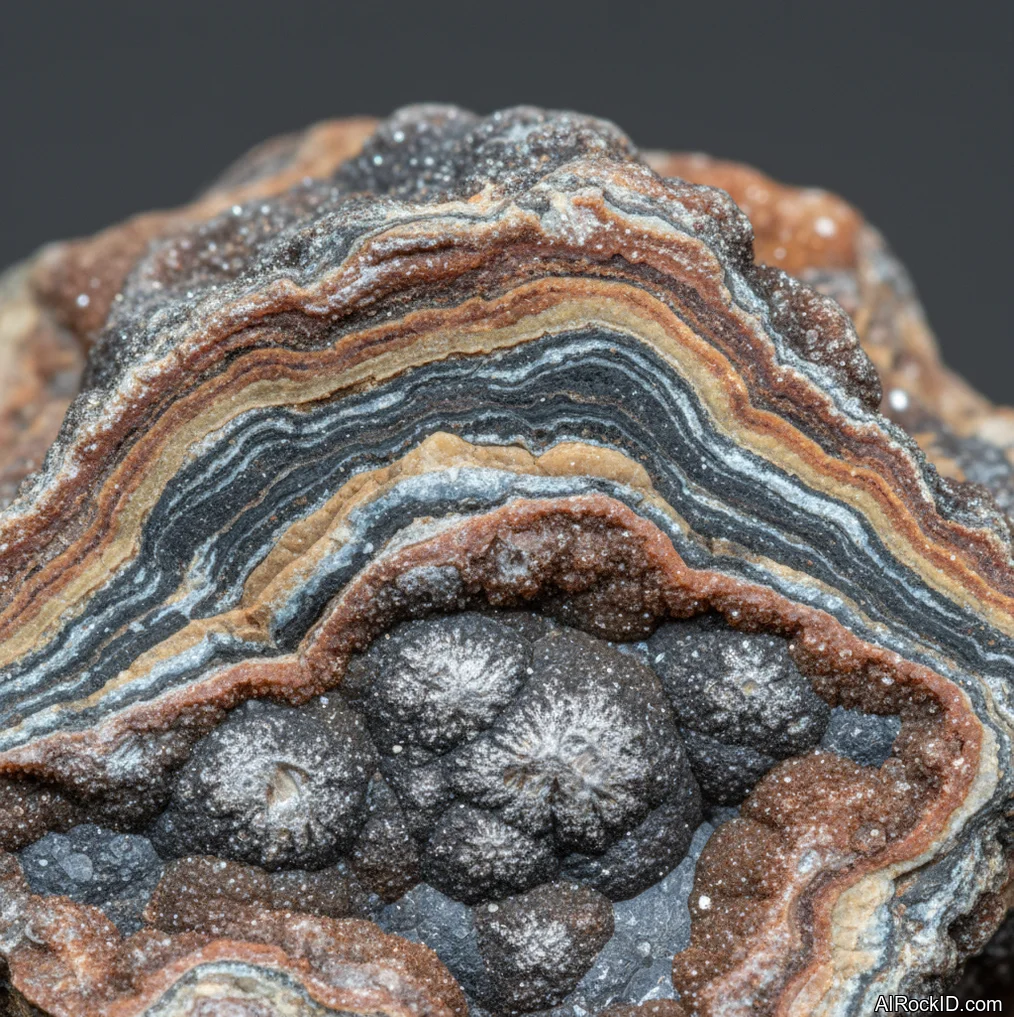
Schalenblende is a banded, concentrically layered aggregate dominated by sphalerite (zinc sulfide). It’s often mixed with wurtzite, galena, plus iron sulfides.
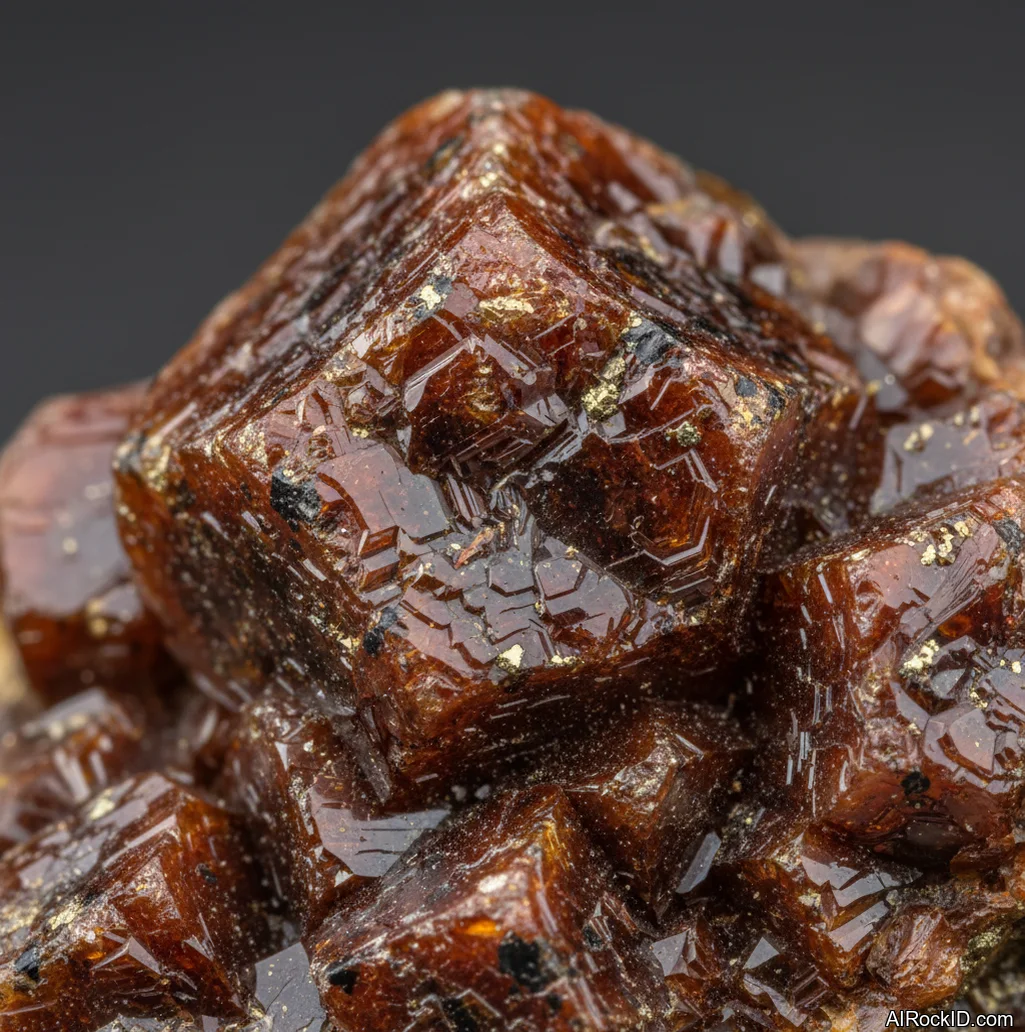
Look, the first time you see it, it honestly looks like somebody stacked thin pancakes of brown and black ore, then cut the stack in half so the rings show. Some pieces have super tight, fine banding. Others go chunky, with thick honey-brown layers that catch a little flash when you tilt them under a shop light (the kind that makes everything look shinier than it is). Pick one up and the weight hits you first. It just sits heavy in your palm, heavier than you’d guess from photos where it can look kind of flat and dull.
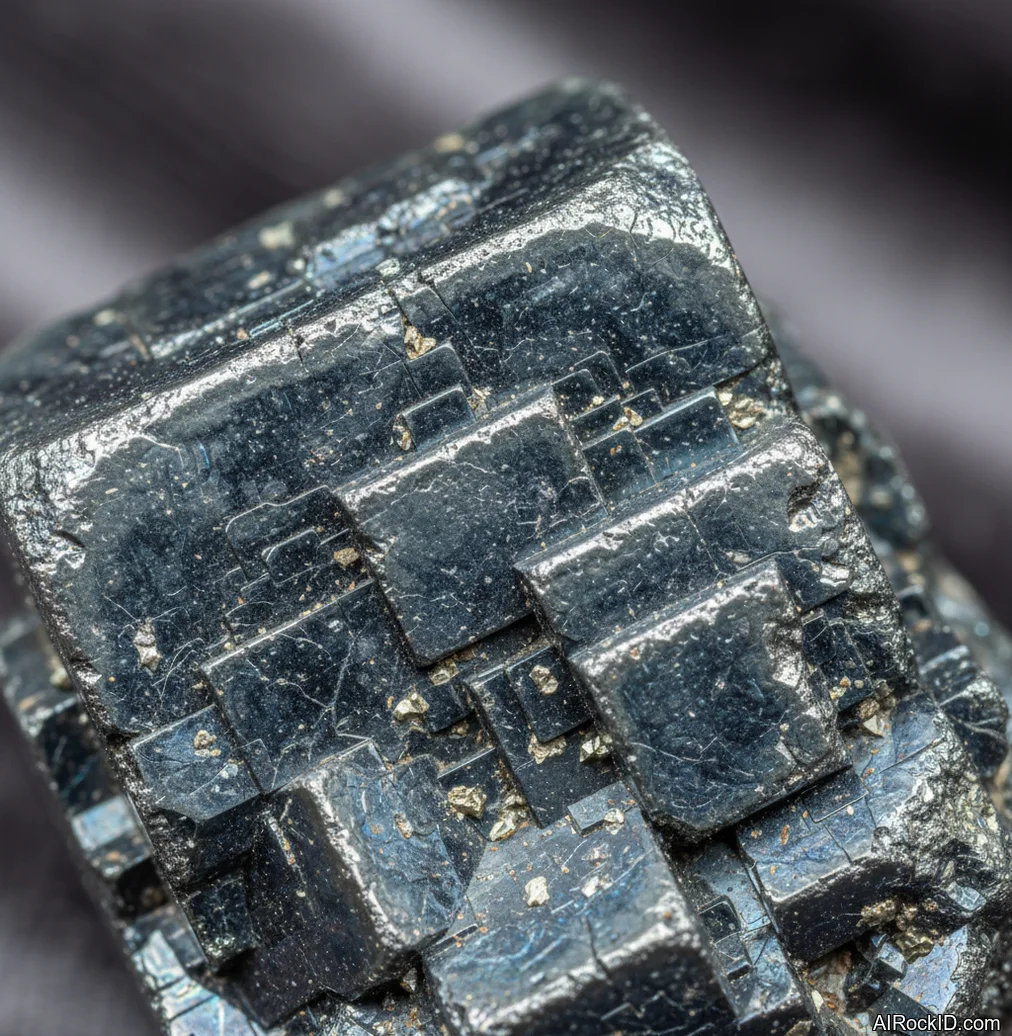
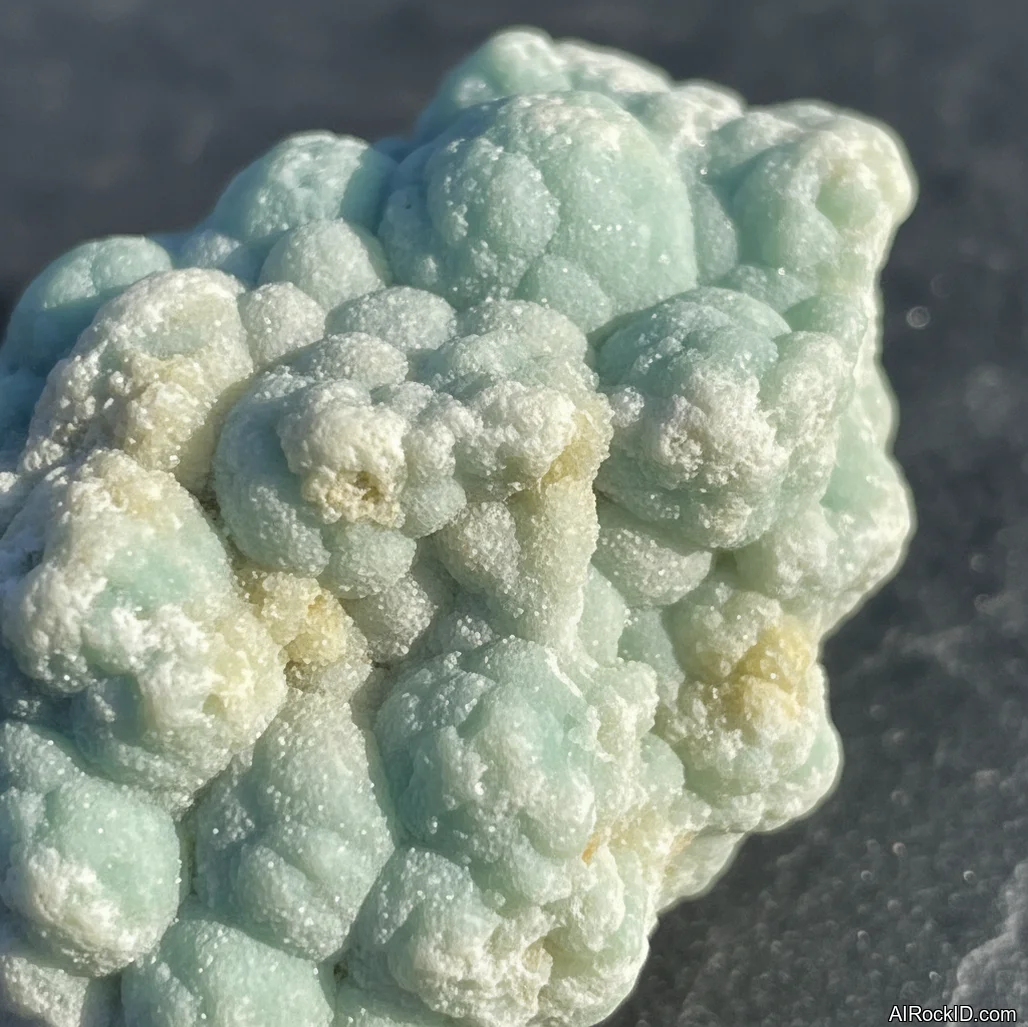
Thing is, most specimens aren’t pointy crystals. They’re botryoidal, that “kidney ore” look, and if you’ve got a broken face you’ll see that shell-like layering right away. And when the surface is fresh, the luster can swing from resinous to almost metallic in spots, especially where there’s more iron sulfide mixed in.
Origin & History
The name’s straight out of German. “Schale” means shell or bowl, which makes sense the first time you crack a piece and see those shell-like layers on the fresh break. It wasn’t coined by someone hunched over a microprobe, either. It started as a practical field term miners and collectors tossed around long before anyone was measuring every thin band.
You run into Schalenblende in the older European zinc-lead mining districts, right in the middle of the classic ore-mineral setup: zinc coming from sphalerite, lead coming from galena, plus all those messy intergrowths you get when hydrothermal fluids pulse through, back off, then push through again over time. Old books sometimes treat it like it’s its own separate thing. But in the case, it really acts more like banded sphalerite ore than a distinct mineral species.
Where Is Schalenblende Found?
You see it most in zinc-lead ore districts, especially classic European localities and a few big Mississippi Valley-type districts in North America.
Formation
Look at the bands up close and you can basically read its growth record. Schalenblende shows up when zinc-rich fluids drop sphalerite in pulses, often right alongside other sulfides like galena and iron sulfides. Those bursts stack up as concentric shells, sometimes wrapping an older core, other times building botryoidal layers that line the walls of cavities.
Next to clean, sharp sphalerite crystals, schalenblende is the messy cousin. It grew fast. Conditions kept changing. Tiny shifts in chemistry, temperature, or sulfur activity can flip what’s getting laid down, so you end up with alternating dark and light layers. And you’ll often see wurtzite mixed in too, especially when the texture goes fibrous or the sheen tweaks slightly from one band to the next (that little change in luster is a tell, isn’t it?).
How to Identify Schalenblende
Color: Usually brown to black with lighter honey-yellow, tan, or amber bands; fresh breaks can show warm caramel tones mixed with sooty gray layers.
Luster: Resinous to submetallic, sometimes patchy where different sulfides are layered together.
Pick up a chunk and check the heft. It should feel dense for its size, and the broken faces often show curved, shell-like banding instead of flat crystal faces. If you scratch it with a steel nail, it’ll mark more easily than most people expect, since sphalerite sits around Mohs 3.5 to 4. The problem with seller labels is that almost any banded sulfide gets called schalenblende, so the real test is those concentric shells plus the sphalerite look on a fresh fracture.
Properties of Schalenblende
Physical Properties
| Crystal System | Cubic |
| Hardness (Mohs) | 3.5-4 (Soft (2-4)) |
| Density | 3.9-4.1 g/cm3 |
| Luster | Resinous |
| Diaphaneity | Opaque |
| Fracture | Uneven |
| Streak | light brown to yellowish-brown |
| Magnetism | Non-magnetic |
| Colors | brown, black, honey-yellow, tan, amber, gray |
Chemical Properties
| Classification | Sulfides |
| Formula | ZnS |
| Elements | Zn, S |
| Common Impurities | Fe, Cd, Mn, Ga, Ge, In, Pb |
Optical Properties
| Refractive Index | 2.37 |
| Birefringence | None |
| Pleochroism | None |
| Optical Character | Isotropic |
Schalenblende Health & Safety
Handling it is usually fine. But if you’re cutting, grinding, or sanding it, don’t breathe in the dust. That gritty sulfide-mineral powder can irritate your lungs, and it can also carry tiny amounts of lead from nearby associated minerals. Why take the chance?
Safety Tips
If you’re cutting, shaping, or even just trimming this stuff, keep it wet, make sure you’ve got solid ventilation, and wear a proper respirator. And after you handle ore-grade pieces, go wash your hands. Seriously.
Schalenblende Value & Price
Price Range
Rough/Tumbled: $10 - $120 per specimen
Price mostly follows the banding quality and how readable the shells look once you’ve cut them open. Big, clean slices with that sharp honey-and-black contrast will run higher than crumbly, dark ore chunks that just sort of fall apart in your hand.
Durability
Nondurable — Scratch resistance: Poor, Toughness: Fair
It’s stable on a shelf, but it scratches easily and edges can chip if you let specimens knock together.
How to Care for Schalenblende
Use & Storage
Store it wrapped or in a compartmented box so the soft surfaces don’t get scuffed by quartz or other harder minerals. I keep mine away from “grab bag” trays because one tumble around and the banded face gets dull fast.
Cleaning
1) Rinse briefly in lukewarm water to remove loose dirt. 2) Use a soft toothbrush with a drop of mild soap on stubborn clay. 3) Rinse again and pat dry; don’t soak for long if there’s visible galena seams or crumbly areas.
Cleanse & Charge
For a non-water method, set it on a dry dish of rice or leave it in moonlight overnight. Skip salt bowls since salty moisture can be rough on mixed sulfide specimens over time.
Placement
Looks best under a directional lamp so the resinous bands catch light when you rotate it. Put it somewhere it won’t get bumped, like the back of a shelf or a closed display case.
Caution
Skip ultrasonic cleaners and harsh acids. They can leave the surface feeling a little scuffed and chalky, and they can even open up hairline fractures you won’t see until the light hits it just right. And don’t cut or polish unless you’ve got solid dust control in place. Sulfide dust is a lung irritant, and the piece may have lead-bearing inclusions, so that fine powder is not something you want floating around.
Works Well With
Schalenblende Meaning & Healing Properties
Next to the flashier stones, schalenblende honestly feels like an “ore-body” rock the second you pick it up. It’s heavy. It sits in your palm like a little chunk of the earth with zero interest in being cute about it. And when I’m sorting trays after a show, it’s one of the few pieces that makes me slow down, mainly because it feels so physical and real (you can almost feel the weight pulling at your fingers).
In crystal-healing circles, people tie sphalerite-rich material to grounding, focus, and practical decision-making. I file it under supportive ritual objects, not health tools. If someone’s telling you it’ll fix a medical problem, that’s your cue to back away. But as a reminder stone for staying steady during a busy week, it does that job well, especially if you’re into minerals that look like they were pulled straight from an old mine, dust and all.
But there’s a catch. Some schalenblende looks dark and kind of plain until you get it under decent light, and a lot of pieces are crumbly around the edges (the kind where you can feel a bit of grit if you rub your thumb along a corner). So if you’re using it for meditation or tossing it in a pocket, you’ll want a solid, stable piece, not a flaky ore chunk that sheds crumbs everywhere. Why carry something that turns your pocket into a tiny gravel pit?
Identify Any Crystal Instantly
Snap a photo and get properties, value, care instructions, and healing meanings in seconds.