Star Jasper
What Is Star Jasper?
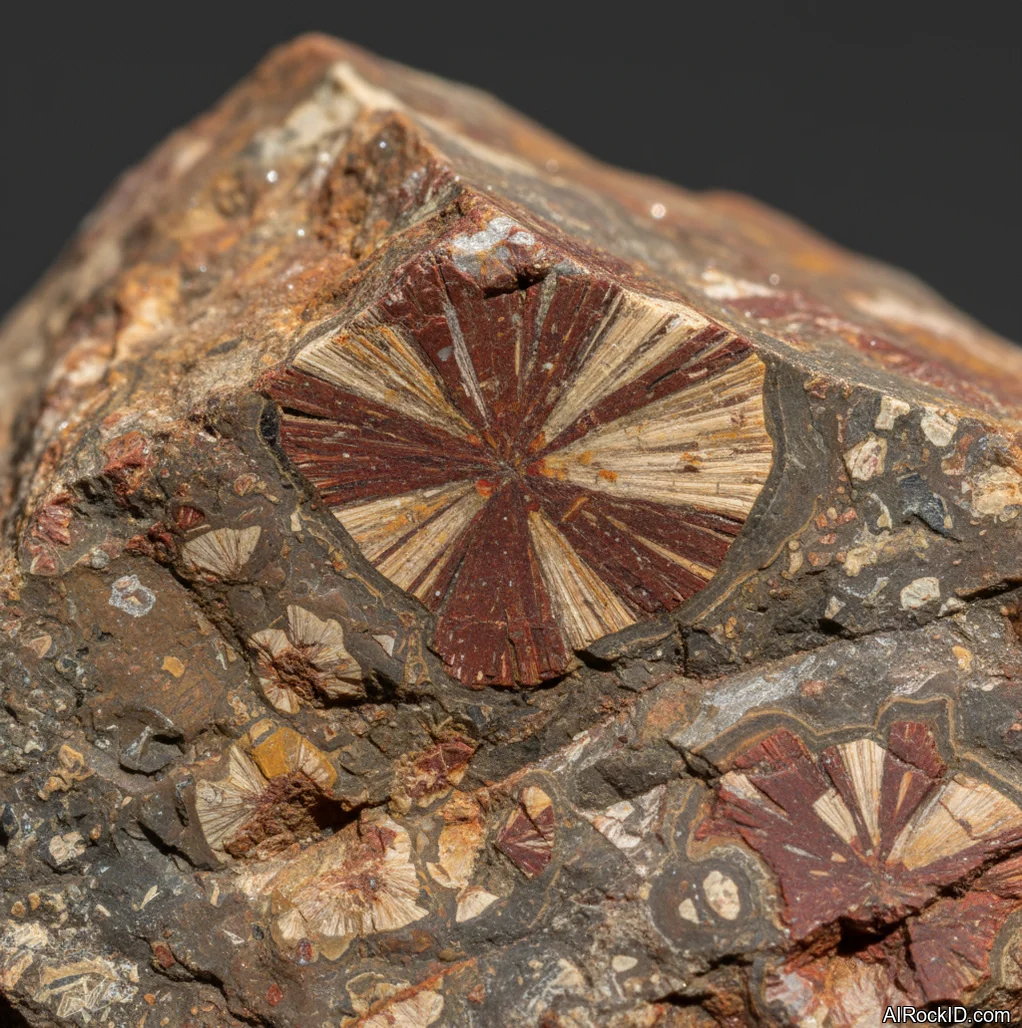
Star Jasper is a patterned jasper (microcrystalline quartz) with radiating, star-like bursts, sometimes called “flowers,” sitting inside an opaque jasper body.
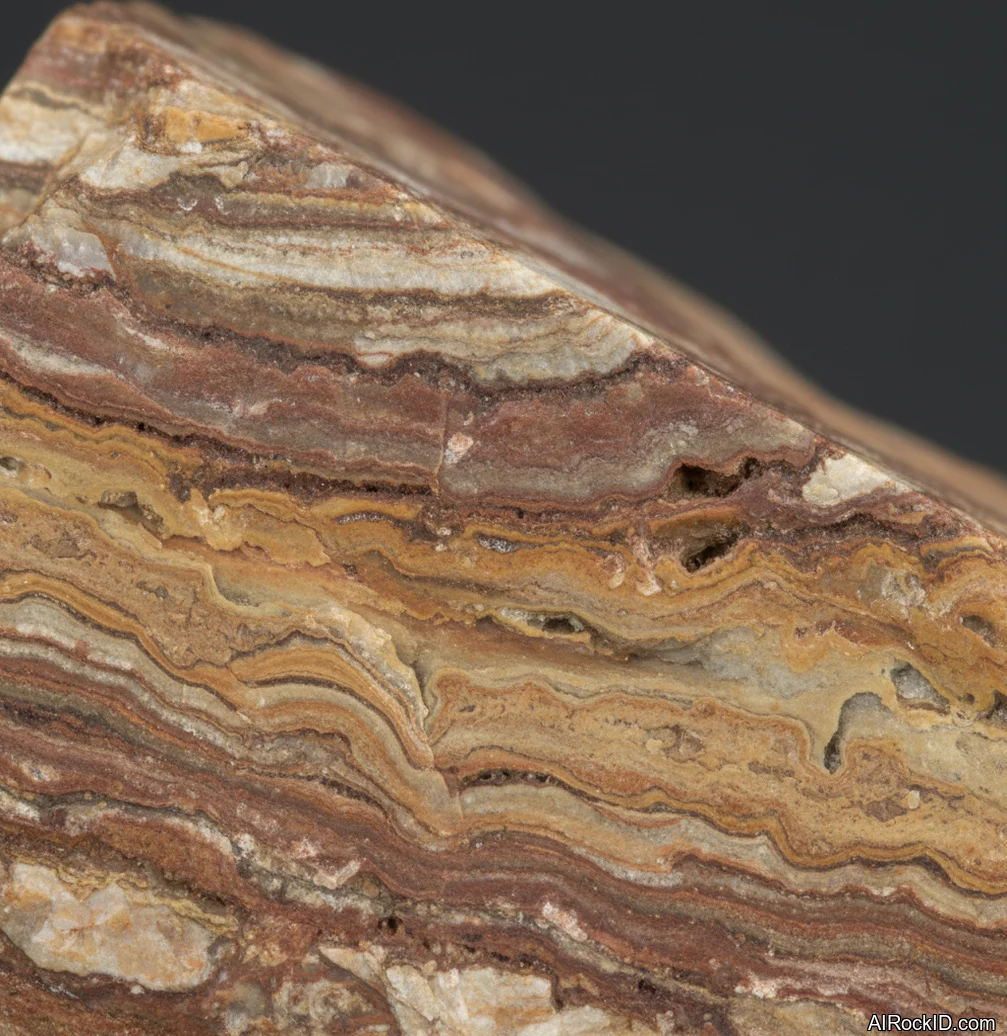
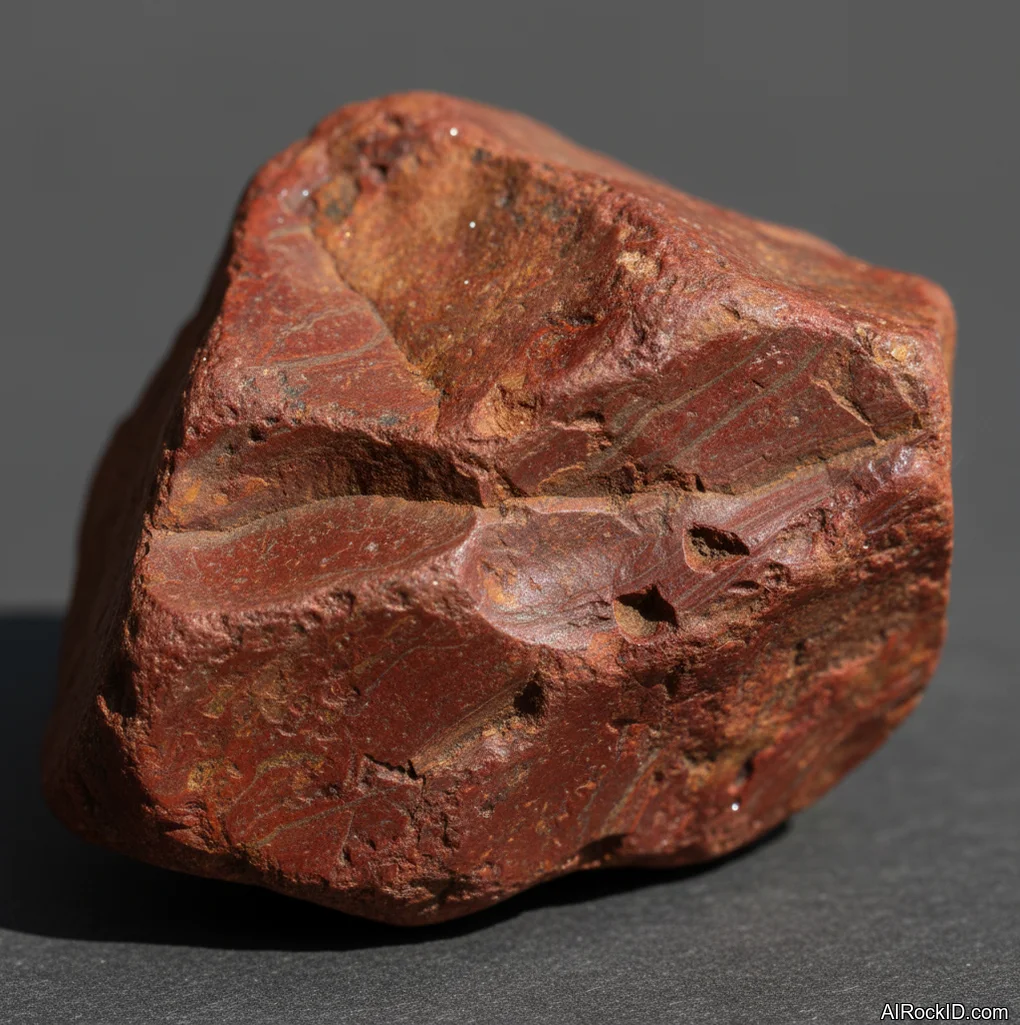
Pick up a tumbled piece and you clock it immediately. It’s got that quartz feel, cool in your palm, and the surface has that smooth, slightly waxy polish jaspers usually end up with. The “stars” don’t glitter like aventurine, either. They read more like pale spokes or tiny fireworks frozen mid-pop, usually cream, tan, or light gray laid over browns, reds, charcoal, or muddy green.
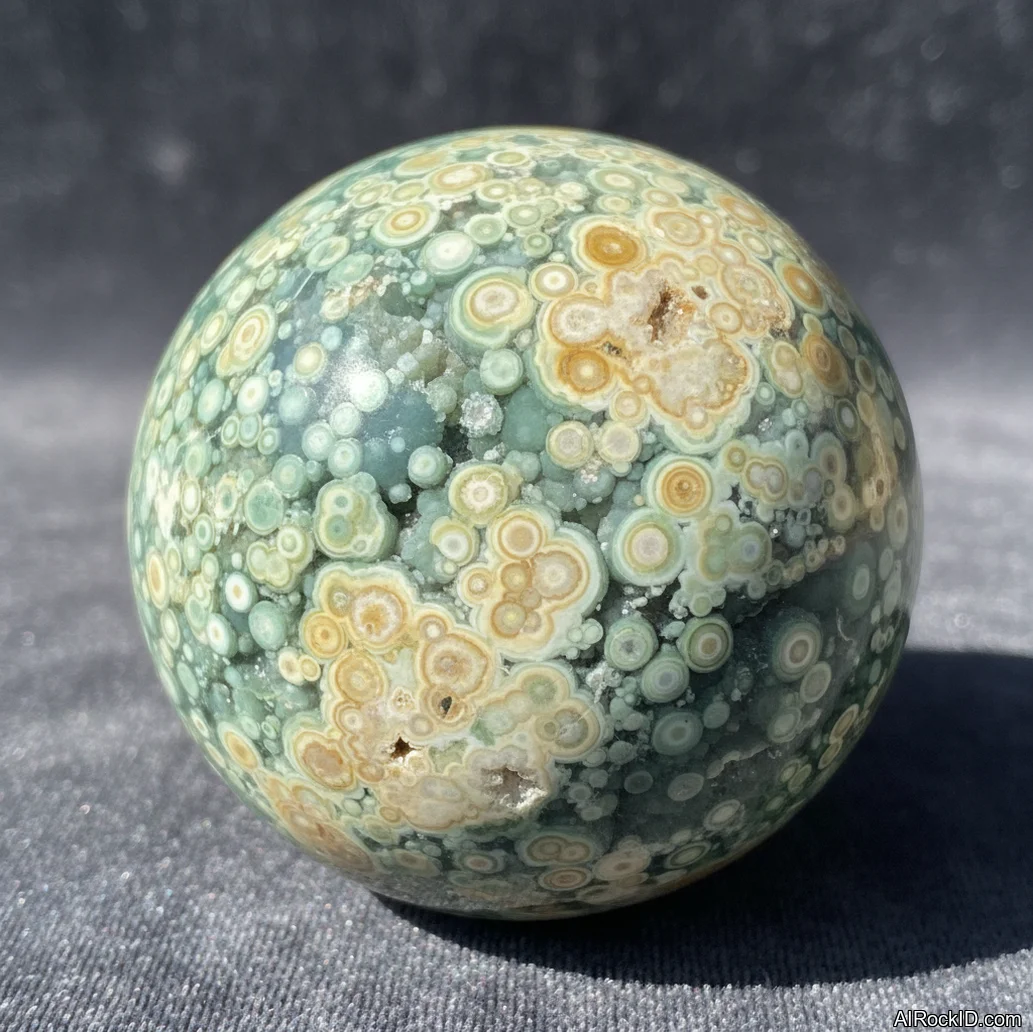
At first glance, a lot of sellers talk about it like it’s one specific stone. But it’s really more of a pattern name people use for a few different jasper looks. Some pieces show crisp, sharp bursts. Others look softer and smudged, like somebody dragged a dry brush through paint (you know that streaky, dusty edge?). And most of what you’ll see for sale is polished palm stones and cabochons, so if you’re after rough where the pattern is actually visible, you’ll have to hunt around a bit.
Origin & History
“Jasper” has been around forever as a word. It comes from the Greek *iaspis*, which basically meant a spotted or speckled stone.
But “Star Jasper” isn’t one of those older, formally defined types like heliotrope or mookaite. It’s a trade name. It showed up because the pattern kind of sells itself when you’ve got a slab laid flat on a table at a show and the overhead lights catch those starry spokes just right.
Most dealers won’t point you to some first scientific description of “Star Jasper,” since it isn’t a separate mineral species. In shop talk, it’s jasper with radiating inclusions, or those spherulitic-looking bursts, and it’s cut to put the spokes front and center. And if you ask three vendors where the name came from, you’ll get four answers. How’s that for consistent? (Not.)
Where Is Star Jasper Found?
Star-pattern jaspers show up anywhere jasper does, but most of what you see in shops is cut and exported from big lapidary supply chains rather than sold as mine-direct rough.
Formation
Jasper happens when silica-rich fluids seep into cracks and little pockets in rock, then set up and harden into microcrystalline quartz. It’s basically quartz that never got the elbow room to grow big, showy crystals. Everything’s packed in so tight it’ll take a killer polish, and it hangs onto whatever impurities or stray mineral bits were floating around when it locked up.
So what about the “stars”? Where do those come from? Most of the time, you’re seeing either a second mineral growing outward in a radiating pattern, or the silica gel hardening in a slightly different way so it freezes into spokes and little bursts. In a hand sample, those lighter rays often come from fibrous or radial textures, sometimes starting around a tiny center that works like a seed point (blink and you’ll miss it). But here’s the thing: “Star Jasper” isn’t always one exact material with one exact origin, so pieces sold under that name can form through slightly different processes. That’s why two Star Jasper cabs can look like they came from totally different planets.
How to Identify Star Jasper
Color: Most pieces are brown, tan, gray, brick red, or olive with cream to light-gray starburst or rosette patterns. The bursts can be tight and spiky or soft and cloud-like depending on the rough.
Luster: Waxy to vitreous, especially after a good polish.
If you scratch it with a steel nail, it won’t bite easily, and that’s your first quartz-family clue. Look closely under a bright lamp: the “stars” are pattern, not glitter, and they won’t flash as you tilt the stone like mica would. The real test is feel and sound too, a jasper pebble clicks like quartz when you tap it lightly against another hard stone, while plastic fakes land with a dull thud and feel warmer than they should.
Properties of Star Jasper
Physical Properties
| Crystal System | Trigonal |
| Hardness (Mohs) | 6.5-7 (Hard (6-7.5)) |
| Density | 2.58-2.64 |
| Luster | Waxy |
| Diaphaneity | Opaque |
| Fracture | Conchoidal |
| Streak | White |
| Magnetism | Non-magnetic |
| Colors | Brown, Tan, Gray, Red, Green, Cream, Black |
Chemical Properties
| Classification | Silicates |
| Formula | SiO2 |
| Elements | Si, O |
| Common Impurities | Fe, Mn, Al, Ca |
Optical Properties
| Refractive Index | 1.53-1.54 |
| Birefringence | None |
| Pleochroism | None |
| Optical Character | Uniaxial |
Star Jasper Health & Safety
Star Jasper is quartz-based, so it’s generally safe to handle and keep out on a shelf. Thing is, if you’re cutting or grinding it, treat it like any other lapidary material: wear eye protection, keep the dust down (wet work helps), and don’t breathe in the fine grit.
Safety Tips
If you’re going to shape it, put on a respirator. And keep a little water running while you work so the silica dust doesn’t kick up and hang in the air.
Star Jasper Value & Price
Price Range
Rough/Tumbled: $3 - $20 per piece
Cut/Polished: $1 - $6 per carat
Price mostly comes down to how crisp the pattern looks, how strong the contrast is, and whether the cutter actually nailed the center on those starbursts. Big, clean bursts with hardly any cracks move quick, but the muddy-looking ones (the kind that blur out when you tilt them under a lamp) end up in the bargain bin.
Durability
Durable — Scratch resistance: Good, Toughness: Good
It’s stable like most jaspers, but sharp impacts can chip edges, especially on thin cabs or points.
How to Care for Star Jasper
Use & Storage
Keep it in a pouch or a separate compartment if it’s polished, because quartz hardness means it can scratch softer stones and get scratched by harder stuff like corundum. I’ve tossed jasper in a mixed bowl before and regretted it when the surface picked up little scuffs.
Cleaning
1) Rinse with lukewarm water. 2) Use a drop of mild soap and a soft brush for skin oils in cracks. 3) Rinse again and dry with a cotton cloth.
Cleanse & Charge
If you do energetic cleansing, running water or a quick smoke cleanse is gentle and low-risk for jasper. Sunlight won’t usually hurt it, but I still wouldn’t bake it on a windowsill for weeks.
Placement
On a desk or shelf, it reads best under angled light so the starbursts pop instead of blending into the base color. In a pocket, polished pieces hold up well, but the edges of star-pattern cabs can chip if you carry keys with them.
Caution
Skip harsh acids, and don’t run it through an ultrasonic cleaner if the piece already has fractures or those little filled pits (you can usually spot them as tiny, slightly cloudy patches when you tilt it under a lamp). Thing is, online “star jasper” is kind of a grab bag. The name gets thrown around pretty loosely, so don’t be surprised if the pattern you get looks different from the photos.
Works Well With
Star Jasper Meaning & Healing Properties
Star Jasper isn’t the show-off in the tray. It’s more like the steady, always-there one people keep coming back to. In my own little box of pocket stones, it’s the one I reach for when I want to feel grounded without going full heavy, dark, stuck-in-the-mud energy. The pattern does a lot of the work, too. Your eyes can actually land somewhere, and that’s calming in a plain, practical way.
Look, if you get a good piece and hold it up under a lamp, those radiating spokes almost feel like a built-in “breathe here” prompt. I catch myself tracing one of the bursts with my thumb while I’m thinking. It’s such a real, physical habit, right? No grand claims needed. But I will say this: the smoother the polish, the more you’ll use it, because rough jasper has this slightly grabby, drag-on-your-pocket-lining feel that gets old fast.
But don’t mix up “grounding” with “sedating.” Some Star Jasper has super high-contrast bursts that feel busy, and I’ve watched customers set it down because it’s just too visually loud for meditation. So if you want it for quiet time, go for a piece with fewer, larger stars, not a million tiny ones. And yeah, same reminder as always: none of this is medical care. It’s personal practice, vibe, routine (call it whatever you want).
Identify Any Crystal Instantly
Snap a photo and get properties, value, care instructions, and healing meanings in seconds.