Strawberry Calcite
What Is Strawberry Calcite?
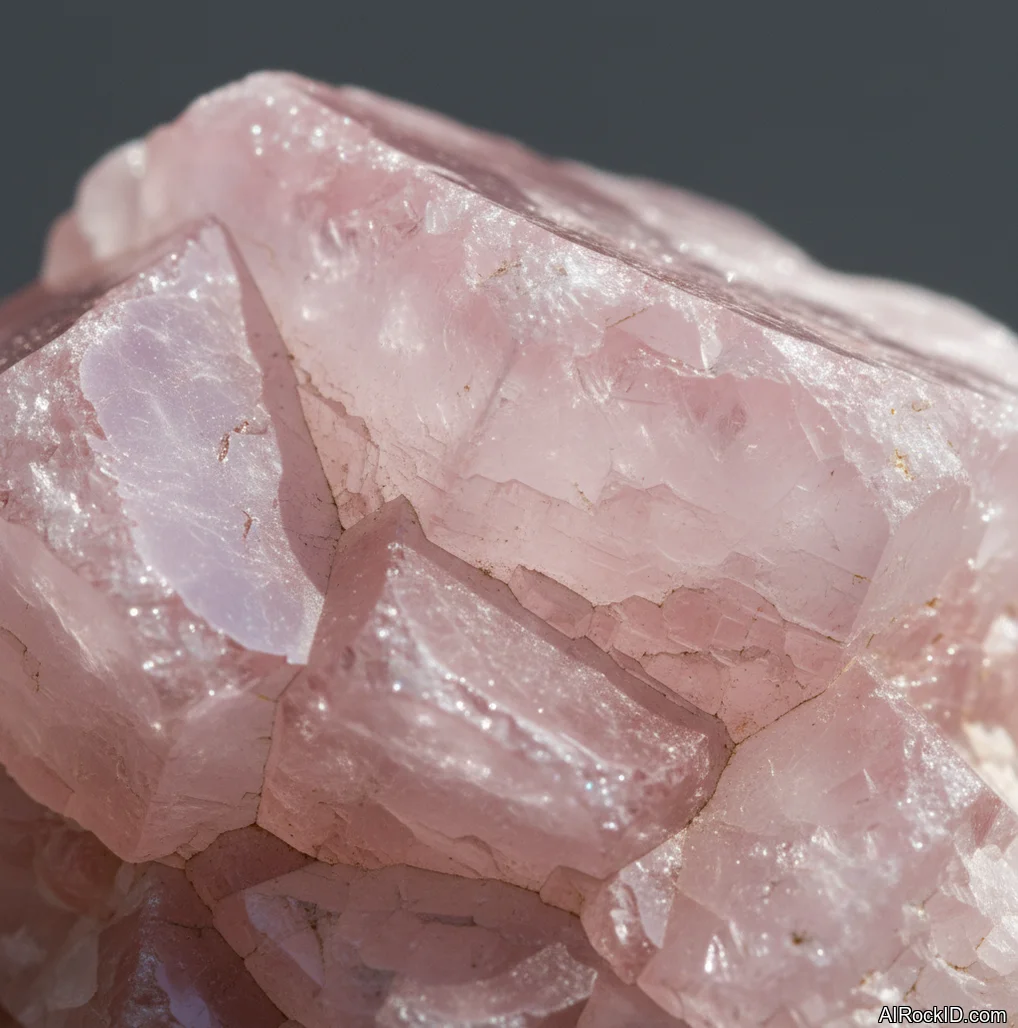
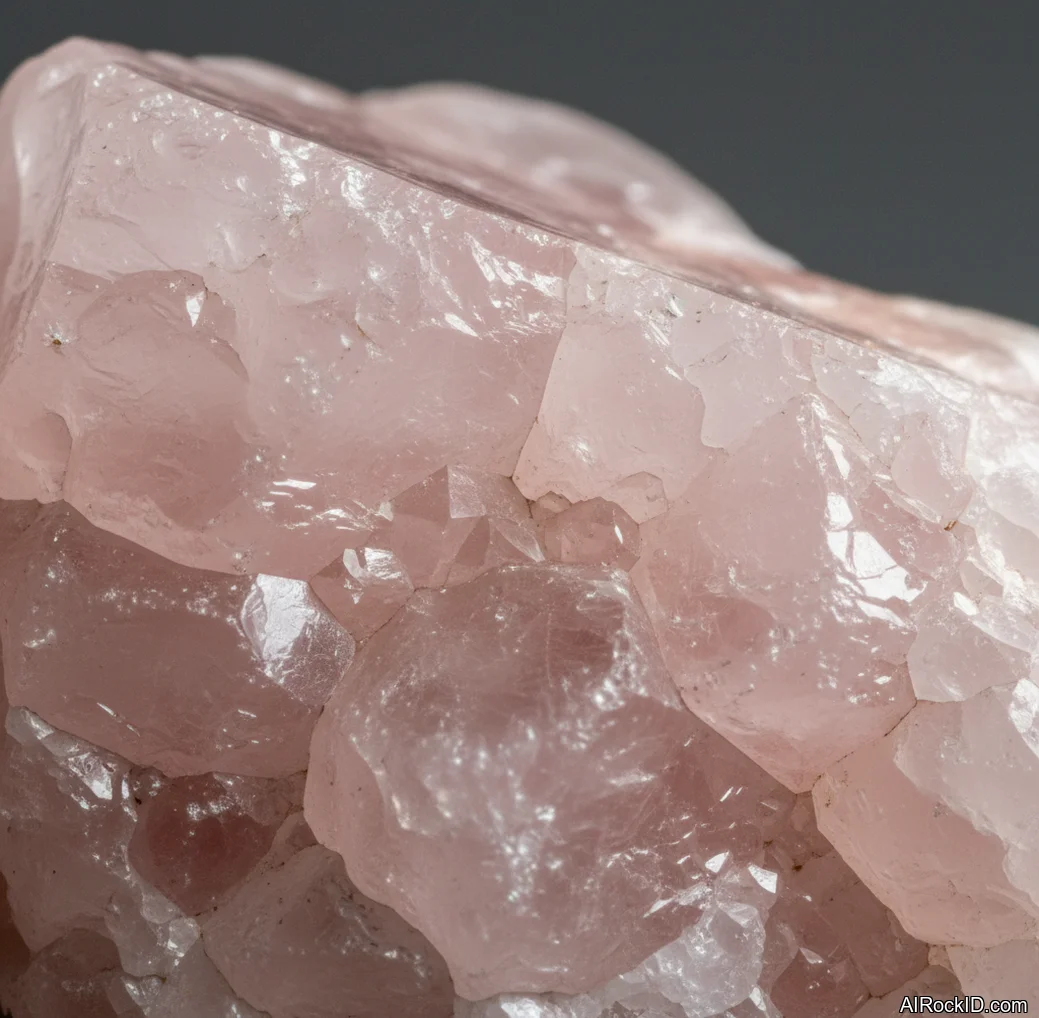
Strawberry Calcite is a pink to red variety of calcite (CaCO3), and it gets that color from manganese and/or iron staining and inclusions.
Pick up a chunk and the first thing you notice is how light it feels. Lighter than people expect, honestly. Calcite has this “chalky glass” vibe in the hand, and the strawberry stuff often comes with creamy white banding or these little cloudy spots that look like whipped cream trapped inside and left there to set.
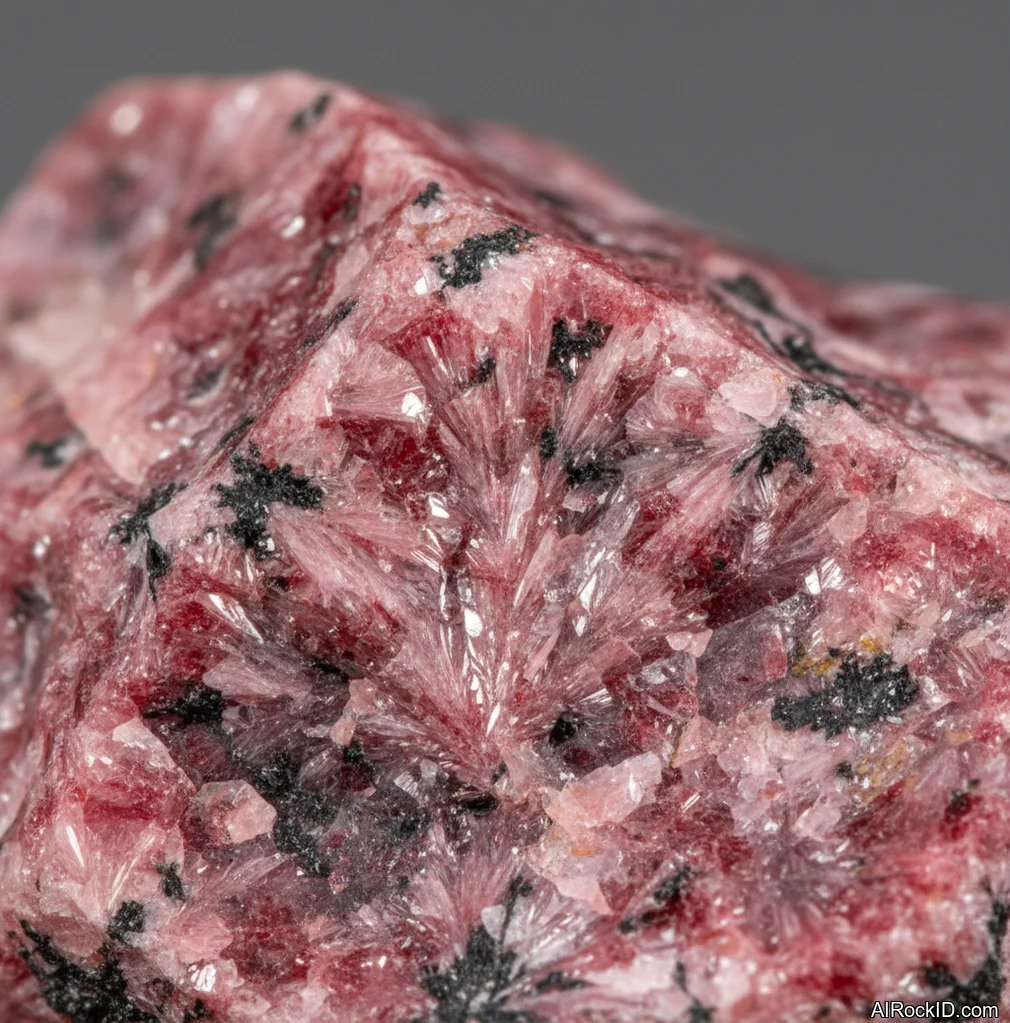
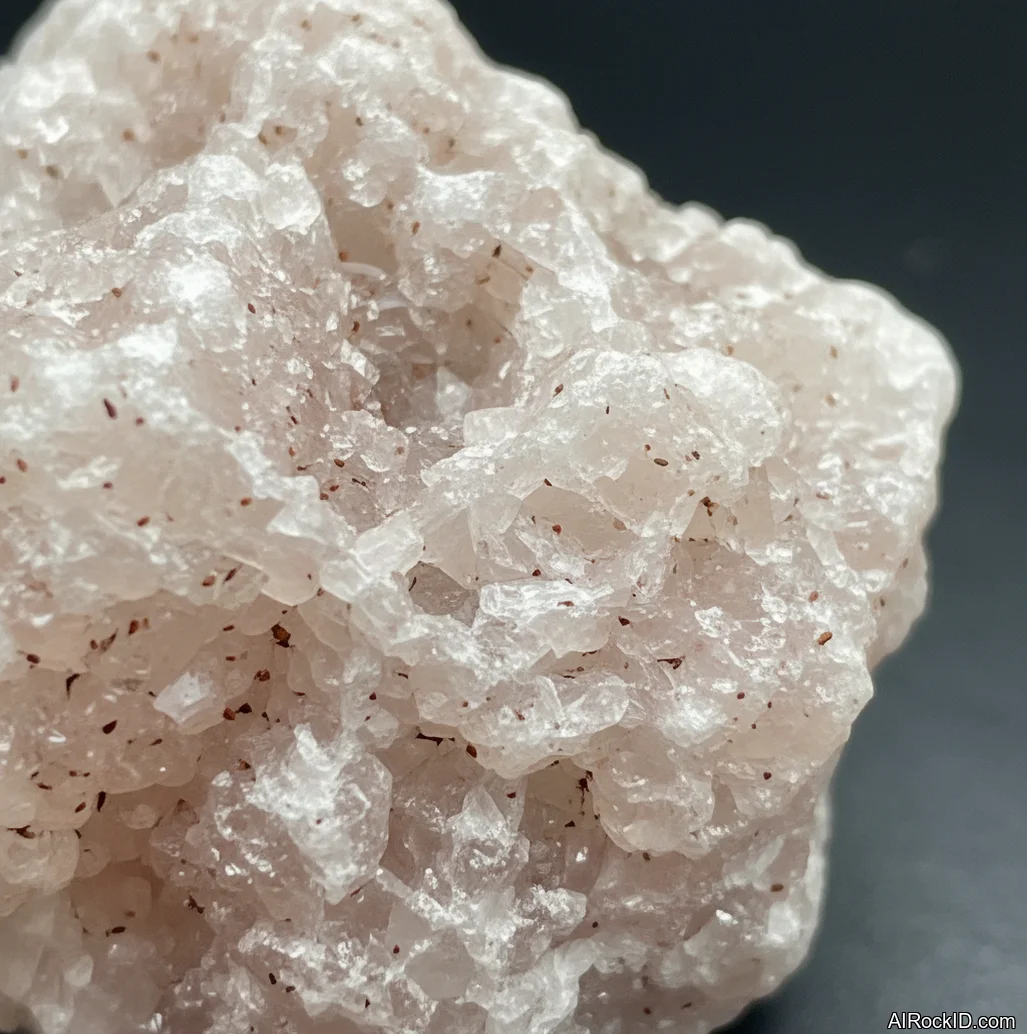
Some pieces read pale peach. Others go full raspberry. But the color’s usually not perfectly even, and that blotchy, streaky look is actually one of the giveaways.
Look, if you hold a polished palm stone under a lamp, you’ll catch that soft internal glow calcite does so well. And don’t get too rough with it. The edges bruise easier than quartz, and I’ve seen a fresh tumble pick up tiny dings just from clacking around in a bowl on a dealer’s table (it happens fast).
Origin & History
“Strawberry calcite” isn’t an official mineral species name. It’s basically a trade name that showed up in the modern crystal market for calcite that runs pink to red. You’ll also hear people call similar stuff “red calcite” or “pink calcite,” and sometimes “manganoan calcite,” depending on what’s actually driving the color.
Calcite itself has been described and named for ages, with the name linked to lime and calcination. And sure, collectors have always slapped colorful nicknames on different calcite varieties. But “strawberry calcite” as a label is really just a shop tag. It’s describing the look. Not a separate mineral with its own formal discovery story.
Where Is Strawberry Calcite Found?
Most strawberry calcite on the retail market shows up from Mexico and Peru, with other pink-red calcites coming from the USA and parts of Europe.
Formation
Most strawberry calcite forms the same basic way plain calcite does. Calcium-heavy water seeps through cracks and open pockets in the rock, then as the chemistry shifts it leaves calcite behind. Think thin veins you can trace with a fingertip, little cavities lined with crystals, or those layered sheets you see in limestone country. And in caves and other karst spots, it can build up in bands over time, which is why that “strawberries and cream” striping shows up so often.
So what makes it pink to red? Usually it’s trace manganese sitting in the calcite lattice, iron staining, or tiny oxide inclusions. Thing is, there’s a handy collector tell here: if the piece looks mottled, cloudy, or strongly banded when you tilt it under a light, you’re probably seeing calcite plus staining or mixed material, not a clean single crystal that’s evenly colored all the way through.
How to Identify Strawberry Calcite
Color: Pink, salmon, peach, or red calcite, often with white banding, cloudy zones, or speckly iron-oxide freckles.
Luster: Vitreous to pearly on fresh cleavage, often more waxy-looking when fully polished.
If you scratch it with a copper coin, it usually marks. If you scratch it with a steel nail, it definitely marks, because calcite is only Mohs 3. The real test is a tiny drop of weak acid on an inconspicuous spot: calcite fizzes, even vinegar can work if you give it a moment. And in-hand, real calcite tends to feel cool at first touch and then warms up, while some plastic or resin fakes feel warm right away.
Properties of Strawberry Calcite
Physical Properties
| Crystal System | Trigonal |
| Hardness (Mohs) | 3 (Soft (2-4)) |
| Density | 2.71 g/cm3 |
| Luster | Vitreous |
| Diaphaneity | Transparent to translucent |
| Fracture | Uneven |
| Streak | White |
| Magnetism | Non-magnetic |
| Colors | Pink, Red, Salmon, Peach, White |
Chemical Properties
| Classification | Carbonates |
| Formula | CaCO3 |
| Elements | Ca, C, O |
| Common Impurities | Mn, Fe, Mg, Sr |
Optical Properties
| Refractive Index | 1.486-1.658 |
| Birefringence | 0.172 |
| Pleochroism | None |
| Optical Character | Uniaxial |
Strawberry Calcite Health & Safety
Strawberry calcite is safe to handle and isn’t considered toxic. But if you’re cutting or grinding it, don’t breathe in the dust. Same rule as any stone. It gets in the air fast, and you can feel that gritty film in your nose and on your fingers (not fun).
Safety Tips
When you’re sanding or cutting, stick to wet methods and wear basic respiratory protection. Rock dust gets everywhere, so wash your hands afterward (even if they don’t look dirty).
Strawberry Calcite Value & Price
Price Range
Rough/Tumbled: $5 - $60 per piece
Prices bounce around depending on how saturated the color is, how clean the banding looks, and the size. And if you’ve got a raw single crystal with those sharp, flat cleavage faces you can feel along the edge (careful, they can be a bit bitey), it’ll usually cost more than the more common palm stones and towers.
Durability
Nondurable — Scratch resistance: Poor, Toughness: Fair
Calcite scratches easily and can dull or etch from acids, so it needs gentler handling than quartz.
How to Care for Strawberry Calcite
Use & Storage
Store it away from harder stones, because quartz will scratch it just from rubbing in a pouch. I keep calcite in its own little box or wrapped in a soft cloth.
Cleaning
1) Rinse quickly with lukewarm water and a drop of mild soap. 2) Wipe with a soft cloth or a very soft toothbrush for creases. 3) Dry right away and don’t soak it for long.
Cleanse & Charge
For non-water methods, smoke, sound, or a quick rest on a dry selenite plate are common choices. Skip salt bowls and anything acidic, since calcite can pit or dull.
Placement
Set it on a dresser, shelf, or nightstand where it won’t get knocked around. Compared to quartz towers, calcite towers chip easier if they tip over.
Caution
Skip vinegar, citrus cleaners, and any bathroom product with acids in it, because that stuff can bite into the polish and leave dull, etched spots. And don’t run it through an ultrasonic or steam cleaner either.
Works Well With
Strawberry Calcite Meaning & Healing Properties
Strawberry calcite feels “soft” the second you pick it up. Not in a mystical way. It’s the rounded polish, that gentle pink tone, and the way calcite kind of glows instead of throwing sharp sparkles back at you. When I’m sorting trays at a show with those shallow black foam inserts, it’s one of the only pink stones that doesn’t read as flashy under the harsh table lights. It’s quiet. Almost sleepy.
People who lean on crystals for emotional support usually connect pink-red calcite with calming the nervous system, easing tension, and being a bit kinder to yourself when the week’s chewing you up. I’ll be blunt: it’s not medicine. It won’t replace therapy, sleep, or an actual plan you’ll follow. But as a physical reminder sitting on your desk, it does what it’s supposed to do. You pick it up, feel that cool, slick surface (sometimes it warms up fast in your palm), and you take a breath. That’s the whole “how it works” for a lot of people, honestly.
But look, there’s a real limitation here. If you’re someone who wants a daily pocket stone rattling around with keys and coins, calcite gets trashed fast. I’ve watched strawberry calcite palm stones turn cloudy and pick up little scuffs in about a month of pocket use, especially around the edges where the polish starts to dull. So keep it as a home stone. Or set it somewhere you’ll touch it on purpose, not somewhere it’ll get beat up. Why set it up to fail?
Identify Any Crystal Instantly
Snap a photo and get properties, value, care instructions, and healing meanings in seconds.