Thomsanite
What Is Thomsanite?
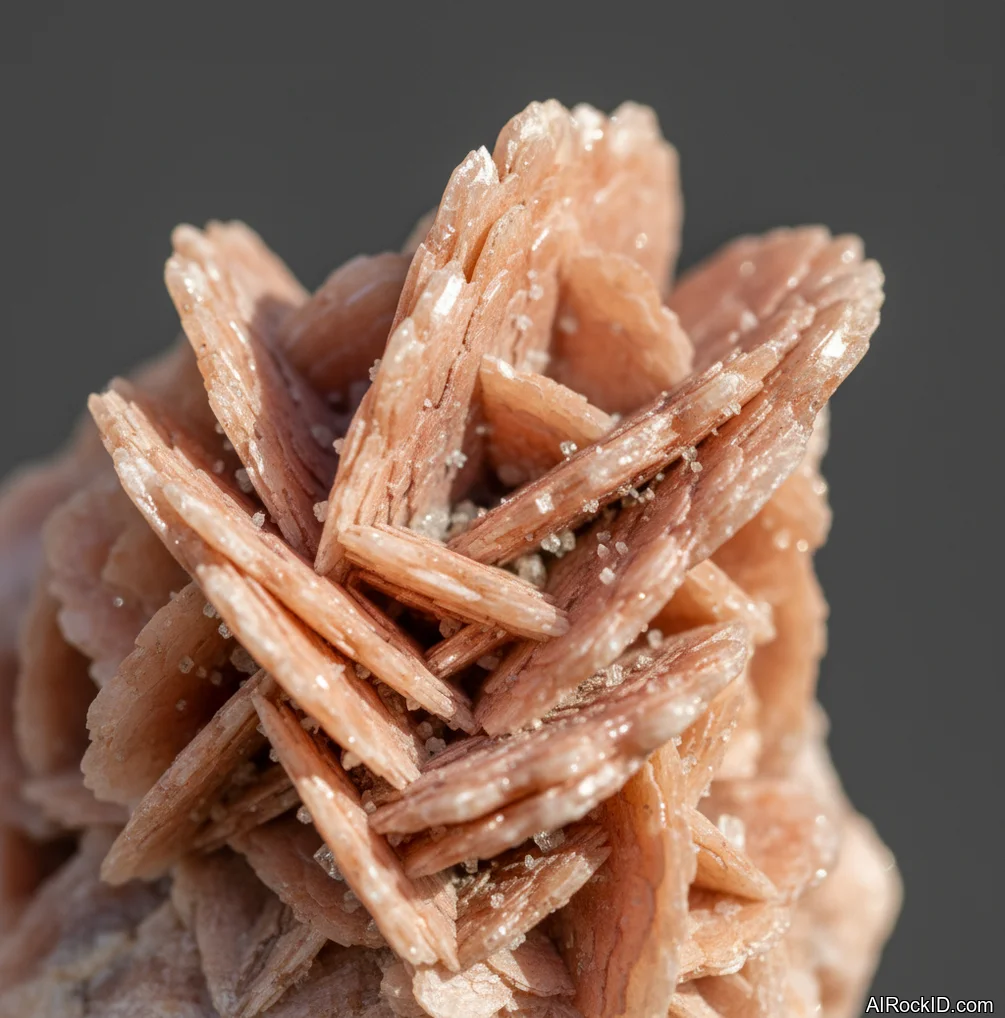
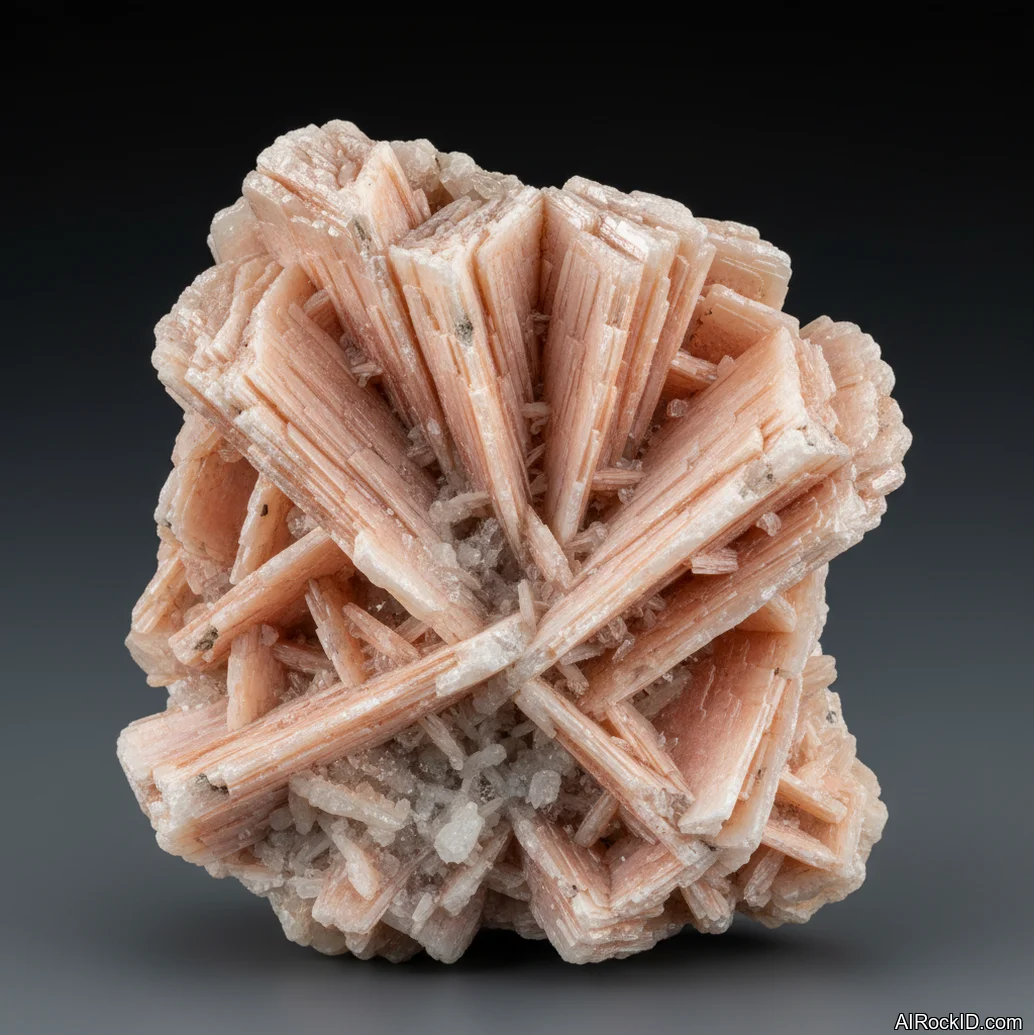
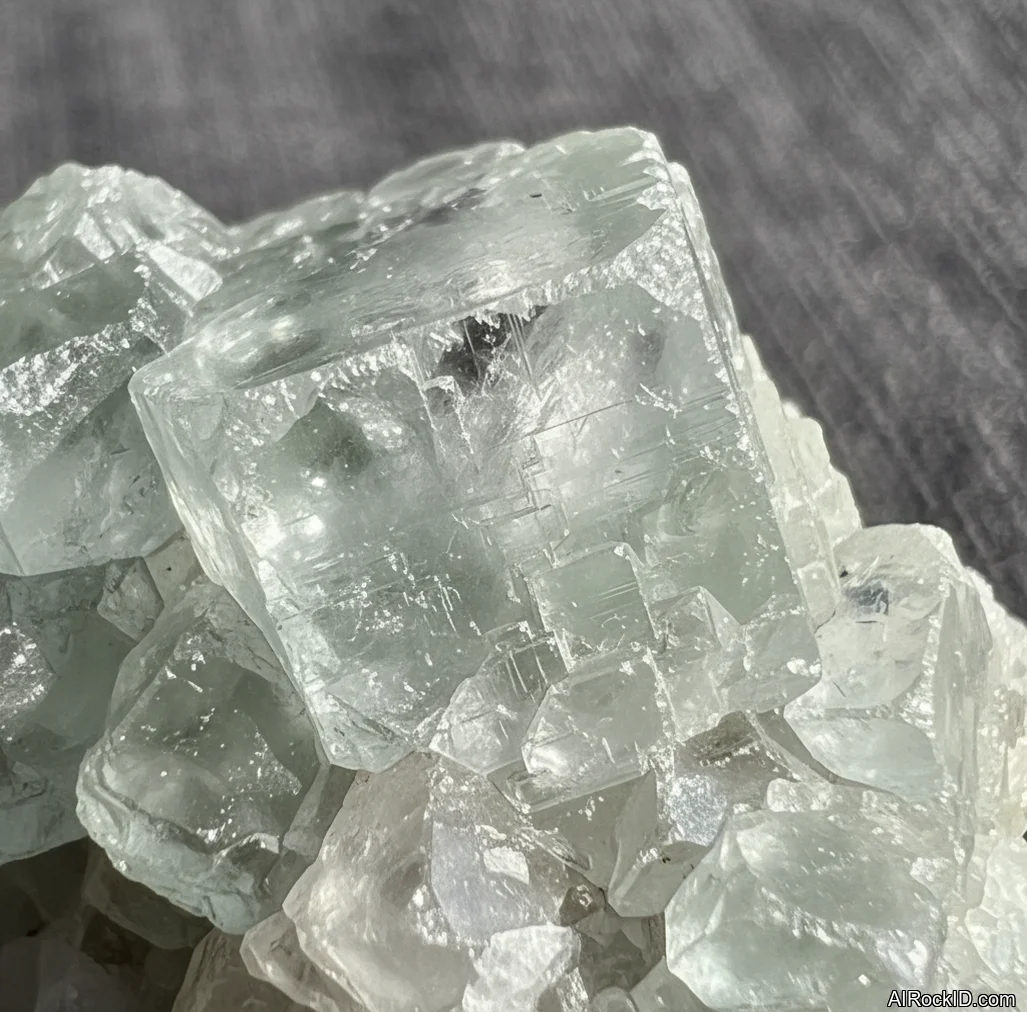
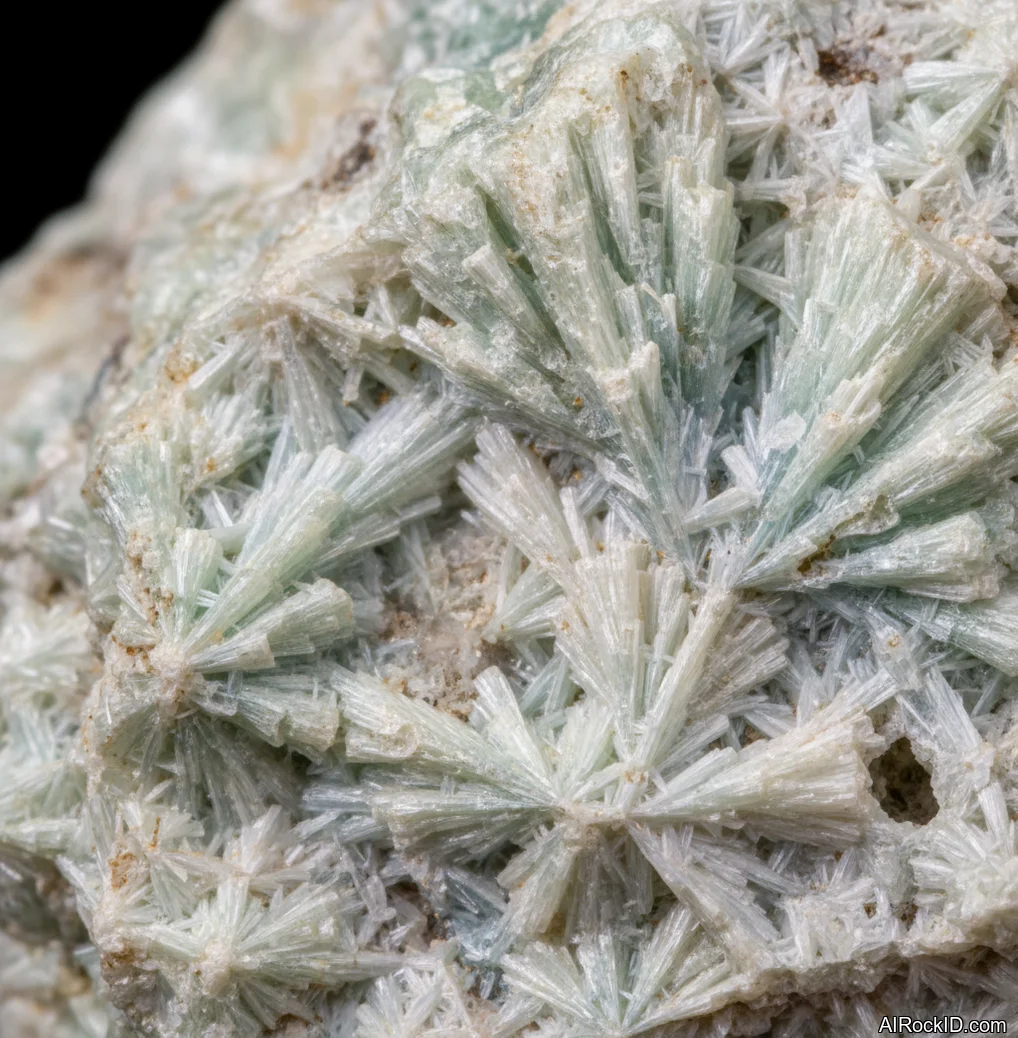
Thomsanite (spelled more correctly as thomsonite) is a zeolite mineral. It’s a hydrous calcium-sodium aluminum silicate, and it usually shows up as radiating, fibrous aggregates growing inside basalt cavities.
Grab a decent Lake Superior pebble and you’ll notice something right away: it’s heavier than it looks. It sits there, solid in your palm, not that “light rock” light you get with some other zeolites. The really good ones have a tight bullseye look, mostly white to gray, with pink, peach, or brick-red bands that honestly look like someone dragged a pencil through them. And once it’s polished? It can jump from waxy to glassy just by tipping it under the light.
But here’s the thing. A lot of what’s sold as “thomsonite” is actually a mix, thomsonite plus other zeolites, calcite, sometimes chalcedony, all jammed into the same little cavity. That doesn’t mean it’s fake. That’s just how it formed. Still, it means two stones with the same label can feel totally different in your hand, from tough, beach-tumbled pebbles to crumbly vug material that’ll shed tiny fibers if you handle it rough (ask me how I know).
Origin & History
Thomsonite got its first official description in 1820, based on material from Scotland, and it was named after the Scottish chemist Thomas Thomson. If you’ve ever thumbed through those old mineral books with the stiff, slightly yellowed pages (the kind that smell a bit like dust and glue), you’ll notice the name shows up early. Zeolites were a big deal once people figured out they could swap ions and keep water locked into their structure.
But collectors around the Great Lakes basically gave it a second act. Once the Lake Superior shoreline started coughing up those naturally tumbled pebbles with all those wild patterns, “thomsonite” stopped being just a cabinet-specimen label. It turned into a lapidary and rockhound word, too.
Where Is Thomsanite Found?
It turns up in basalt and related volcanic rocks, especially where old lava flows cooled with gas bubbles that later filled with zeolites.
Formation
Most thomsonite shows up late, after the lava’s already cooled and turned solid. The basalt ends up full of vesicles, which are basically little frozen gas bubbles. Then groundwater starts threading its way through the rock, hauling calcium, sodium, aluminum, and silica along for the ride. Given enough time, those empty pockets get coated and then packed with zeolites, usually in a sequence. Thomsonite might grow as radiating sprays, fibrous balls, or chunky dense masses that you can polish up later.
But compared to something like quartz, you almost never get those tidy, pointy, terminated crystals that look good sitting on a shelf. It’s more of a “texture mineral.” Crack one open and stare at the fresh break and you’ll catch the radiating fibers, like a tiny fireworks pop frozen in place. And if you’ve ever actually cut a piece (wet saw humming, that gritty slurry building up), you know the fun part is how the same fibers suddenly read as sharp rings when your slice passes through the nodule at just the right spot. Why does that happen? Because you finally hit the geometry dead-on.
How to Identify Thomsanite
Color: Most material is white, gray, or cream with peach, pink, red, or green banding depending on trace elements and what else filled the cavity. Polished pebbles can show bullseye rings, patchy spots, or cloud-like swirls.
Luster: Luster ranges from vitreous to waxy, especially on polished surfaces.
Pick up a piece and tilt it under a strong light. The radiating structure can “flash” a little as the fibers catch and lose the glare. If you scratch it with a steel nail, it usually won’t gouge easily, but it also won’t laugh off quartz. And for the Lake Superior stuff, the outside is often a beat-up basalt rind with a smooth, waterworn feel, while the polished face shows tight rings that don’t look printed or painted.
Properties of Thomsanite
Physical Properties
| Crystal System | Orthorhombic |
| Hardness (Mohs) | 5-5.5 (Medium (4-6)) |
| Density | 2.30-2.40 |
| Luster | Vitreous |
| Diaphaneity | Translucent to opaque |
| Fracture | Uneven |
| Streak | White |
| Magnetism | Non-magnetic |
| Colors | White, Gray, Cream, Pink, Peach, Red, Green |
Chemical Properties
| Classification | Silicates (Zeolite) |
| Formula | NaCa2Al5Si5O20·6H2O |
| Elements | Na, Ca, Al, Si, O, H |
| Common Impurities | Fe, Mn, K, Mg |
Optical Properties
| Refractive Index | 1.512-1.534 |
| Birefringence | 0.022 |
| Pleochroism | None |
| Optical Character | Biaxial |
Thomsanite Health & Safety
Thomsonite isn’t considered toxic, so it’s fine to handle with your bare hands. But if you’re cutting or grinding it, treat it like any other rock: that gritty dust gets everywhere, sticks to your fingers, and you don’t want to breathe it in, so use normal rock dust precautions.
Safety Tips
If you’re going to do lapidary work on it, keep a steady trickle of water going and put on eye protection. And don’t mess around with the dry slurry dust after it dries, seriously, you don’t want to be breathing that stuff in.
Thomsanite Value & Price
Price Range
Rough/Tumbled: $5 - $80 per piece
Cut/Polished: $2 - $10 per carat
Price usually tracks a few things: how tight the pattern is, how hard the colors punch, and if you’re looking at a polished Lake Superior pebble or that crumbly vug stuff that wants to shed grit the second you touch it. Clean, symmetrical bullseyes and bigger cabochon-grade nodules? Those go quick.
Durability
Moderate — Scratch resistance: Fair, Toughness: Fair
It’s generally stable as a specimen, but fibrous aggregates can chip on edges and don’t love rough handling in jewelry.
How to Care for Thomsanite
Use & Storage
Keep polished pieces in a small pouch or a tray with dividers so harder stones don’t ding the shine. Raw vug material does better in a box where it won’t rattle around.
Cleaning
1) Rinse with lukewarm water. 2) Use a soft toothbrush with a drop of mild soap to lift dirt from pits or basalt rind. 3) Rinse again and pat dry; don’t bake it on a heater.
Cleanse & Charge
If you do energy-style care, a quick rinse and a night on a windowsill out of harsh midday sun is plenty. Avoid saltwater if the piece has delicate, fibrous pockets or attached calcite.
Placement
I like it where side light hits it, like a shelf near a lamp, because the rings and fibers show up way better than under flat overhead lighting. If it’s a beach pebble, it’s also a nice “pocket stone” size, just don’t mix it with quartz points in the same pocket.
Caution
Skip ultrasonic cleaners and steam cleaning, especially if you’ve got porous or vuggy thomsonite that’s sitting with other zeolites. Those little pits and pockets love to hang onto water and grit (and you’ll hear it when the cab starts to complain). And don’t assume every “thomsonite agate” cab is pure thomsonite. A lot of them are a mix. So handle it like a mixed material, not a single, uniform stone.
Works Well With
Thomsanite Meaning & Healing Properties
Look at thomsanite and the first thing that hits you is how organized it feels. Rings. Spokes. Those little radiating bursts that look like someone drew them on purpose. When I’m sorting flats at a show and my brain’s basically toast, I’ll catch myself zoning out on one for a full minute because it’s calming in a plain, no-effort way.
In crystal-healing circles, thomsanite usually gets lumped in with the “steadying” stones. And yeah, that lines up with how it acts for me as something you actually hold: it’s cool when you first pick it up, it’s got a little weight so it doesn’t feel flimsy, and the polish has this almost waxy slide to it, like it’s nudging you to slow down and just rub your thumb over the surface. I’ve literally handed a small pebble to anxious customers at the shop and watched their shoulders drop a notch just because they had something smooth and patterned to lock onto.
But none of that is medical care, and I don’t pretend it is. I treat it more like a grounding reminder that can live on your desk (or in your pocket, if you’re that person). Thing is, buying it online can be a gamble because photos don’t always show cracks or soft spots. In person you can tell fast. You can feel if the polish is tight and solid, or if it has those tiny open areas that snag your thumb a little. That’s the difference between a stone you’ll actually reach for and one that just sits there.
Identify Any Crystal Instantly
Snap a photo and get properties, value, care instructions, and healing meanings in seconds.