Blue Aragonite
What Is Blue Aragonite?
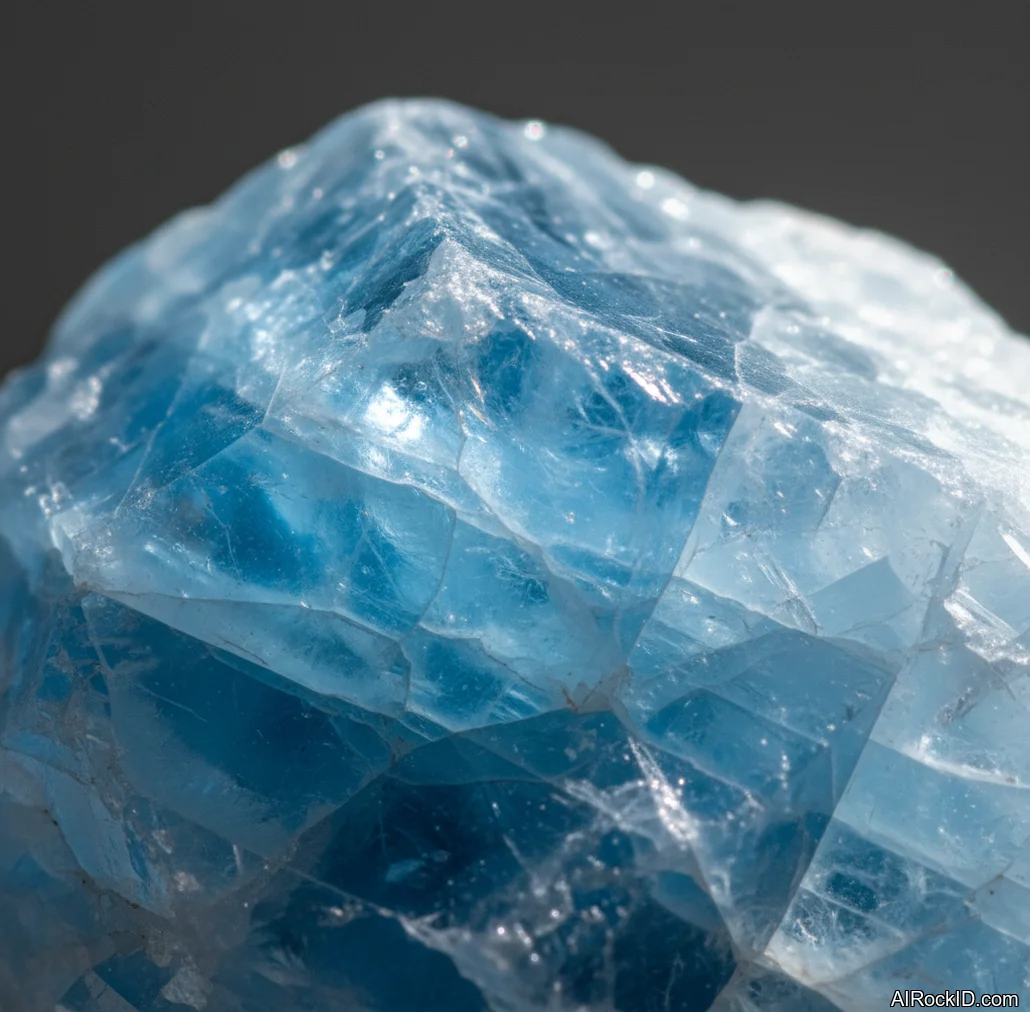
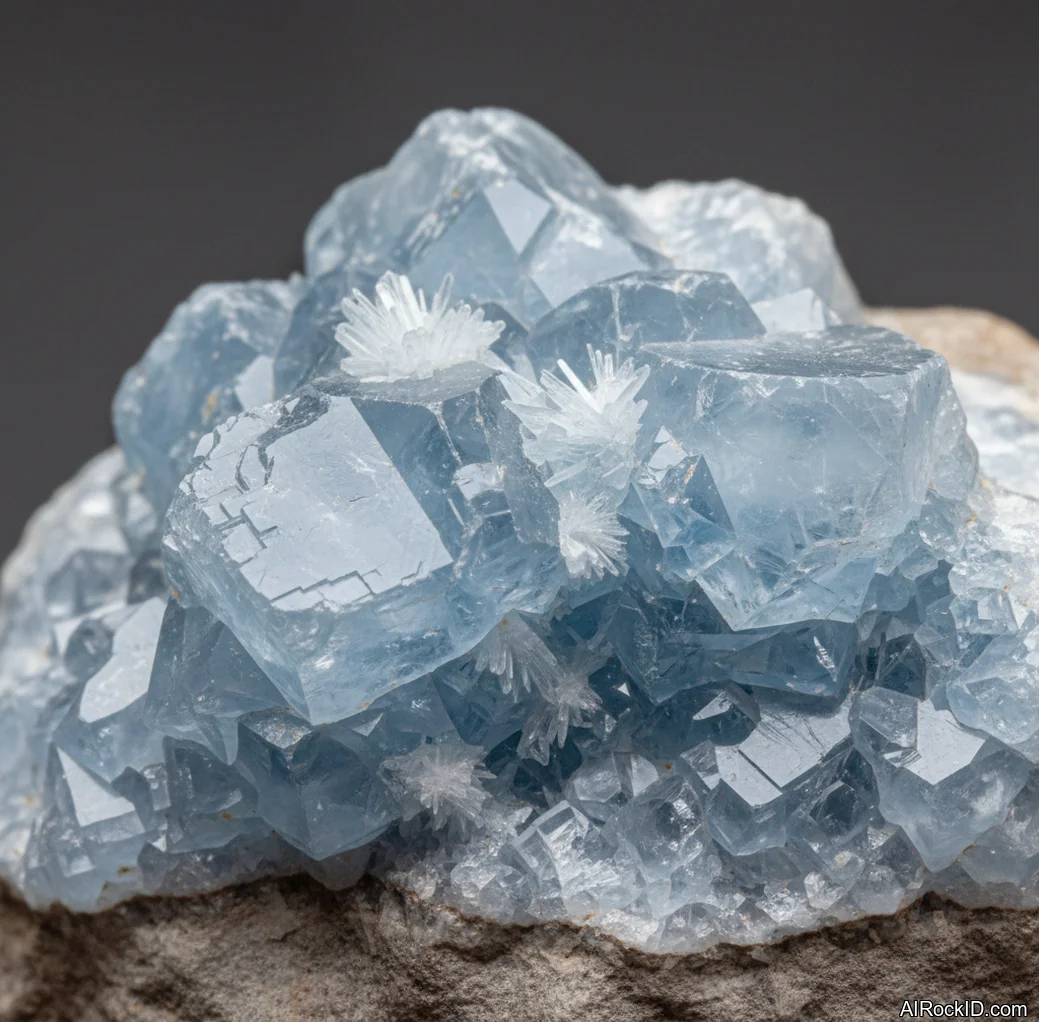
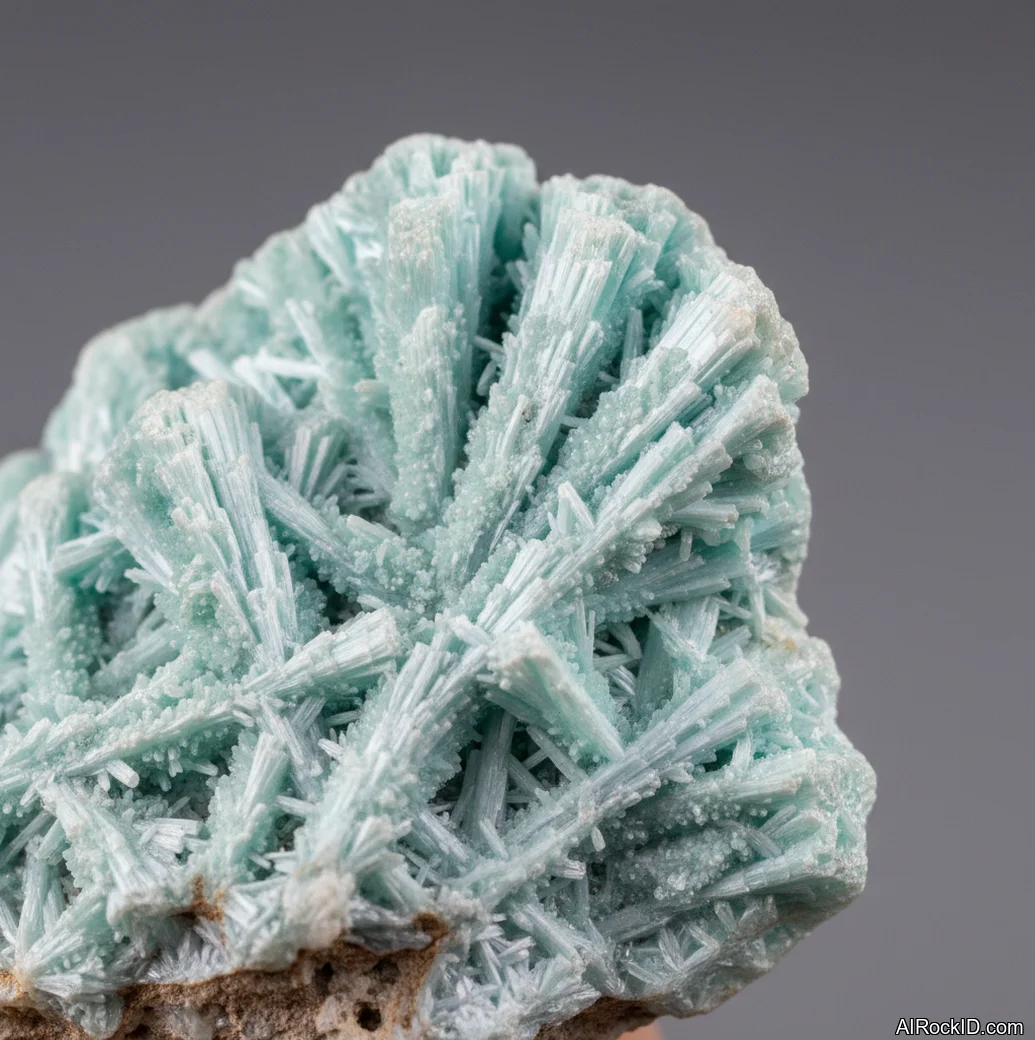
Blue Aragonite is just aragonite (calcium carbonate, CaCO3) that happens to be blue. And in real life it almost never shows up as those tidy, pointy “textbook” crystals. What you usually get are chunky nodules, botryoidal blobs, coral-like sprays, the kind that look like they grew in a hurry. The color? Somewhere between sea-glass blue and that milky aqua shade you see in cloudy shallow water.
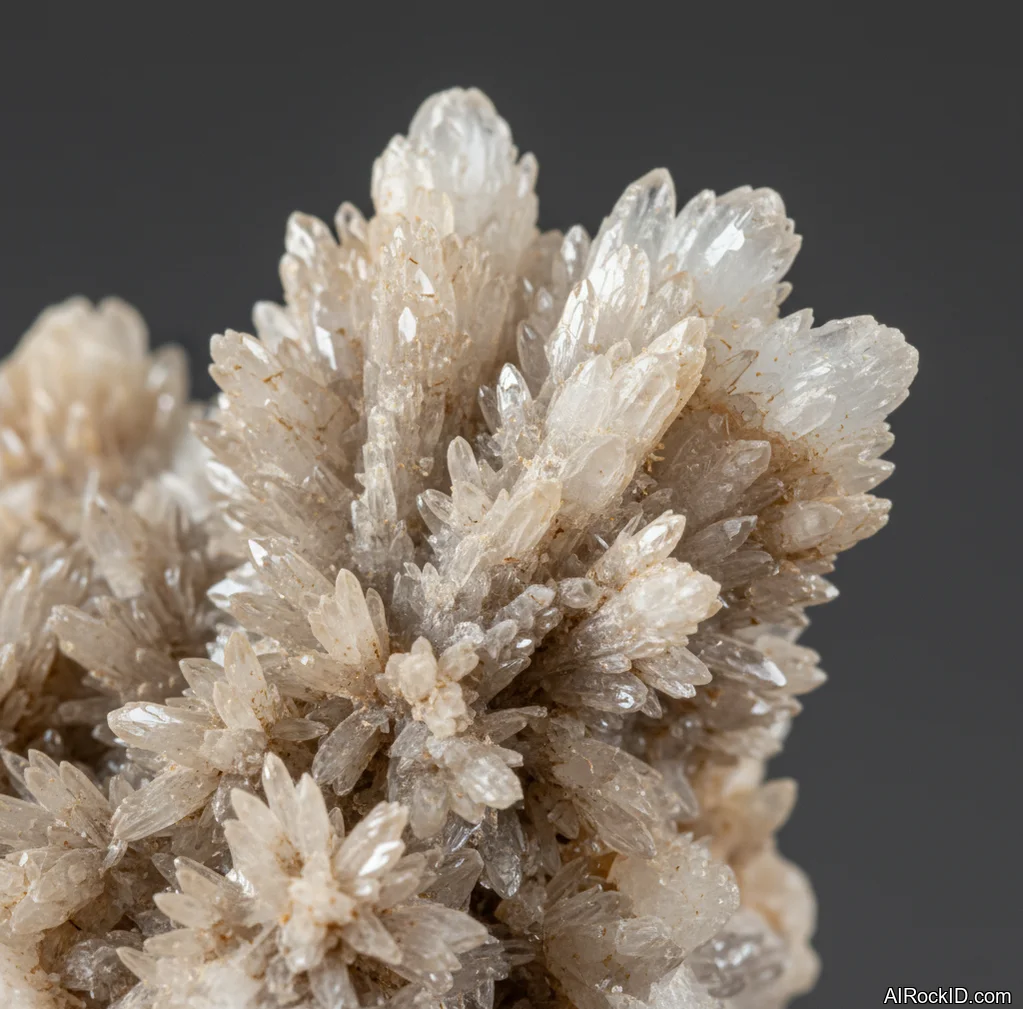
Grab a palm stone and the first thing you notice is the temperature. It feels cool against your skin for a second, then it heats up fast in your hand. When it’s polished, it has this slightly “buttery” drag under your thumb, not that slick glassy feel quartz has. Raw pieces give it away even more. Tilt it in the light and you can spot that radiating, needle-fibrous texture aragonite likes to form, like tiny frozen fireworks (you can almost see the needles fanning out).
But here’s the catch: people throw the name around pretty loosely. A lot of what’s sold as “Caribbean blue” is aragonite tangled up with calcite plus other carbonate material. That doesn’t mean it’s fake. It just means you’re buying a natural mix, and the look can swing from solid blue to blue with big white patches, or even tan matrix mixed in.
Origin & History
Aragonite got its formal description in 1797, thanks to the German geologist Abraham Gottlob Werner. And the name comes straight from Aragón, Spain, since that’s where people were pulling the classic reference specimens.
Thing is, “blue aragonite” isn’t a separate mineral name in the scientific sense. It’s just a trade and collector tag for aragonite that takes on a blue tint because of impurities and the way it grew.
Why does aragonite matter historically? Because it’s one of the clearest, easiest-to-grasp examples of polymorphism. Same chemistry as calcite, different structure. If you’ve ever held both, you know what I mean: calcite’s cleavage faces can flash like little mirrors when you tilt them under a lamp, but a lot of aragonite looks more fibrous and radiating, like tiny frozen sprays. You don’t even need a textbook. Your hands tell you.
Where Is Blue Aragonite Found?
Blue material in the market is commonly sourced from Morocco and sometimes from carbonate cave and spring deposits elsewhere. Classic aragonite locality history points back to Aragón, Spain.
Formation
Out in the real world, aragonite tends to pop up anywhere calcium-rich water is on the move and the chemistry flips quickly. Caves are a big one. Hot springs too. You’ll also catch it in limestone fractures, plus spots where evaporation kicks in or CO2 bubbles off and the carbonates just drop out of solution. So you end up seeing it as crusts, stalactite-style growths, or those radial sprays that look like little fireworks frozen in place.
But next to calcite, aragonite is the less stable polymorph at Earth’s surface, which means it’s picky about conditions and it can change on you over time. I’ve split nodules where the outside was that soft blue aragonite (kind of chalky under a fingernail), and the inside shifted to whiter zones that look a lot more like calcite. Same chemical family, different structure. And nature doesn’t always keep the lines clean, does it?
How to Identify Blue Aragonite
Color: Usually pale to medium sky-blue, aqua, or blue-green, often with white calcite patches or tan limestone matrix. Color is commonly cloudy rather than transparent.
Luster: Vitreous to silky on crystal surfaces, and waxy to dull when massive or tumbled.
If you scratch it with a copper coin or a steel nail, it’ll mark more easily than most “blue stones” people confuse it with. Look closely at broken spots: aragonite often shows radiating, fibrous growth like tiny needles packed together. The real test is acid. A drop of dilute vinegar or weak HCl will fizz because it’s a carbonate, but don’t do this on a polished piece you care about.
Properties of Blue Aragonite
Physical Properties
| Crystal System | Orthorhombic |
| Hardness (Mohs) | 3.5-4 (Soft (2-4)) |
| Density | 2.93-2.95 g/cm3 |
| Luster | Vitreous |
| Diaphaneity | Translucent to opaque |
| Fracture | Uneven |
| Streak | White |
| Magnetism | Non-magnetic |
| Colors | Pale blue, Sky blue, Aqua, Blue-green, White |
Chemical Properties
| Classification | Carbonates |
| Formula | CaCO3 |
| Elements | Ca, C, O |
| Common Impurities | Sr, Ba, Pb, Fe, Mn, Cu |
Optical Properties
| Refractive Index | 1.530-1.686 |
| Birefringence | 0.156 |
| Pleochroism | None |
| Optical Character | Biaxial |
Blue Aragonite Health & Safety
It’s usually fine to handle. But it’s pretty soft, and if you scrape it with a knife edge or grind it down, you’ll feel that gritty dust start to shed. Don’t let it touch acids, either, because it’ll etch and fizz like other carbonates. Why risk it?
Safety Tips
If you’re going to cut or sand it, put on a dust mask. And when that wet slurry starts building up, rinse it off while it’s still wet, instead of letting it dry out and turn into powder (which ends up floating everywhere, right?).
Blue Aragonite Value & Price
Price Range
Rough/Tumbled: $5 - $60 per piece
Price jumps when the blue is cleaner, the fibers look tighter (kind of like packed threads up close), and the polish comes out smooth without those annoying little pits you can feel if you run a fingernail over it. And yeah, the big display clusters cost more, but most of what you’ll actually see for sale are palm stones and chunks.
Durability
Nondurable — Scratch resistance: Fair, Toughness: Fair
It’s a soft carbonate that can scratch, chip, and react to acids, so it doesn’t love rough daily wear.
How to Care for Blue Aragonite
Use & Storage
Store it in a pouch or a compartmented box so it doesn’t get scratched by quartz or agate. And keep it away from anything acidic, even lemon-scented cleaners.
Cleaning
1) Rinse quickly with lukewarm water and a tiny bit of mild soap. 2) Use a soft toothbrush only on sturdy, massive pieces, not delicate sprays. 3) Pat dry and let it fully air-dry before putting it back in a closed box.
Cleanse & Charge
Smoke, sound, or a quick pass on a selenite plate works without risking surface damage. I skip salt water on aragonite even if a seller says it’s fine, because it can dull the polish over time.
Placement
A shelf is better than a pocket for this one. If it’s in a sunny window, watch for fading and a “chalkier” look over months.
Caution
Don’t use ultrasonic cleaners or steam cleaners on it. Skip acids and any acidic sprays too. And don’t wear Blue Aragonite in rings or bracelets, since those spots get banged up all day on doorknobs, countertops, and basically everything else.
Works Well With
Blue Aragonite Meaning & Healing Properties
Blue Aragonite hits you as a calming stone right away, kind of like how painting a room a cooler shade can drop the volume in your head. In crystal shop chatter, it’s the one people pick up when they want something gentle, not sharp or buzzy. And the feel lines up with that. A polished piece slides in your hand almost like satin, and it doesn’t have that hard, glassy snap quartz gets when you tap it.
Most people connect it with soothing emotions, easing tension, and helping with communication, especially when someone’s wound up and their thoughts are ricocheting all over. But look, I’m going to say it straight: that’s spiritual practice and personal experience, not medicine. If somebody’s dealing with serious anxiety or sleep issues, crystals can be a comfort object and a little cue to slow down (and breathe, honestly), but they’re not a replacement for professional help.
Thing is, from selling and trading it, I’ve noticed people either fall for the milkiness or they can’t stand it. The cloudy blue reads “quiet,” like a foggy sky that never really clears. But if you’re chasing crisp, high-clarity sparkle, Blue Aragonite is the wrong aisle. It’s more of a texture stone. Sit with a raw piece under a desk lamp and you’ll catch those silky fibers flashing in thin bands when you tilt it, then it just goes flat again. Weirdly satisfying.
Identify Any Crystal Instantly
Snap a photo and get properties, value, care instructions, and healing meanings in seconds.