Blue Aventurine
What Is Blue Aventurine?
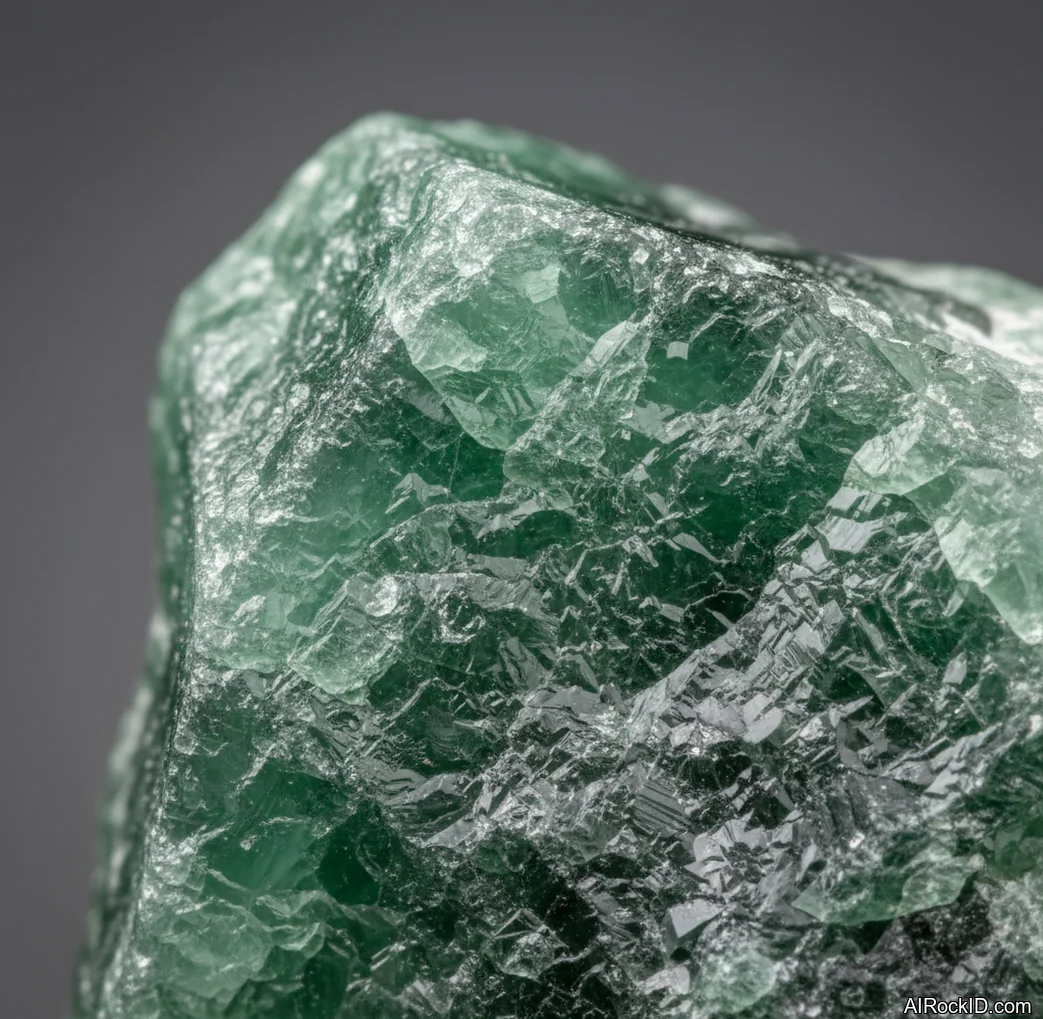
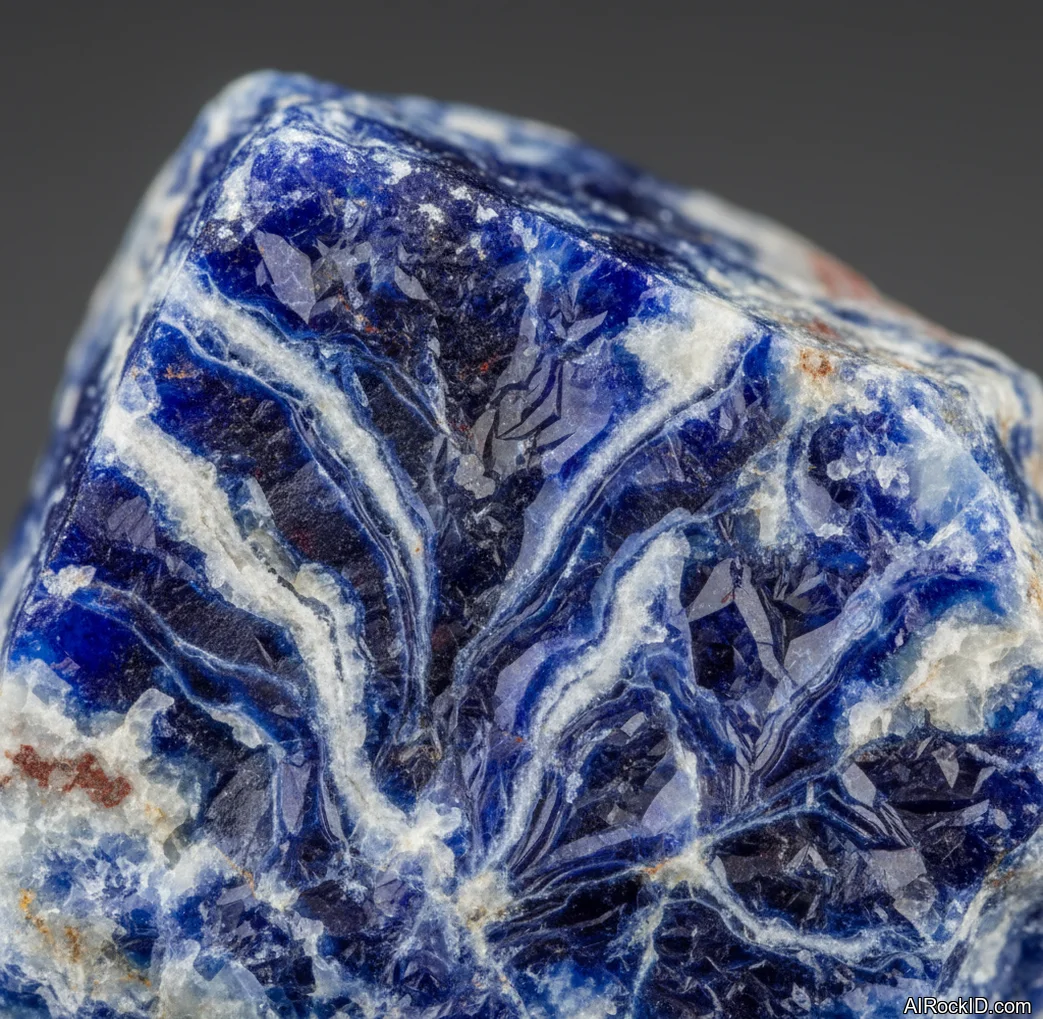
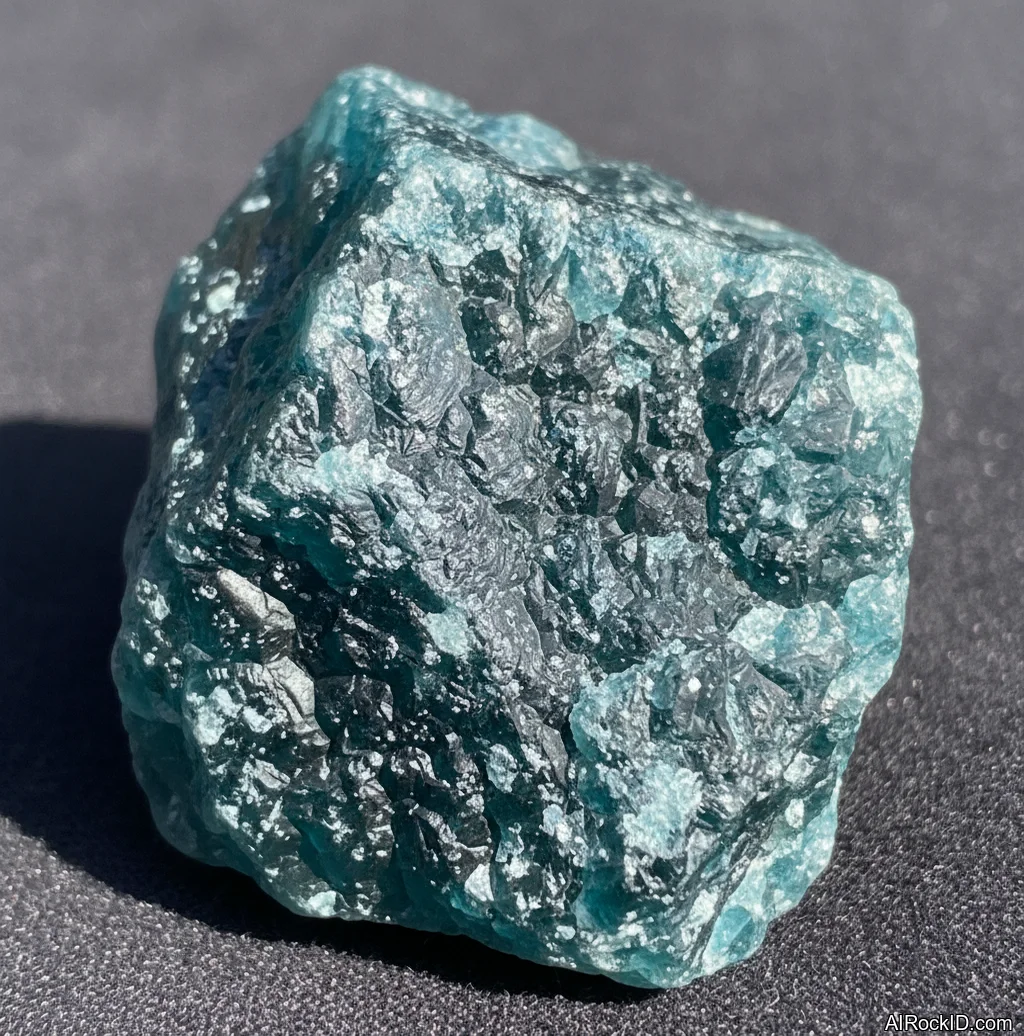
Blue aventurine is a blue-toned variety of quartz (SiO2), and what sets it apart is aventurescence: that soft glitter you get from tiny reflective inclusions.
Pick up a tumbled piece and you notice the quartz heft immediately. Not heavy like hematite, but still solid. Cool at first touch. And it sits in your palm in this kind of plain, no-nonsense way. The blue usually isn’t a clean sapphire, either. It leans more denim, gray-blue, or slate, and you’ll often see pale, cloudy patches that look like they’re suspended inside the stone.
Put it under a desk lamp and really look. You’ll catch the shimmer. It’s not a sharp mirror flash. It’s more like a fine dusting of pinpricks that blink in and out as you slowly roll it between your fingers (do you see it pop when you tilt it just a little?). But here’s the market reality: a lot of what’s sold as blue aventurine is just blue quartzite or dyed material. Real aventurescence is the whole point, so if it looks flat and dead under light, I pass.
Origin & History
Aventurine as a name traces back to the Italian “a ventura,” basically meaning “by chance.” It was first tied to aventurine glass, or goldstone, which happened after copper filings got into molten glass and left that glittery, spangled look once it cooled (you can almost picture those tiny copper flecks catching the light when you turn it). And the stone ended up borrowing the same name because the shimmer looks similar, even though one is man-made glass and the other is quartz with inclusions.
Quartz itself has been described and classified since the early days of mineralogy. But “blue aventurine” is really more of a trade label than a formally defined mineral species. Most dealers use it to mean quartz with a blue tone plus visible aventurescence, usually from fine inclusions, like fuchsite in green material, or other mica or mineral platelets in the blue-gray stuff. Why call it that if it isn’t official? Because the look sells, and the name stuck.
Where Is Blue Aventurine Found?
Most blue aventurine in shops is cut from massive quartz-bearing rock, with a lot of commercial material coming out of India and Brazil.
Formation
Most blue aventurine shows up the same basic way a lot of massive quartz does. Silica-rich fluids push through cracks and weak zones in metamorphic or igneous host rock, then they cool down and the quartz “freezes” in place. The aventurine effect is the extra twist: tiny, plate-like minerals get caught in the quartz either while it’s growing or later on during recrystallization.
And compared to those clear quartz points people like to photograph, this stuff is usually thick, blocky, massive material. No sharp terminations. Think more like seams, lenses, and big quartz-heavy zones that end up getting cut on a saw into slabs (you can picture that wet, gritty slurry on the blade). The inclusions are the whole game. If the platelets are too sparse, it just reads as dull blue-gray quartz. But if they’re too coarse, it can come out looking gritty and kind of uneven even after a polish. Why? Because those bigger flakes don’t blend in, they telegraph right through the surface.
How to Identify Blue Aventurine
Color: Typically denim to slate blue with milky white or gray cloudiness; color is often uneven rather than uniform. The blue tone can lean gray, especially in lower grade rough.
Luster: Vitreous when polished, with a subtle sparkly aventurescence under direct light.
Pick up the stone and tilt it under a single bright light source. Real blue aventurine throws tiny, scattered glitter points that move as the angle changes, not a uniform shine. If you scratch it with a steel nail, it shouldn’t mark easily, but it will scratch glass. That quick “quartz check” weeds out a lot of softer lookalikes. The problem with dyed material is it can look too even, especially in drilled beads. If the color pools in cracks or around drill holes, that’s a red flag.
Properties of Blue Aventurine
Physical Properties
| Crystal System | Trigonal |
| Hardness (Mohs) | 6.5-7 (Hard (6-7.5)) |
| Density | 2.65 g/cm3 |
| Luster | Vitreous |
| Diaphaneity | Translucent |
| Fracture | Conchoidal |
| Streak | White |
| Magnetism | Non-magnetic |
| Colors | Blue, Gray-blue, Slate, Denim, White |
Chemical Properties
| Classification | Silicates |
| Formula | SiO2 |
| Elements | Si, O |
| Common Impurities | Al, Fe, Ti, Mg, K |
Optical Properties
| Refractive Index | 1.544-1.553 |
| Birefringence | 0.009 |
| Pleochroism | None |
| Optical Character | Uniaxial |
Blue Aventurine Health & Safety
Blue aventurine is a quartz-based stone, so it’s generally safe to handle and you can rinse it off without stressing about it. For most display pieces and jewelry, normal care is plenty.
Safety Tips
If you’re going to cut it or sand it, keep it wet and put on a real respirator, because you don’t want to be breathing silica dust. That’s just a lapidary problem (dry grinding gets dusty fast), not some “toxic crystal” thing.
Blue Aventurine Value & Price
Price Range
Rough/Tumbled: $3 - $25 per piece (tumbled/palm stone); $30 - $120 for larger carvings
Cut/Polished: $1 - $8 per carat
Price mostly comes down to the color, how easy it is to see the aventurescence when you tilt it under a lamp, and how clean the polish actually ends up looking (no cloudy patches, no weird drag marks). Bigger palm stones with a tight, even shimmer usually run higher than the gray-blue pieces that sit there and look kind of flat.
Durability
Durable — Scratch resistance: Good, Toughness: Good
It’s stable in normal household conditions, but like any quartz it can chip on edges if you knock it against tile or concrete.
How to Care for Blue Aventurine
Use & Storage
Keep it in a pouch or a divided tray if it’s polished, because quartz can scratch softer stones and get scuffed by harder stuff. I don’t leave it rattling around with topaz or corundum.
Cleaning
1) Rinse with lukewarm water and a drop of mild dish soap. 2) Use a soft toothbrush to get into pits or around drilled holes. 3) Rinse well and pat dry with a microfiber cloth.
Cleanse & Charge
If you do energetic cleansing, smoke, sound, or a quick rinse works fine. I avoid long soaks in salty water just because it can dull some finishes over time.
Placement
Put it where a single light source can hit it from an angle if you want the shimmer to show. On a bright windowsill it’ll look washed out and you’ll miss the aventurescence.
Caution
Skip harsh cleaners and ultrasonic machines on carved pieces that have fractures or any kind of filler. Those tiny cracks can grab water and cleaner, and the vibration can make a weak spot worse (I’ve seen it happen). And don’t assume every strand labeled “blue aventurine” is naturally that color. Some are dyed, and the color can wash out or shift if you hit it with chemicals or leave it sitting in the sun.
Works Well With
Blue Aventurine Meaning & Healing Properties
Next to the louder, flashier stones, blue aventurine is pretty quiet. That’s kind of the point. People who’re drawn to it usually don’t set it up like a centerpiece, they tuck it on a desk or slide it into a pocket and let it do its thing.
When I’m at a show, sorting a tray under those bright vendor lights, it’s the one I grab when I want something cool and steady in my palm while I’m thinking. It has that smooth, slightly glassy feel, and if you roll it between your fingers you can catch little pinpricks of shimmer instead of a big dramatic flash. Subtle. On purpose.
Most people in the metaphysical world connect it with calmer communication and keeping a level head, and honestly that lines up with how it gets used. It’s not a “big feelings” stone like rhodochrosite. And it’s not sharp or buzzy either. It’s more like a small nudge to slow down for a second. And yeah, none of that is medical care. It doesn’t replace therapy, meds, or a real sleep plan.
Thing is, after handling a lot of blue aventurine, the nicer pieces are almost always the ones with that fine, even sparkle spread through the stone instead of patchy glitter. Those get treated better. They get carried more. They stay close. So of course people end up feeling attached to them, right? A dead, chalky chunk doesn’t get the same love. Tools only help if you actually use them.
Identify Any Crystal Instantly
Snap a photo and get properties, value, care instructions, and healing meanings in seconds.