Blue Chert
What Is Blue Chert?
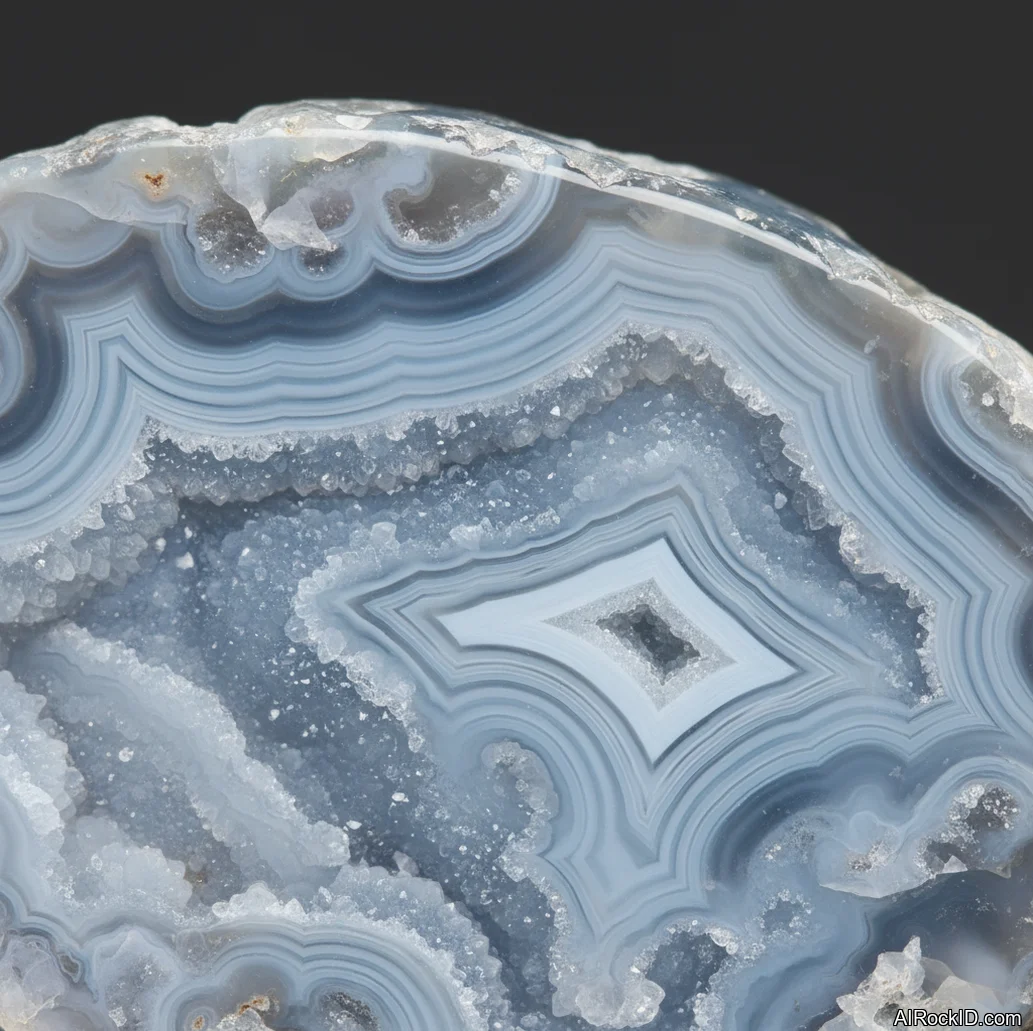
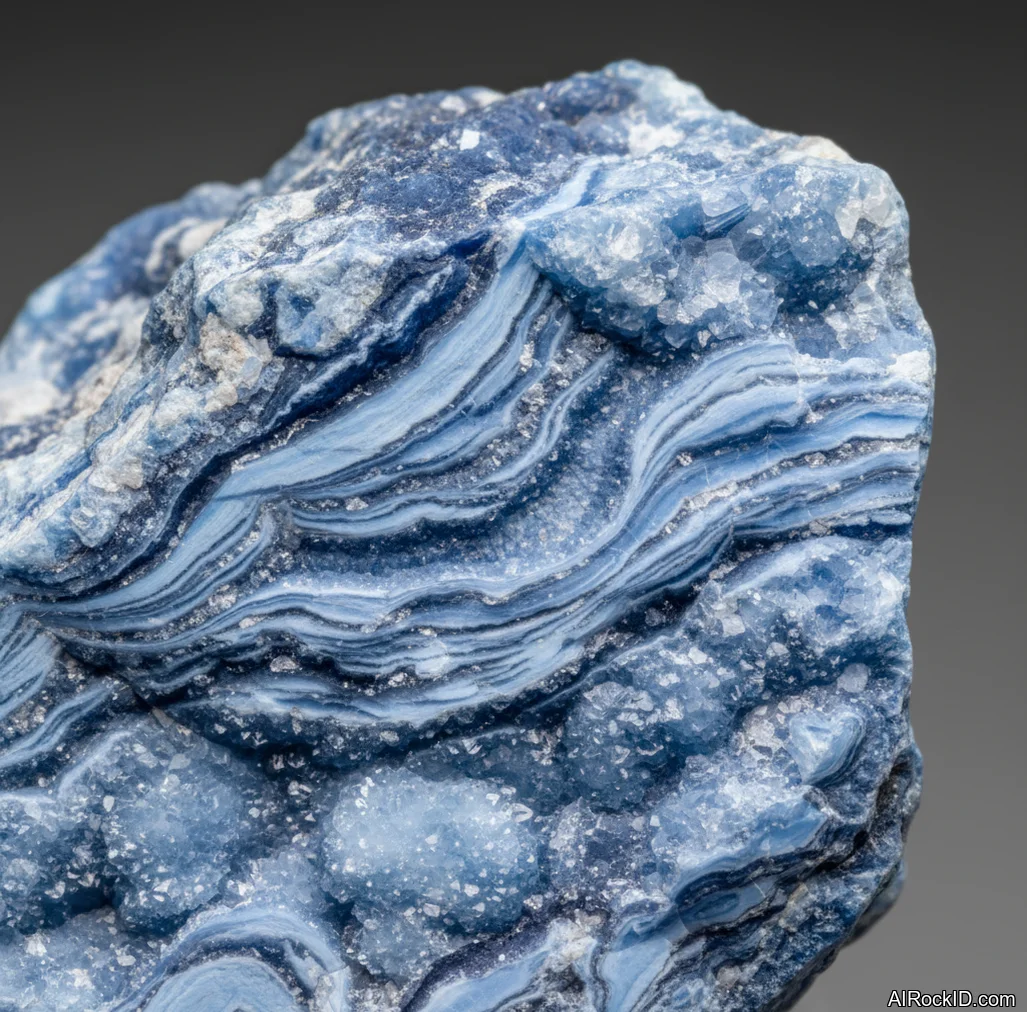
Blue chert is a fine-grained, microcrystalline quartz rock (mostly chalcedony) that gets its blue color from trace impurities and included minerals. It’s the kind of stone that looks almost boring at first, then you turn it under a decent lamp and suddenly there are smoky swirls, little cloudy patches, and faint banding that feels more like weather than clean stripes.
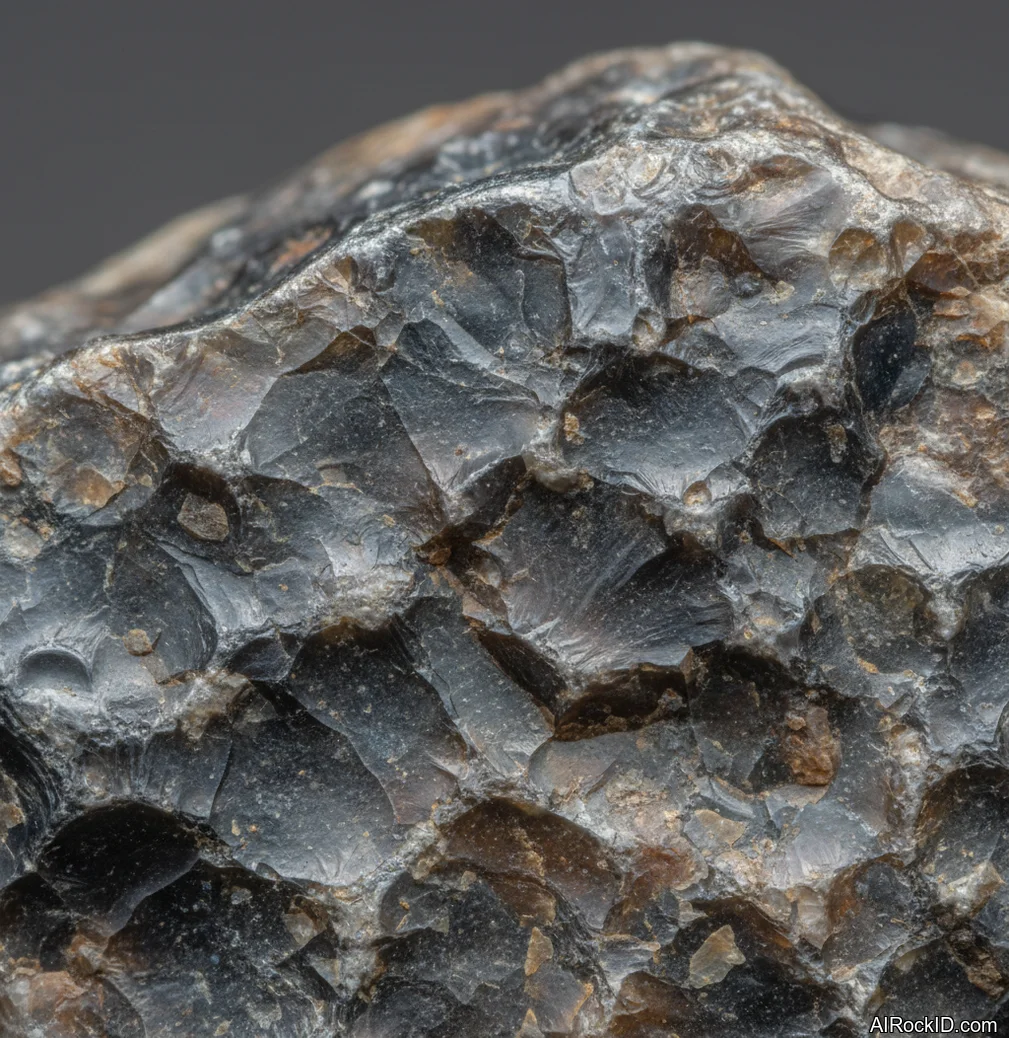
Pick up a piece and the first thing you’ll clock is how solid it feels. Not heavy like hematite, but dense and stubborn, like it’s itching to be a toolstone. Most blue chert in the trade gets tumbled or cut into simple cabochons, and it tends to have that waxy skin microcrystalline quartz gets. But raw nodules? Different story. Break one and the edges can be nasty sharp. I’ve had fresh flakes bite right into my thumb while I was sorting a bucket (the kind with grit stuck to the bottom), and yeah, it’ll draw blood.
Compared to blue lace agate or dyed howlite, blue chert comes off quieter. It doesn’t glow. It doesn’t sparkle. And that’s kind of the point, isn’t it? Tilt it and you get soft depth instead of flash, and on some pieces the surface takes a satiny polish that looks almost like porcelain.
Origin & History
Chert has been on geologists’ radar since the early days of geology, but the word “chert” showed up way before the science did. It came into English through dialect, meaning a hard, siliceous stone, and people were using it as a plain, practical label long before anyone was arguing about silica polymorphs.
And the “blue” part? That’s dealer talk, not a formal species name. Most sellers aren’t thinking about who first described anything, they’re just trying to keep it straight from gray chert, black flint, and jasper sitting right there on the table. Chert matters historically because humans have been making tools out of it for a very long time. Blue material did get knapped in some regions. But a lot of what you see for sale now gets picked up because it takes a nice polish and has that calm look people like in jewelry.
Where Is Blue Chert Found?
Blue chert turns up anywhere chert does, especially in sedimentary sequences with silica-rich layers or nodules. A lot of blue material on the market is picked from river gravels or weathered limestone country rock.
Formation
Most chert starts out as silica gel or tiny silica particles settling down in the ocean, then it slowly tightens up into microcrystalline quartz as time does its thing. It’s basically silica choosing to lock itself into a hard, fine-grained chunk instead of growing big, easy-to-spot crystals.
Look, if you’ve ever snapped a piece and run your thumb along the break (it can feel almost waxy, and the edge is annoyingly sharp), you’ll get why it fractures like it does. There’s no real cleavage, just this tightly packed, intergrown texture, so it breaks in those shell-like curves.
And the blue color? Usually trace elements or included minerals. Iron can nudge it toward blue-gray. Tiny dispersed inclusions can make it look milky or kind of “stormy.” But here’s the thing: different deposits end up coloring differently, so “blue chert” is more of a look category than one neat, single recipe.
How to Identify Blue Chert
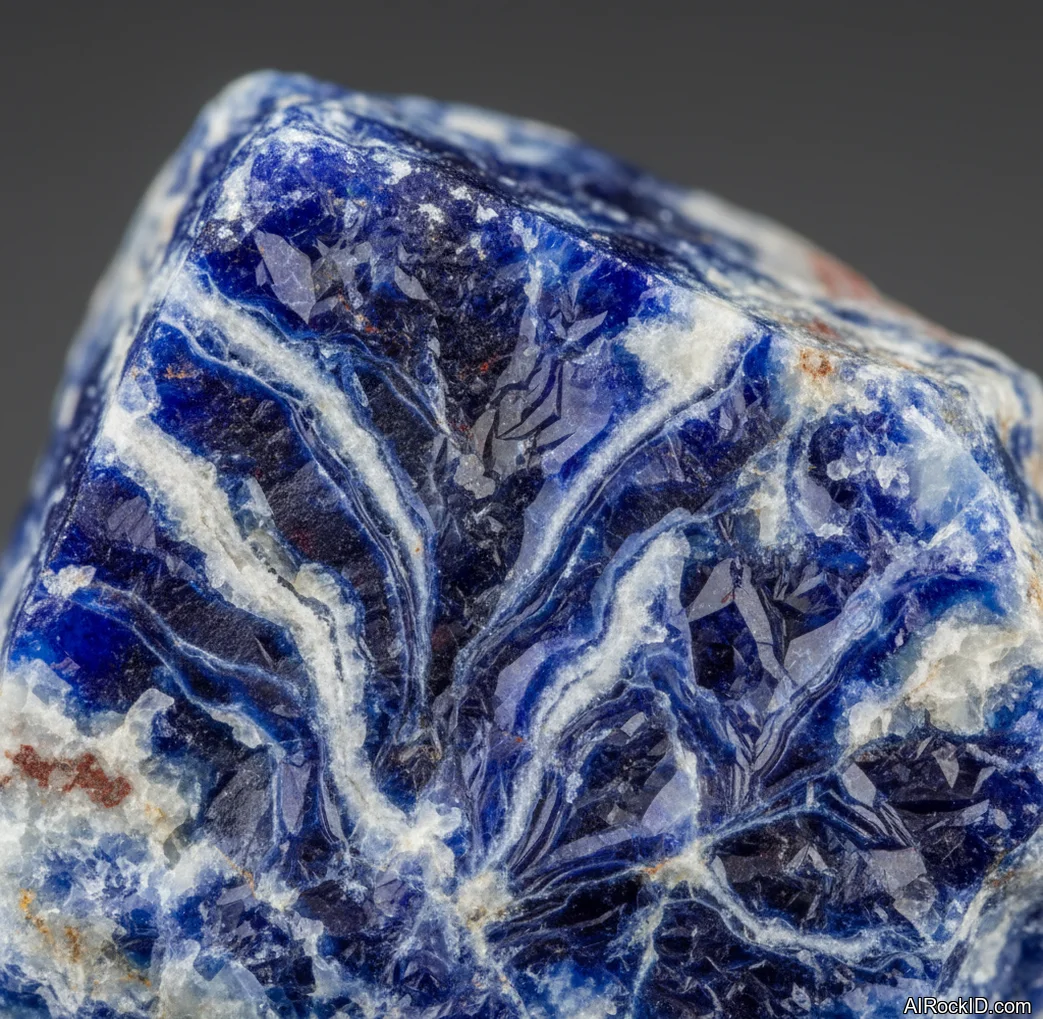
Color: Usually blue-gray to denim blue, often with cloudy mottling; some pieces lean greenish-blue or slate. Color is commonly uneven, with foggy patches rather than crisp bands.
Luster: Waxy to dull in rough pieces, turning waxy to vitreous with a good polish.
If you scratch it with a steel nail, it won’t take the scratch, but the nail might leave a metal streak you can rub off. The real test is the break: a fresh chip shows conchoidal fracture with sharp, curved edges, not granular crumble. And in hand, chert stays cool and “tight,” while dyed howlite or cheap resin fakes tend to feel warmer and a little plastic-slick.
Properties of Blue Chert
Physical Properties
| Crystal System | Trigonal |
| Hardness (Mohs) | 6.5-7 (Hard (6-7.5)) |
| Density | 2.58-2.64 g/cm3 |
| Luster | Waxy |
| Diaphaneity | Opaque |
| Fracture | Conchoidal |
| Streak | White |
| Magnetism | Non-magnetic |
| Colors | Blue-gray, Denim blue, Slate blue, Gray, Blue-green |
Chemical Properties
| Classification | Silicates |
| Formula | SiO2 |
| Elements | Si, O |
| Common Impurities | Fe, Al, Mn, C, Ca |
Optical Properties
| Refractive Index | 1.53-1.54 |
| Birefringence | 0.004 |
| Pleochroism | None |
| Optical Character | Uniaxial |
Blue Chert Health & Safety
Blue chert isn’t toxic, so it’s safe to handle. But if you’ve ever snapped a fresh piece, you know the real issue is those razor-sharp edges on the break. And if you’re cutting or grinding it, don’t ignore the silica dust, because breathing that stuff in is the bigger risk.
Safety Tips
If you’re going to shape or sand this stuff, keep it wet, make sure the air’s moving (open a window and run a fan), and wear a proper respirator that’s actually rated for silica dust.
Blue Chert Value & Price
Price Range
Rough/Tumbled: $2 - $20 per tumbled stone or small palm stone
Cut/Polished: $1 - $8 per carat
Price usually follows color, pattern, and how well it takes a polish. True blue costs more than gray, and patterns like cloudy movement, banding, or brecciation can push it up too. And the polish quality matters a lot, since a good shine shows every little pit or scratch (you notice it the second you tilt it under a light). Big, clean slabs with consistent blue are just harder to find than the little tumbles.
Durability
Very Durable — Scratch resistance: Excellent, Toughness: Good
It’s stable in normal wear, but sharp impacts can chip edges because it breaks conchoidally.
How to Care for Blue Chert
Use & Storage
Toss it in a bowl with other hard quartzy stones and it’ll probably be fine, but keep polished pieces away from softer stuff like fluorite to avoid scuffs. If it has a crisp edge, wrap it so it doesn’t chip in transit.
Cleaning
1) Rinse with lukewarm water. 2) Wash with mild soap and a soft brush to get grit out of pits. 3) Rinse well and dry with a soft cloth.
Cleanse & Charge
If you do ritual cleansing, running water or a quick smoke cleanse works fine, and moonlight won’t hurt it. Avoid salt scrubs if the piece has tiny pits that trap grains.
Placement
It looks best where side light hits it, like a shelf near a lamp, because the cloudy patterns show up more than in overhead lighting. For a desk stone, pick one with a smooth dome polish since raw chips can be surprisingly sharp.
Caution
Don’t breathe in the dust when you’re cutting, drilling, or grinding. That fine silica dust is rough on your lungs, and it hangs in the air longer than you think. And watch the fresh breaks too. Those newly snapped edges can be razor-sharp (the kind that’ll slice you before you even notice).
Works Well With
Blue Chert Meaning & Healing Properties
Blue chert doesn’t exactly yell “metaphysical” when you first see it. It’s quiet. Kind of plain, honestly, and it doesn’t have that instant sparkle that makes people stop mid-aisle and grab their credit card. But when I’m actually using stones as worry rocks or for quiet sitting, this is the stuff I keep drifting back to, because it feels steady and low-drama in your hand.
Grab a smooth blue chert palm stone and run your thumb over it for a minute. It’s got a little drag. Not slick like glass. More like that dry, slightly grippy feel you notice right away, and it makes it weirdly easy to stay present without trying so hard. In crystal-healing circles, people usually link blue chert with calming the mind, getting your thoughts in order, and speaking plainly. I can live with that phrasing (as long as we don’t get carried away). It’s not medicine. It’s not going to “fix” a panic disorder. But as something to hold onto while you’re journaling, grinding through a study session, or bracing for a tough conversation, it does the job.
But look, here’s the misconception I keep seeing at shows: some sellers pitch it like it’s rare “blue jasper,” or they talk like every chunk is some ancient ocean talisman. Most of it is just solid silica rock with a nice color. That doesn’t make it pointless. It just means you should buy it because you like how it feels, you like the color, and you like the way it settles you. Not because somebody promised miracles.
Identify Any Crystal Instantly
Snap a photo and get properties, value, care instructions, and healing meanings in seconds.