Bolivianite
What Is Bolivianite?
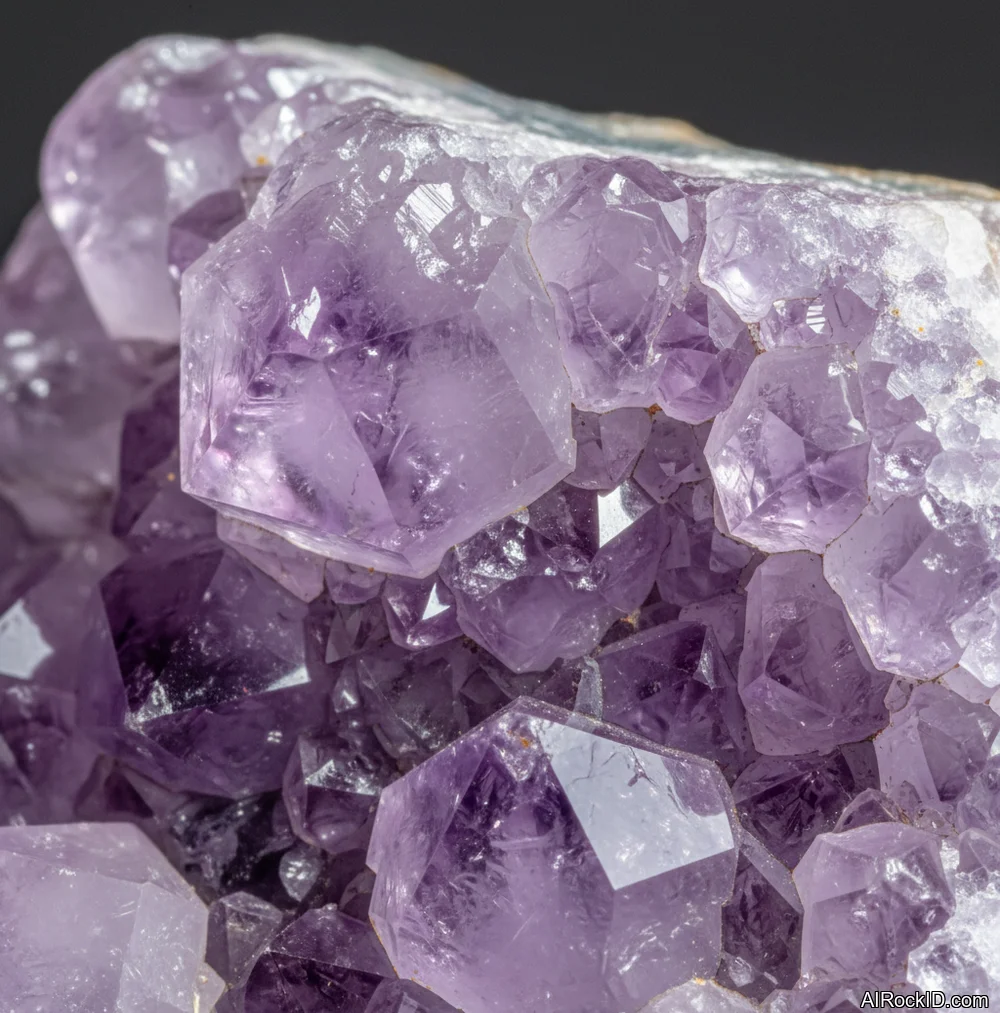
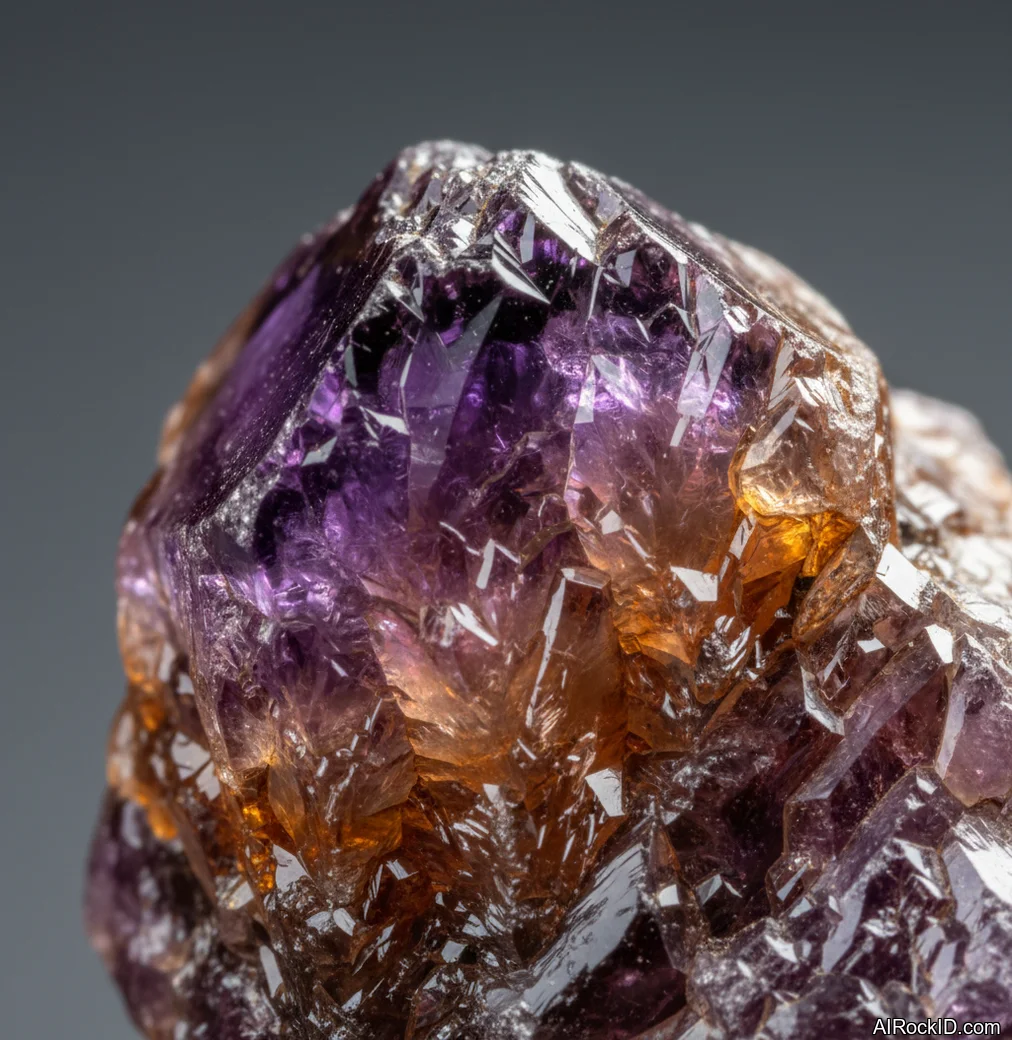
Bolivianite is basically the trade name people use for ametrine, a bicolor variety of quartz that shows amethyst purple and citrine yellow in the very same crystal.
Hold a decent piece for a second and it gives itself away as quartz right off the bat. It’s cool against your palm, the surface has that slick, glassy feel, and it’s hard enough to scratch a window pane without you having to bear down. And the best part is the split personality. Tip it under a lamp and the purple swings from grape-jelly to a smoky violet, while the yellow side bounces between honey and a pale champagne depending on the cut and the light.
Thing is, a lot of “bolivianite” you see for sale looks almost too perfect at first glance. And, honestly, some of it is. Heat can nudge the purple toward yellow, and you’ll run into stones where the boundary looks kind of mushy or the color goes strangely uniform. The nicer natural material has zoning that reads like geology, not paint: uneven edges, little wisps (almost like faint smoke in glass), and a transition line that tracks the crystal’s growth instead of slicing straight across the whole stone.
Origin & History
Most dealers toss around “Bolivianite” as a sales name for ametrine that’s mined in Bolivia, especially out by the Anahí Mine in the eastern lowlands. It’s quartz, so nobody “discovered” it the way you’d discover a brand-new mineral species. But once Bolivia started producing it consistently, ametrine showed up in the modern gem trade in a real, noticeable way.
Ametrine is basically amethyst plus citrine. That’s the whole point. You’re literally looking at both colors in the same stone, sometimes with a sharp split you can see even before it’s fully cleaned up. So “Bolivianite” caught on because it screams origin. And because Bolivia is the place most people connect with natural, mine-run bicolor quartz, not lab-grown stuff or heavily treated material.
Where Is Bolivianite Found?
Natural gem-trade material sold as Bolivianite is overwhelmingly associated with Bolivia, with the Anahí Mine region being the name you’ll hear most.
Formation
Picture hydrothermal quartz growing, but the chemistry and temperature don’t stay put while the crystal’s building itself. Quartz forms when silica-rich fluids move through fractures and little open pockets in the rock. When conditions line up for amethyst, tiny amounts of iron sneak into the quartz, and later on radiation helps create the purple color centers.
Then things change midstream. Less of the “amethyst setup,” more of the “citrine setup,” and now you’re getting yellow zones in that same crystal. And here’s the key: that banding comes from how it grew, not from some stain on the outside. If you’ve got a rough piece in your hand and tilt it in the light (the kind of light that catches the tiny steps and faces), you can sometimes see the color tracking along internal growth planes, kind of like a topographic map.
How to Identify Bolivianite
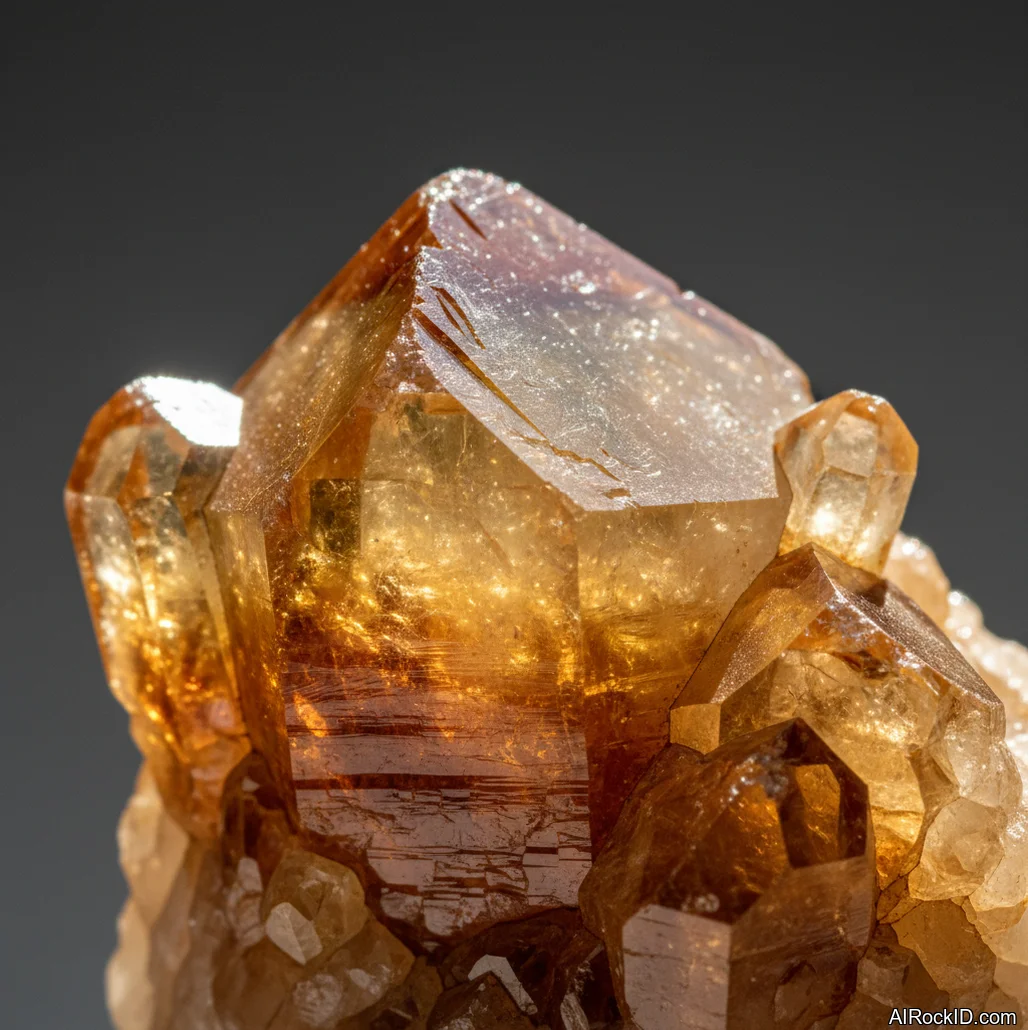
Color: Bolivianite shows adjacent zones of purple (amethyst) and yellow to orange-yellow (citrine) within the same quartz crystal. The boundary can be sharp or feathery, and the yellow is usually more honey than neon.
Luster: Vitreous luster, like clean glass.
If you scratch it with a steel blade, you won’t get far, because it’s quartz at Mohs 7. The real test is the zoning: natural pieces usually have a boundary that follows growth and looks a little irregular when you rotate it under a single point light. Cheap versions can look warm to the touch and plasticky, and glass imitations often show bubbles or a too-even color split.
Properties of Bolivianite
Physical Properties
| Crystal System | Trigonal |
| Hardness (Mohs) | 7 (Hard (6-7.5)) |
| Density | 2.65 g/cm3 |
| Luster | Vitreous |
| Diaphaneity | Transparent to translucent |
| Fracture | Conchoidal |
| Streak | White |
| Magnetism | Non-magnetic |
| Colors | Purple, Yellow, Orange-yellow, Colorless |
Chemical Properties
| Classification | Silicates |
| Formula | SiO2 |
| Elements | Si, O |
| Common Impurities | Fe |
Optical Properties
| Refractive Index | 1.544–1.553 |
| Birefringence | 0.009 |
| Pleochroism | Weak |
| Optical Character | Uniaxial |
Bolivianite Health & Safety
Bolivianite is quartz (SiO2), and it’s generally safe to handle and display. Day-to-day handling doesn’t raise any real toxicity concerns.
Safety Tips
If you’re going to cut or grind it, handle it the same way you would any silica-bearing stone. Keep it wet with water so you’re not kicking up that super-fine dust, and wear the right respiratory protection so you don’t end up breathing it in.
Bolivianite Value & Price
Price Range
Rough/Tumbled: $10 - $150 per specimen
Cut/Polished: $8 - $60 per carat
Prices bounce around depending on how clean the quartz is, how sharp that purple yellow split looks, and if the color actually holds up under normal indoor lighting (not just under a bright display lamp). Big, clean faceted stones get expensive in a hurry. But most show material is still pretty affordable.
Durability
Durable — Scratch resistance: Excellent, Toughness: Good
It’s stable like quartz, but prolonged strong light can slowly fade color in some pieces, so don’t bake it on a sunny windowsill.
How to Care for Bolivianite
Use & Storage
Store it like you would any quartz jewelry or display piece: separated from softer stones so it doesn’t scuff them, and out of harsh, direct sun if you want the color to stay strong. I keep my nicer faceted ones in a little gem box because they love to pick up fingerprints.
Cleaning
1) Rinse with lukewarm water and a drop of mild soap. 2) Use a soft toothbrush to get around edges or in a rough crystal’s grooves. 3) Rinse well and pat dry with a clean microfiber cloth.
Cleanse & Charge
For non-medical spiritual use, people typically use smoke, sound, or a quick rinse and then set it somewhere calm for a bit. If you’re worried about fading, skip long sun-charging sessions.
Placement
On a desk it reads more yellow in daylight and more purple in warm evening bulbs, so move it around and see what lighting you like. A small stand helps because the zoning looks best when you can rotate it.
Caution
Don’t leave it sitting in strong, direct sun for long stretches. And when you clean it, skip the harsh stuff, no gritty abrasives or aggressive cleaners on the polished faces.
Works Well With
Bolivianite Meaning & Healing Properties
Compared to plain amethyst or plain citrine, Bolivianite is what I grab when I want both ends of the spectrum sitting on the same shelf. People love calling it a “bridge” stone: calm on one side, get-stuff-done on the other. That’s just vibe talk, not a medical claim. And honestly, that’s a big reason collectors keep one around.
Pick up a polished Bolivianite and you’ll almost automatically start flipping it in your fingers to catch the line where purple turns to yellow. It’s weirdly satisfying. That little back-and-forth (under a lamp or near a window) is half the point. In a meditation setting, some folks use the purple end as a cue to slow down, then they turn it and use the yellow end as a cue to plan and decide. Simple. It’s basically a visual anchor.
But look, sellers sometimes hype it up like it’s rare magic quartz. It isn’t. It’s quartz with a cool growth story. So if you’re into crystals for mood and focus, use it like a reminder object, not a remedy. And if you’ve got anxiety, depression, or anything medical going on, a stone in your pocket isn’t replacing real care. Not even close.
Identify Any Crystal Instantly
Snap a photo and get properties, value, care instructions, and healing meanings in seconds.