Champagne Topaz
What Is Champagne Topaz?
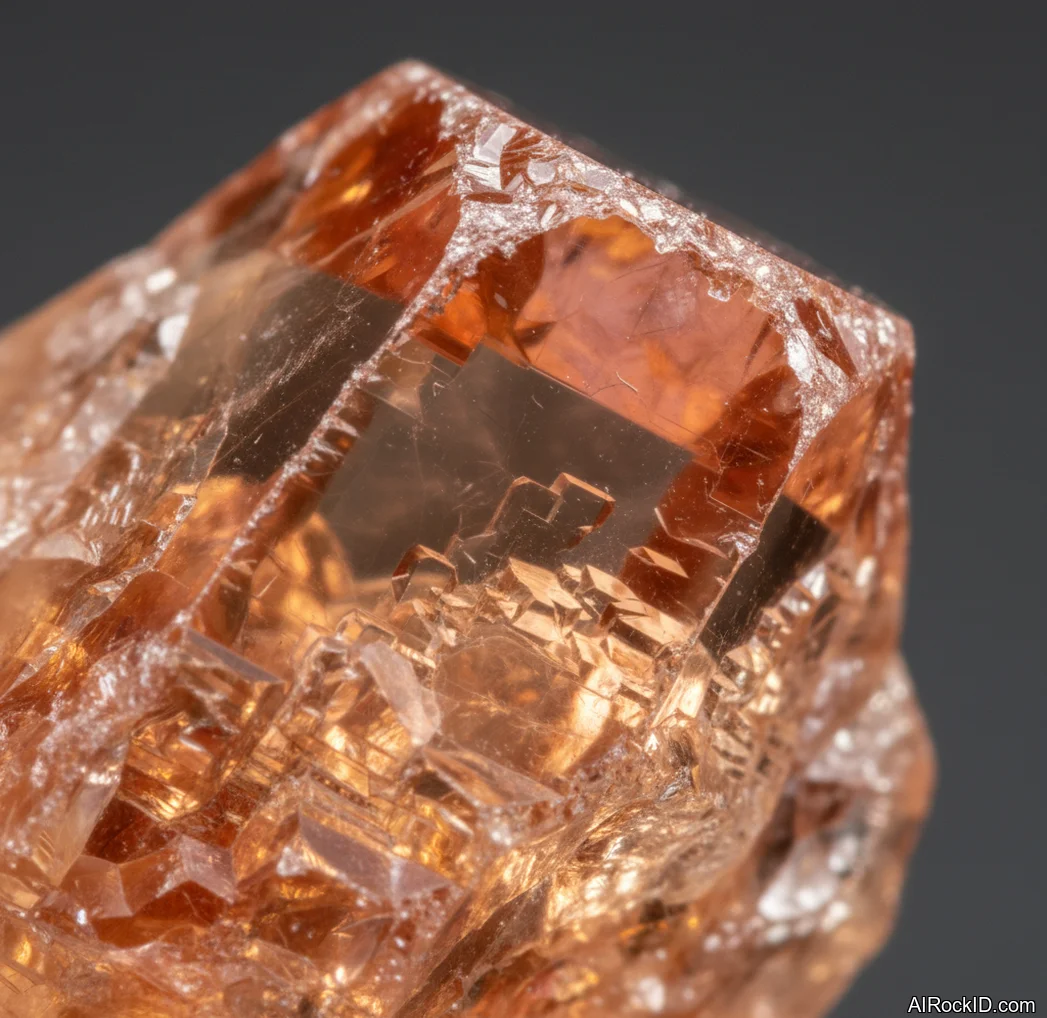
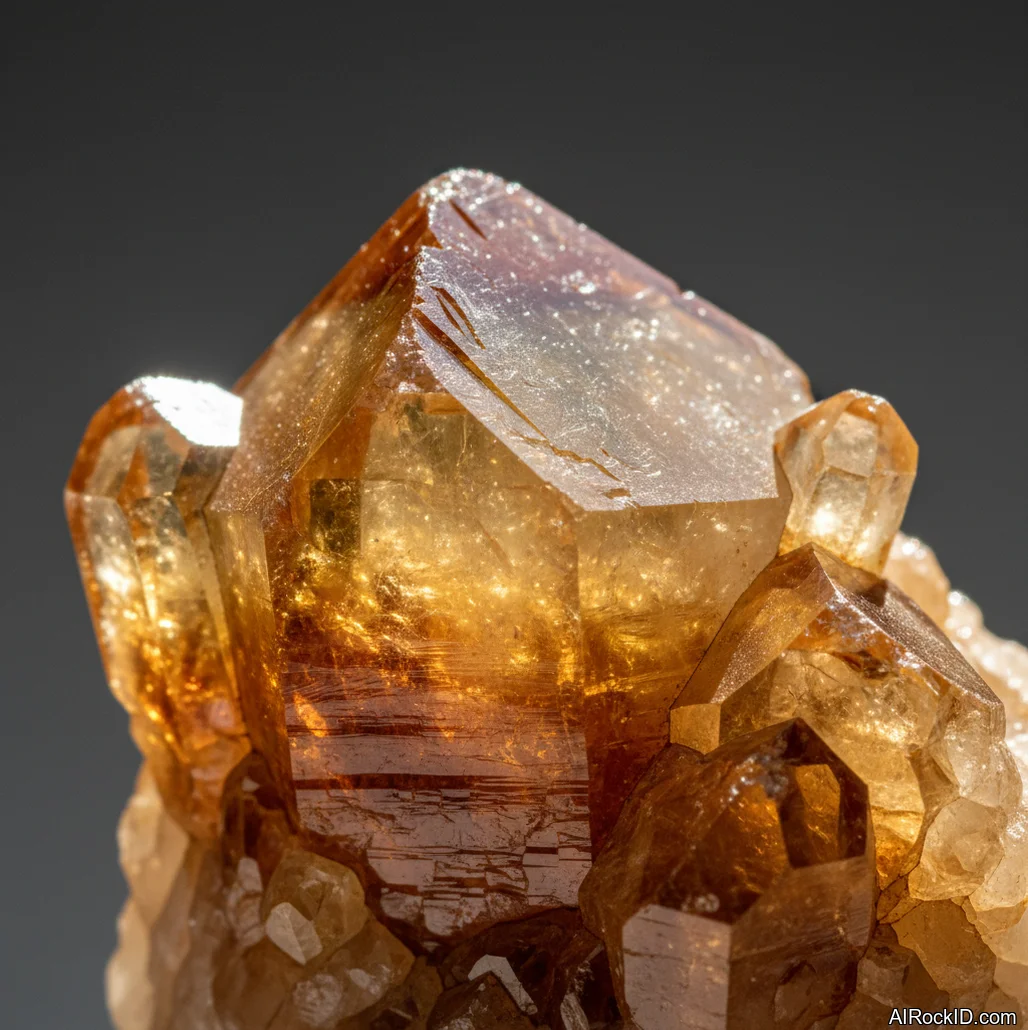
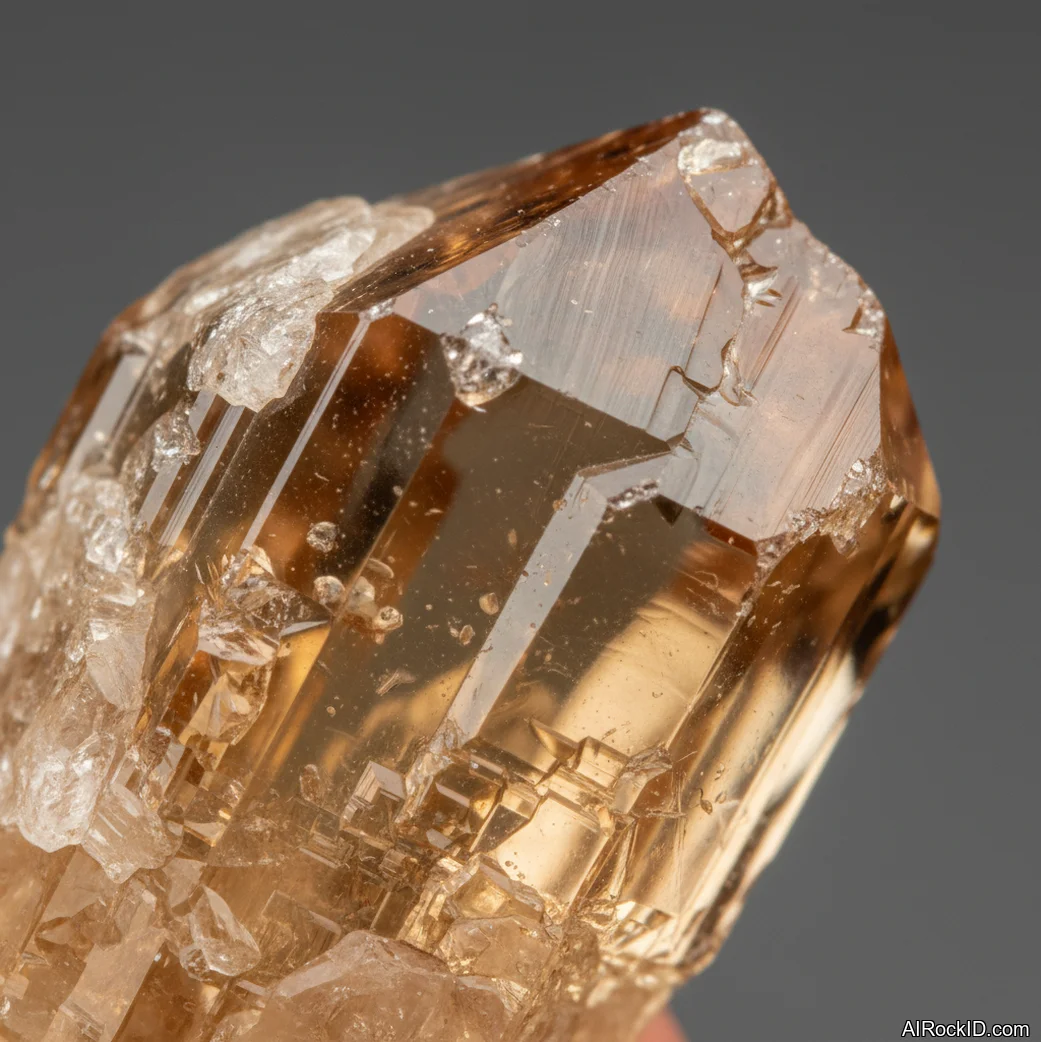
Champagne Topaz is a variety of topaz with a warm yellow-brown to peachy body color, kind of like champagne.
Hold a loose one in your hand and you feel it immediately. That clean, solid heft. Topaz is denser than you expect for something that looks so glassy, and the good champagne shades don’t sit still either. Tilt it and the color slides from pale straw to toasted sugar. Under the harsh jewelry counter lights it can go almost peach, but step into daylight and it usually calms down into a more honest honey-brown.
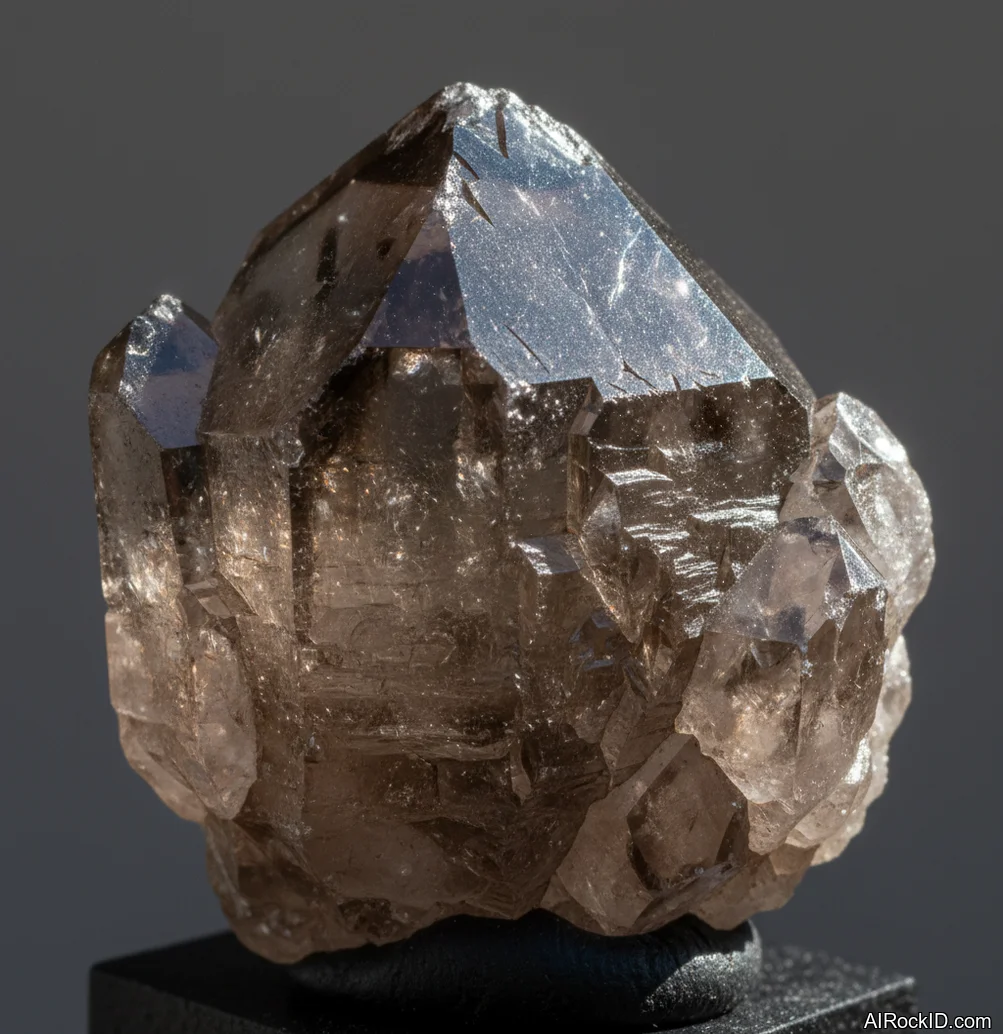
Next to citrine, champagne topaz usually reads sharper. Crisper facet edges, a bright hard sparkle, and it doesn’t get that greasy look. But here’s the annoying part: the trade name gets abused. I’ve seen smoky quartz and heat-treated quartz sold as “champagne topaz” more times than I can count, especially in those bargain bins at gem shows.
Origin & History
Topaz didn’t really get pinned down in the modern, scientific way until the late 1700s, when mineralogy started getting its act together. And after that, early mineralogists in Europe went on to standardize it and write up the descriptions people still lean on.
The word “topaz” itself? It’s old, and kind of a mess. It probably connects back to the Greek “Topazios” (an island name), but it also got tugged around by even older names people used for yellow stones that weren’t actually topaz. Confusing? Yep. Pretty typical for gemstone names, honestly.
“Champagne topaz,” on the other hand, isn’t some separate mineral species hiding in the fine print. It’s a newer color label. Dealers started using it when pale browns and golden stones got hot in jewelry, because “champagne” lands a lot gentler on the ear than “brown” (and sells better, who’s surprised). So it’s basically marketing shorthand for one particular slice of topaz’s natural color range.
Where Is Champagne Topaz Found?
You’ll see champagne-toned material from Brazil and Pakistan in the gem trade, with additional production from parts of Russia, Sri Lanka, Nigeria, and occasional US localities.
Formation
Look, if you pay attention to where topaz actually turns up, it almost always drags you back to granites and the junk they leave behind. It forms late, out of silica-rich magma, most often in granitic pegmatites or in those little cavities where hot fluids can snake through, cool off, and drop crystals. Fluorine’s the key ingredient here. Topaz is basically your hint that the system had a lot of fluorine-bearing fluids hanging around.
Pieces straight out of pegmatites can be pretty textbook: sharp prismatic crystals, clear striations you can feel when you run a fingernail along them, and sometimes those etched faces that look like they got lightly sandblasted. But then you’ll see it in rhyolites and altered volcanic rocks too, usually as smaller crystals tucked into pockets. And the color? All over the place. I’ve sorted parcels where half the stones were pale straw and the rest leaned more brown, and they were all supposed to be from the same mine run. How does that happen? It just does.
How to Identify Champagne Topaz
Color: Champagne topaz ranges from pale straw-yellow through honey and warm golden-brown, sometimes with a soft peach or pinkish cast in certain lighting.
Luster: Vitreous luster with a bright, hard-looking polish when cut.
Pick up a piece and feel the weight. Topaz tends to feel heavier than quartz of the same size, and the facet edges usually look very crisp. If you scratch it with a steel blade, it shouldn’t bite easily, but don’t do that on a polished gem you care about. The real test is confusion with quartz: “champagne quartz” is common, and quartz won’t have topaz’s density or that slightly higher, sharper sparkle when it’s well cut.
Properties of Champagne Topaz
Physical Properties
| Crystal System | Orthorhombic |
| Hardness (Mohs) | 8 (Very Hard (7.5-10)) |
| Density | 3.49-3.57 g/cm3 |
| Luster | Vitreous |
| Diaphaneity | Transparent to translucent |
| Fracture | Conchoidal |
| Streak | White |
| Magnetism | Non-magnetic |
| Colors | Pale yellow, Straw yellow, Honey, Golden-brown, Light brown, Peach |
Chemical Properties
| Classification | Silicates |
| Formula | Al2SiO4(F,OH)2 |
| Elements | Al, Si, O, F, H |
| Common Impurities | Fe, Cr, Ti |
Optical Properties
| Refractive Index | 1.609-1.643 |
| Birefringence | 0.008-0.010 |
| Pleochroism | Weak |
| Optical Character | Biaxial |
Champagne Topaz Health & Safety
Champagne topaz is usually safe to handle, and it’s fine around water too. The real issue isn’t water at all. It’s getting knocked, dropped on tile, or smacked against a countertop, because the stone has cleavage and can chip or crack from a hard impact.
Safety Tips
So, stash it somewhere it won’t clack around against harder stones (that little clicking sound is a bad sign), and don’t toss jewelry in an ultrasonic cleaner unless you’re sure the setting is solid.
Champagne Topaz Value & Price
Price Range
Rough/Tumbled: $10 - $80 per piece (tumbled/rough small specimens); $80 - $400+ for clean, well-formed crystals or larger display rough
Cut/Polished: $15 - $120 per carat
Color, clarity, and cut quality do most of the heavy lifting on price. Thing is, peachy-gold tends to move faster than that flat brown look. Once you get into bigger stones that are actually clean, the price jumps fast. And if it’s untreated and the paperwork’s solid, expect a premium.
Durability
Durable — Scratch resistance: Excellent, Toughness: Fair
Topaz is hard but has perfect cleavage, so a sharp knock at the wrong angle can chip or split it even when the surface looks fine.
How to Care for Champagne Topaz
Use & Storage
Keep champagne topaz separated from other gems, especially diamonds and corundum, because they can scratch the polish. I toss mine in a small gem box with individual compartments so nothing taps facet-to-facet.
Cleaning
1) Rinse with lukewarm water and a drop of mild soap. 2) Use a soft brush around the back of the setting or along natural grooves in rough. 3) Rinse well and pat dry with a soft cloth.
Cleanse & Charge
If you do energetic cleansing, stick to gentle options like smoke, sound, or leaving it in a quiet spot overnight. Avoid “salt bury” methods if the piece has fractures that can trap grit.
Placement
On a desk it reads warm and friendly, especially next to wood tones or plants. In a window, I’d keep it out of direct sun just to be cautious with color on any treated stones.
Caution
Don’t just go by hardness. Topaz can split along a cleavage plane, so treat it like something that’ll chip if you smack it. No drops onto tile, no death grip from tight prongs (you can feel when the setting’s pinching), and don’t let it rattle around in a drawer where it can take hard knocks. And skip steam or ultrasonic cleaners if the stone has inclusions, fractures, or you don’t know its treatment history. Why risk it?
Works Well With
Champagne Topaz Meaning & Healing Properties
Champagne topaz, at first glance, just reads like calm confidence to me. Not drowsy. It’s more like that moment when your to do list is still a mile long, but you’re finally moving through it without spiraling and rechecking everything three times.
I keep a small faceted one in a little dish by my keys, the kind that makes a faint click when it bumps the ceramic. And it’s the stone I grab when I want my brain to stop ping ponging.
But look, I’m not going to pretend it’s medicine. If you’re working with crystals in a personal, reflective way, champagne topaz fits really well with routines: journaling, budget planning, or that annoying but necessary email you’ve been avoiding (you know the one). The color helps too. Warm stones tend to feel less sharp emotionally than icy clears, at least for me.
Thing is, topaz in the metaphysical market gets mashed into one big bucket, and people say the same lines about every color. In actual use, the champagne range feels more grounded than blue topaz, and less intense than the hot orange imperial stuff. So if you’re sensitive to energy language, call it a focus cue. And if you’re not, call it a pretty, durable reminder object that you genuinely like looking at. Why not.
Identify Any Crystal Instantly
Snap a photo and get properties, value, care instructions, and healing meanings in seconds.