Danburite
What Is Danburite?
Danburite is a calcium boron silicate mineral with the formula CaB2(SiO4)2.
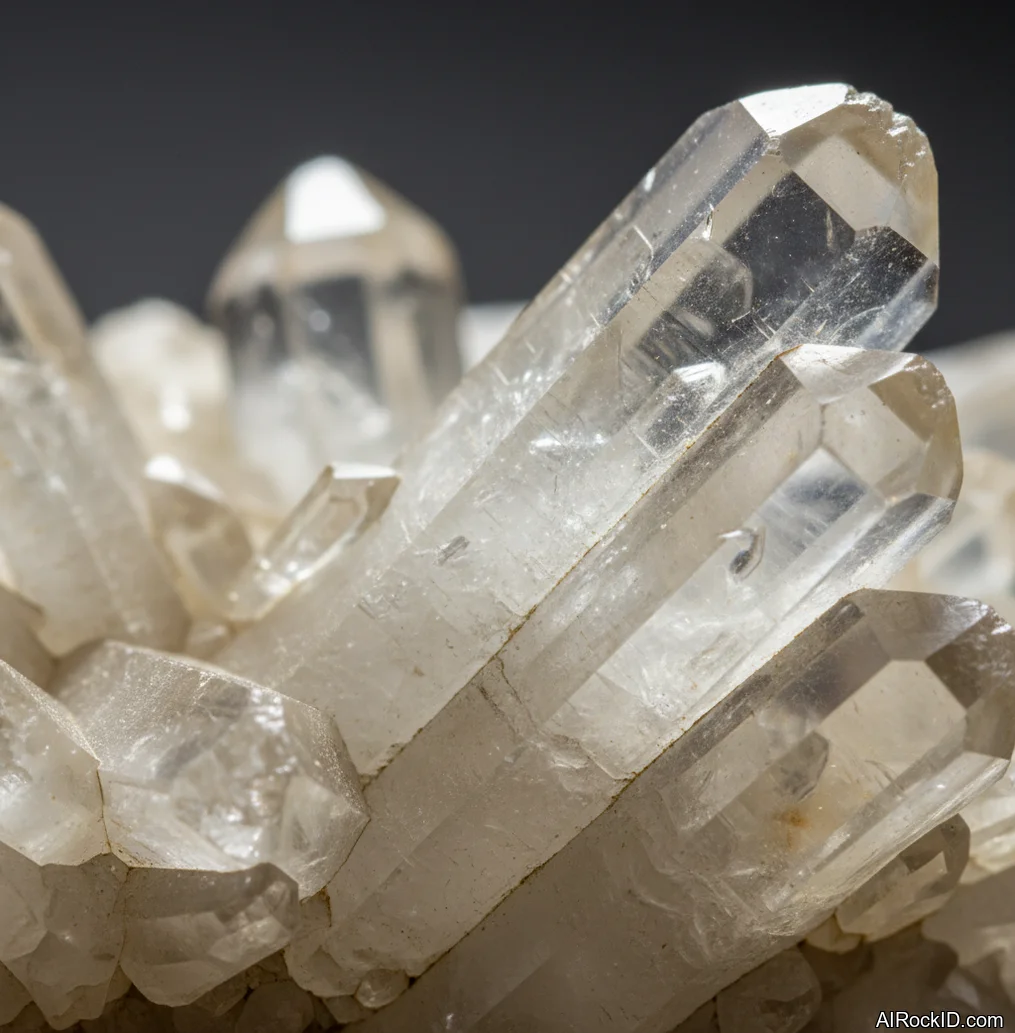
Grab a clean crystal and, honestly, the first thing that hits you is that glassy look. It’s a lot like quartz at a glance, just with edges that seem a bit sharper, a bit more “snapped into place.” But once it’s actually in your hand, it doesn’t read like quartz. The faces on danburite look more architectural, like someone squared them up on purpose, and the terminations can be so sharp I’ve literally caught a polishing cloth on one (annoying, but kind of impressive).
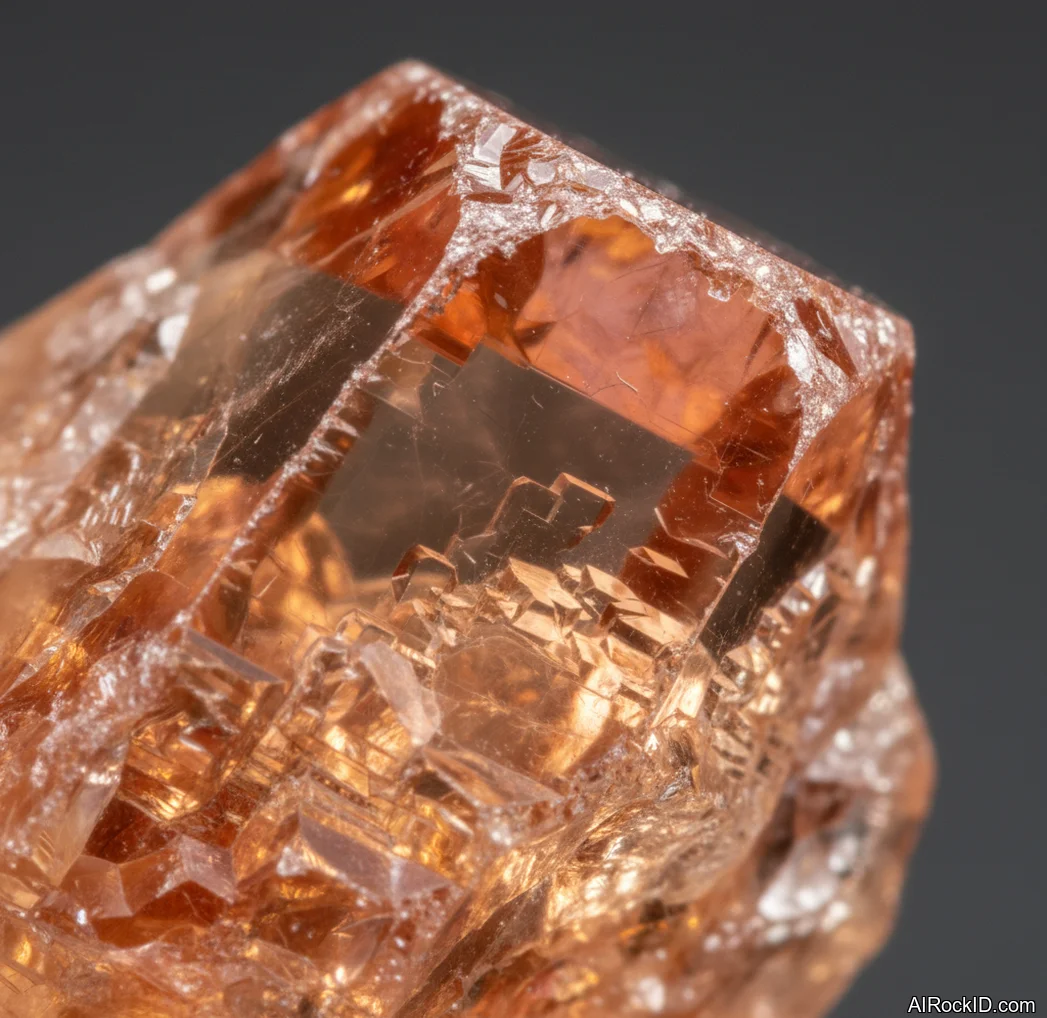
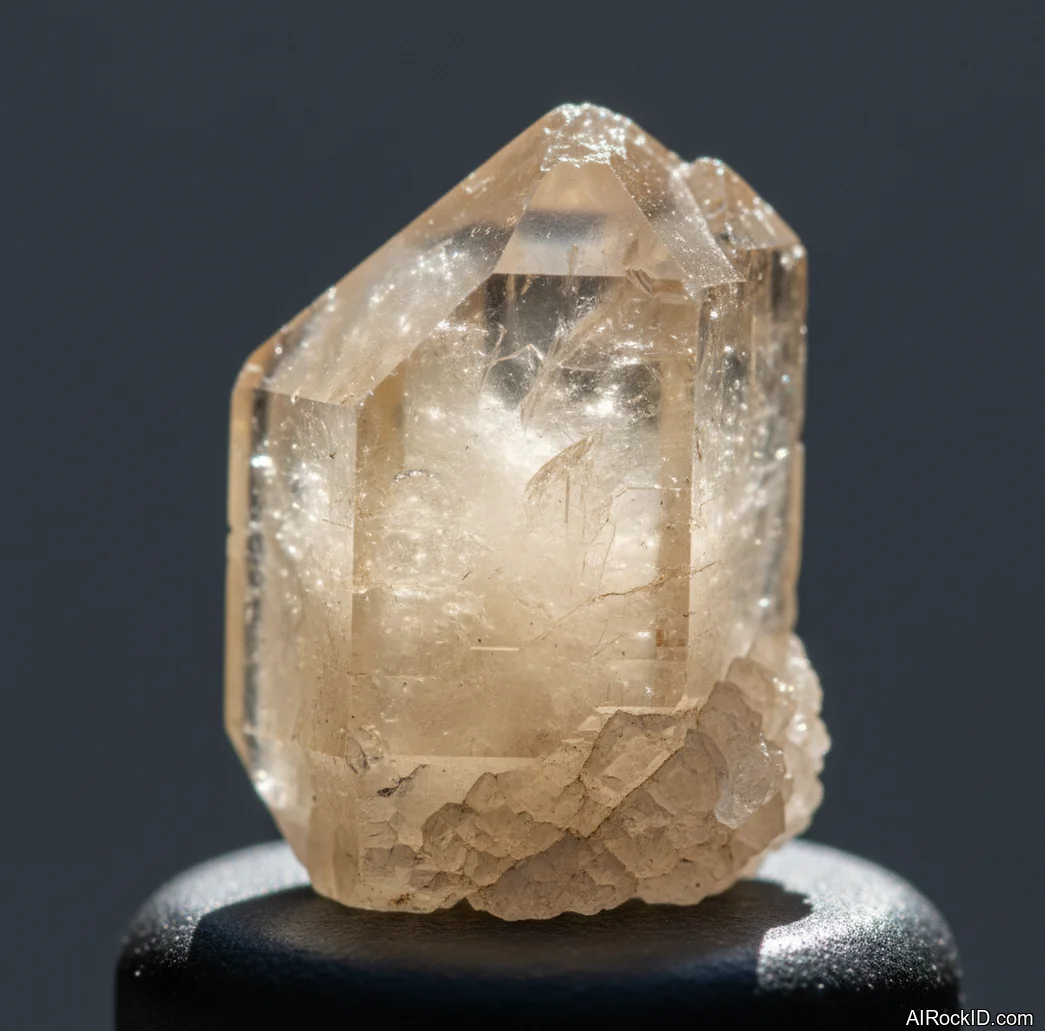
Turn it under decent light and the nicer pieces get this clear, airy transparency. Sometimes there’s a faint champagne tint, the kind you don’t even notice until you tilt it and it suddenly shows itself. Subtle. Easy to miss.
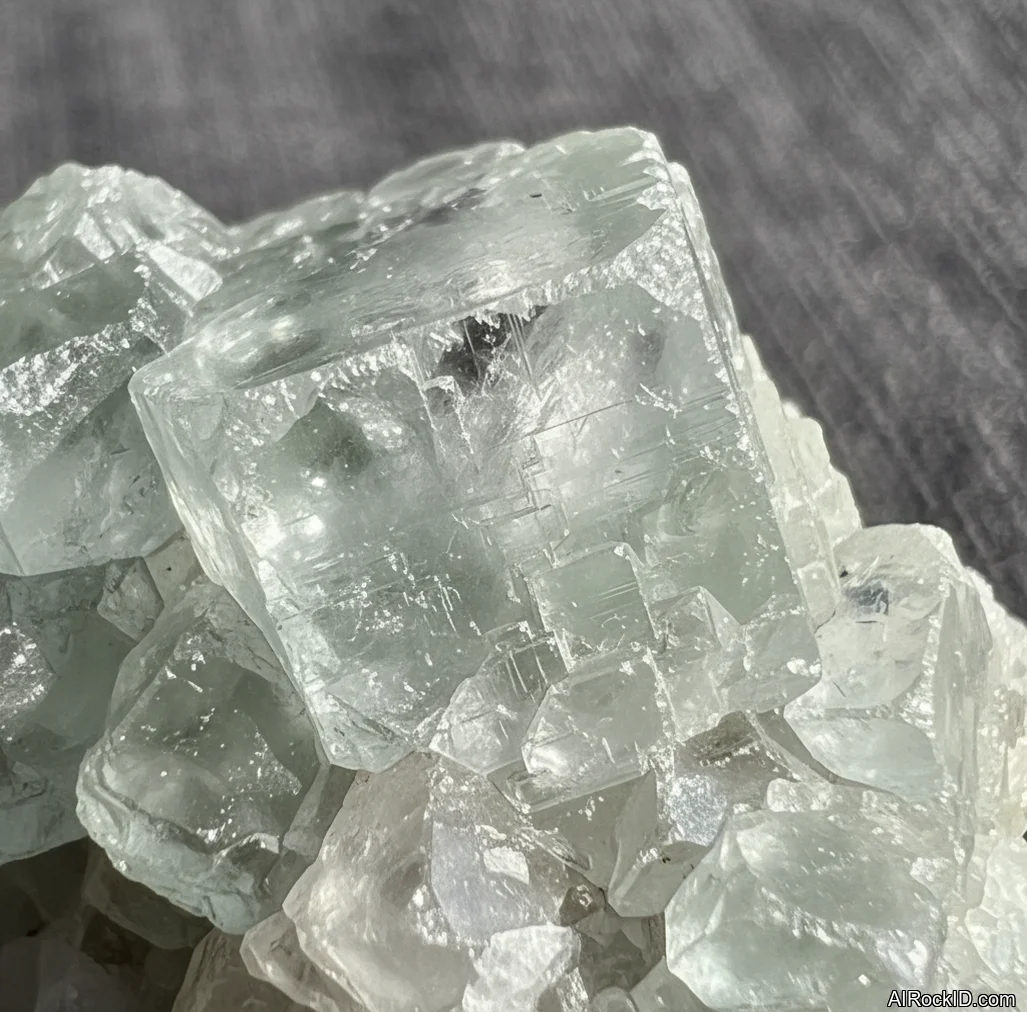
What most people come across is colorless, pale yellow, or a little milky. A lot of it gets cut since it’ll take a bright, clean polish without much fuss. But raw crystals are where the fun is, at least if you collect. Ever handled a chunky Danbury, Connecticut specimen and then picked up a slender Mexican one? Same species, totally different vibe.
Origin & History
Danburite got its first official write-up in 1839, based on material from Danbury, Connecticut, USA, and mineralogist Charles Upham Shepard was the one who did it. The name isn’t some mystery either. It’s literally pulled straight from the type locality, and old-timers will still point that out the second a bit of Connecticut material hits a show table (usually while they’re turning the crystal under the lights to catch those clean faces).
It never really picked up the whole “ancient gem” legend that some stones ride on. But collectors ended up liking it anyway because it grows in crisp, clean crystals, and it’s a solid, boron-bearing silicate you can actually pick up, rotate in your hand, and study without hauling out a microscope. Why complicate it?
Where Is Danburite Found?
Danburite turns up in a handful of classic boron-rich skarn and pegmatite settings, with well-known material from the USA (Connecticut), Mexico, and Brazil among others.
Formation
Look, if you track where danburite shows up, it’s basically a “right chemistry, right neighborhood” situation. You mostly run into it in contact-metamorphic zones where boron-rich fluids are in the mix, especially skarns sitting up against intrusive bodies. It tends to ride along with calc-silicate minerals, which checks out once you remember it’s hauling calcium and boron.
And sure, you’ll also see it mentioned in some pegmatitic or hydrothermal settings, but the examples that actually stick with me are the skarn-style associations. When the crystals have real breathing room, they can grow out clean and open, so some specimens end up looking almost assembled instead of naturally grown. Weird, right?
How to Identify Danburite
Color: Danburite is usually colorless to pale yellow or champagne, sometimes white to slightly cloudy from inclusions. Rare material can show stronger yellow tones, but most pieces stay pretty subtle.
Luster: Vitreous, like clean window glass.
If you scratch it with a steel nail, nothing happens, but it’ll scratch glass without much effort. The real test is comparing it next to quartz: danburite crystals often look sharper and more “blocky” at the termination, and the faces can be brighter when you rock them under a lamp. And in your hand, a real crystal stays cool and crisp; glass imitations feel warmer and a little too uniform when you turn them.
Properties of Danburite
Physical Properties
| Crystal System | Orthorhombic |
| Hardness (Mohs) | 7-7.5 (Hard (6-7.5)) |
| Density | 2.95-3.00 g/cm3 |
| Luster | Vitreous |
| Diaphaneity | Transparent to translucent |
| Fracture | Conchoidal |
| Streak | White |
| Magnetism | Non-magnetic |
| Colors | Colorless, Pale yellow, Champagne, White |
Chemical Properties
| Classification | Silicates |
| Formula | CaB2(SiO4)2 |
| Elements | Ca, B, Si, O |
| Common Impurities | Fe, Mn |
Optical Properties
| Refractive Index | 1.630-1.636 |
| Birefringence | 0.006 |
| Pleochroism | None |
| Optical Character | Biaxial |
Danburite Health & Safety
Normal handling is pretty low risk, and a quick splash of water won’t hurt it. The real “risk” is just physical stuff: it can chip, and then you’re left with those tiny, sharp splinters that feel like grit when they catch your skin.
Safety Tips
If you’re trimming or grinding it, put on safety glasses. And don’t shrug off the dust, either, handle it the same way you’d handle any silica-bearing mineral dust (that gritty, powdery stuff that sticks to your hands).
Danburite Value & Price
Price Range
Rough/Tumbled: $10 - $250 per specimen
Cut/Polished: $20 - $150 per carat
Clean, chip-free terminations and a decent, hand-filling size will jack the price up quick, especially when the crystal has that “floaty” look and stays bright even when you tilt it under a lamp. Faceted value usually comes down to clarity, color (a stronger yellow can actually help), and whether the cut holds onto that crisp, glassy brilliance instead of going dull at the edges.
Durability
Moderate — Scratch resistance: Good, Toughness: Fair
It’s stable in normal room conditions, but sharp edges and terminations chip easier than people expect for a 7+ hardness mineral.
How to Care for Danburite
Use & Storage
Store danburite so the termination isn’t banging into harder stones. I keep mine in perky boxes or wrap them because those edges nick if you look at them wrong.
Cleaning
1) Rinse with lukewarm water and a drop of mild soap. 2) Use a soft toothbrush around the base and any crevices, then rinse well. 3) Pat dry and let it air-dry before putting it back in a closed box.
Cleanse & Charge
If you do the metaphysical side, gentle methods are the move: a quick rinse, smoke, or setting it on a clean windowsill for indirect light. I skip harsh salt soaks because they’re pointless here and can leave residue.
Placement
On a shelf, it likes stable footing since tall crystals tip easily. If it’s faceted, a small gem box keeps it from getting scuffed by other stones.
Caution
Skip ultrasonic cleaners and any rough tumbling for crystal specimens. Danburite is fairly hard, sure, but it’ll still chip along edges and existing fractures (especially those already a bit crumbly).
Works Well With
Danburite Meaning & Healing Properties
At a glance, danburite lands in the same mental bin as clear quartz because it’s usually colorless and it catches the light. But once you actually hold one for a minute, it doesn’t feel the same. It’s clean. Not buzzy. When I’m sorting a tray at a show, I’ll grab a danburite and it just sits there in my hand feeling calm and steady, like it isn’t trying to do ten different things at once.
People who use it in a metaphysical way almost always bring up clarity, gentle emotional release, and that quiet, high mental focus. I can see why they say that. A good crystal has this simple, bright look that makes your brain want to straighten up the room (why does it do that?). But I’m going to say it straight: that’s personal practice, not medicine. If you’re dealing with anxiety, sleep stuff, or anything medical, crystals belong in the supportive ritual box, not the treatment plan.
And here’s where it gets a little messy. A lot of the danburite out there is tumbled, and sure, tumbles can be pretty, but they don’t teach you the mineral the way a sharp, natural crystal does. On top of that, some sellers will call any clear point “danburite” because the name moves product. So slow down. Look at the overall habit, then the quality of the faces. The real ones have that crisp, icy look, and they stay cool in your palm for a beat longer than glass. That little moment matters.
Identify Any Crystal Instantly
Snap a photo and get properties, value, care instructions, and healing meanings in seconds.