Garnierite
What Is Garnierite?
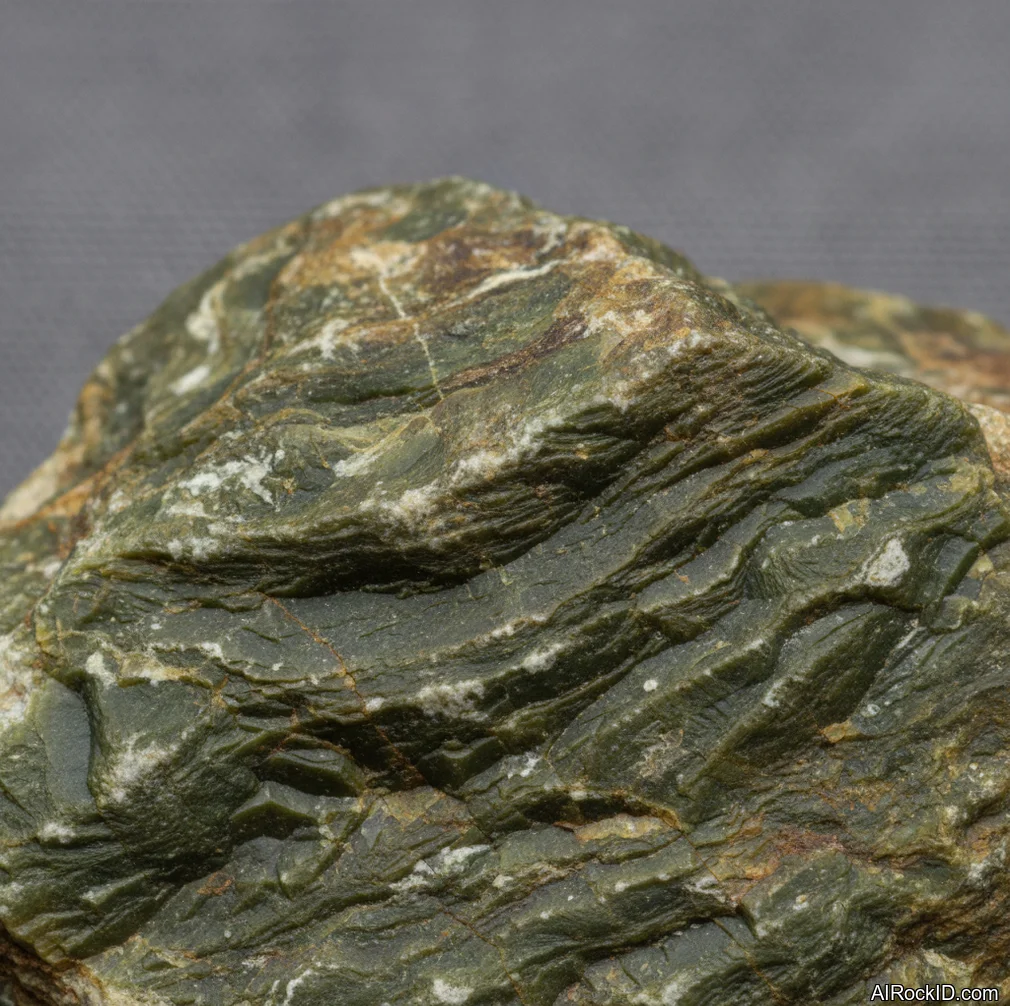
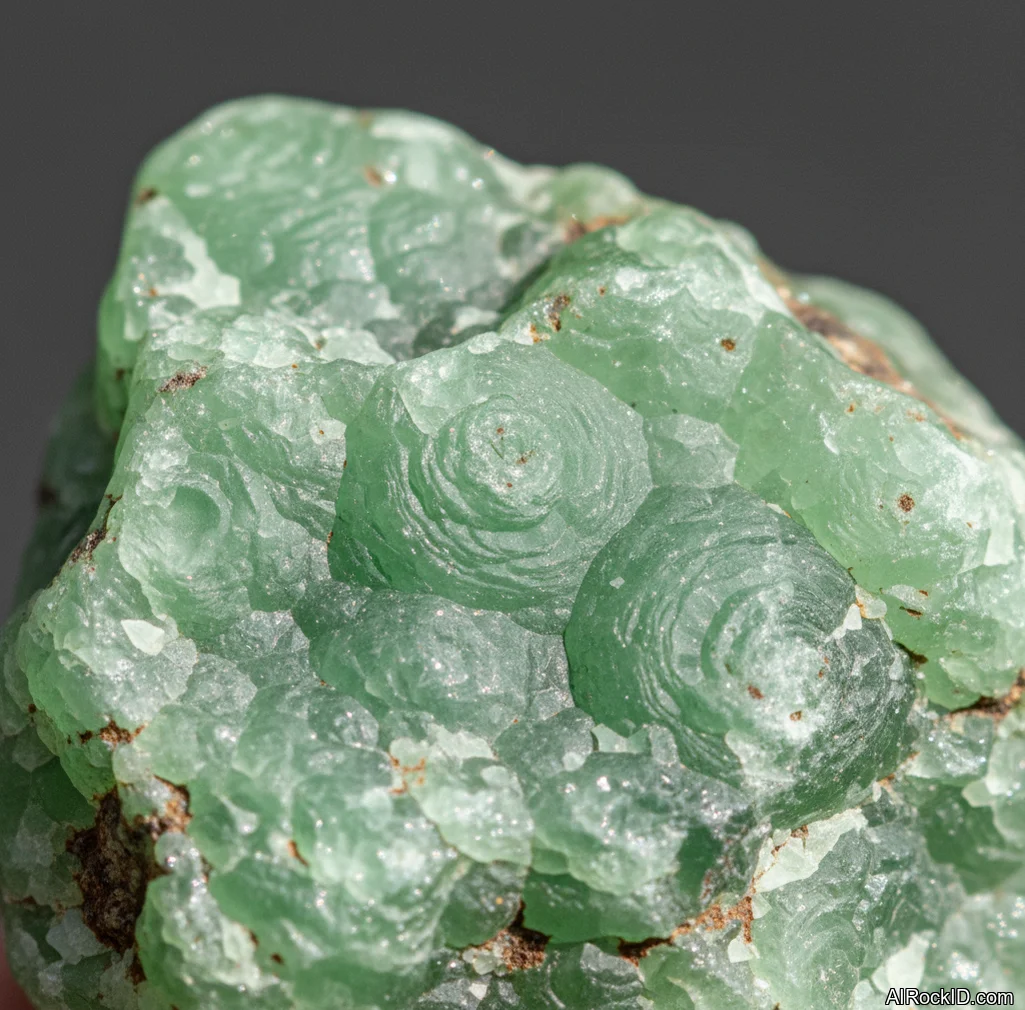
Garnierite is that nickel-rich, green serpentine-group stuff (and yeah, it’s often a mixed bag of phyllosilicates) that shows up in lateritic nickel deposits. In your hand it’s usually got this slightly soapy feel, kind of like polished soapstone. And the best chunks? They hit this juicy apple-green that can look almost fake under show lights.
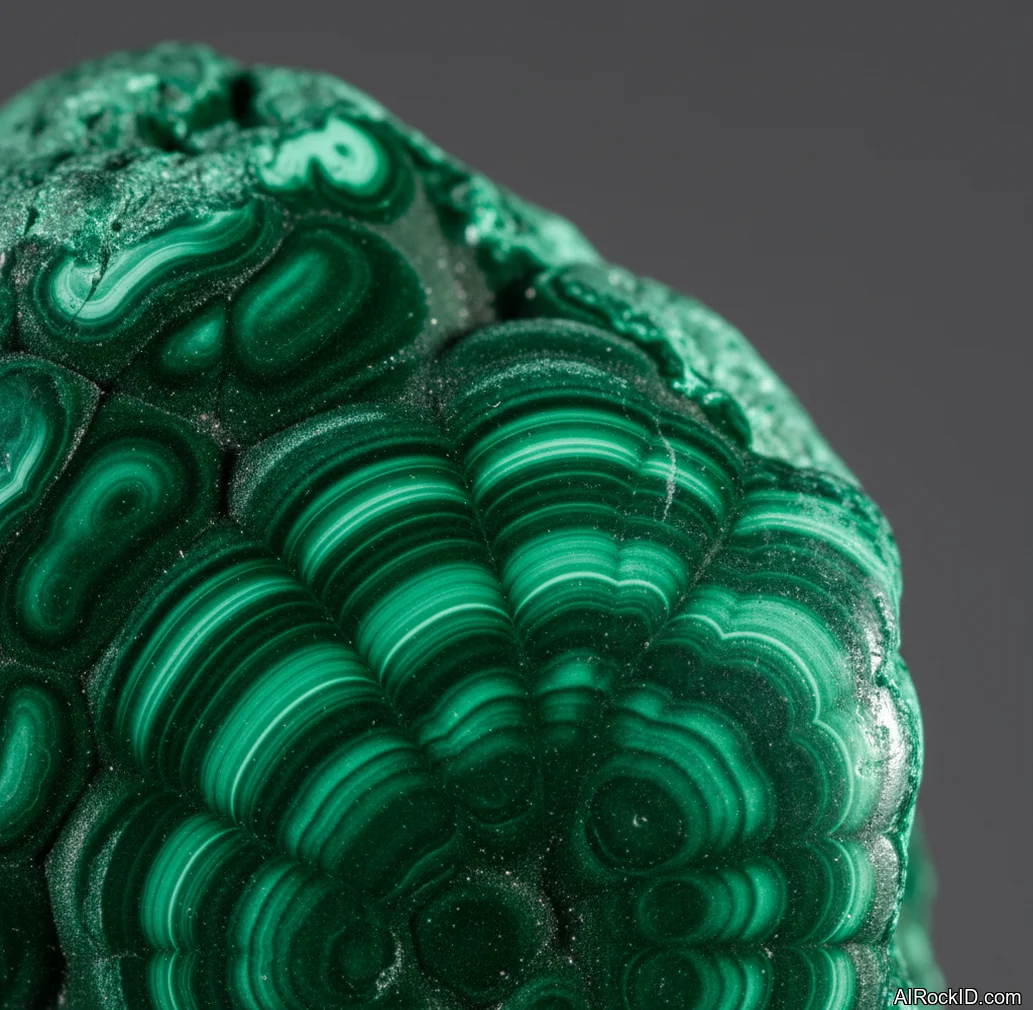
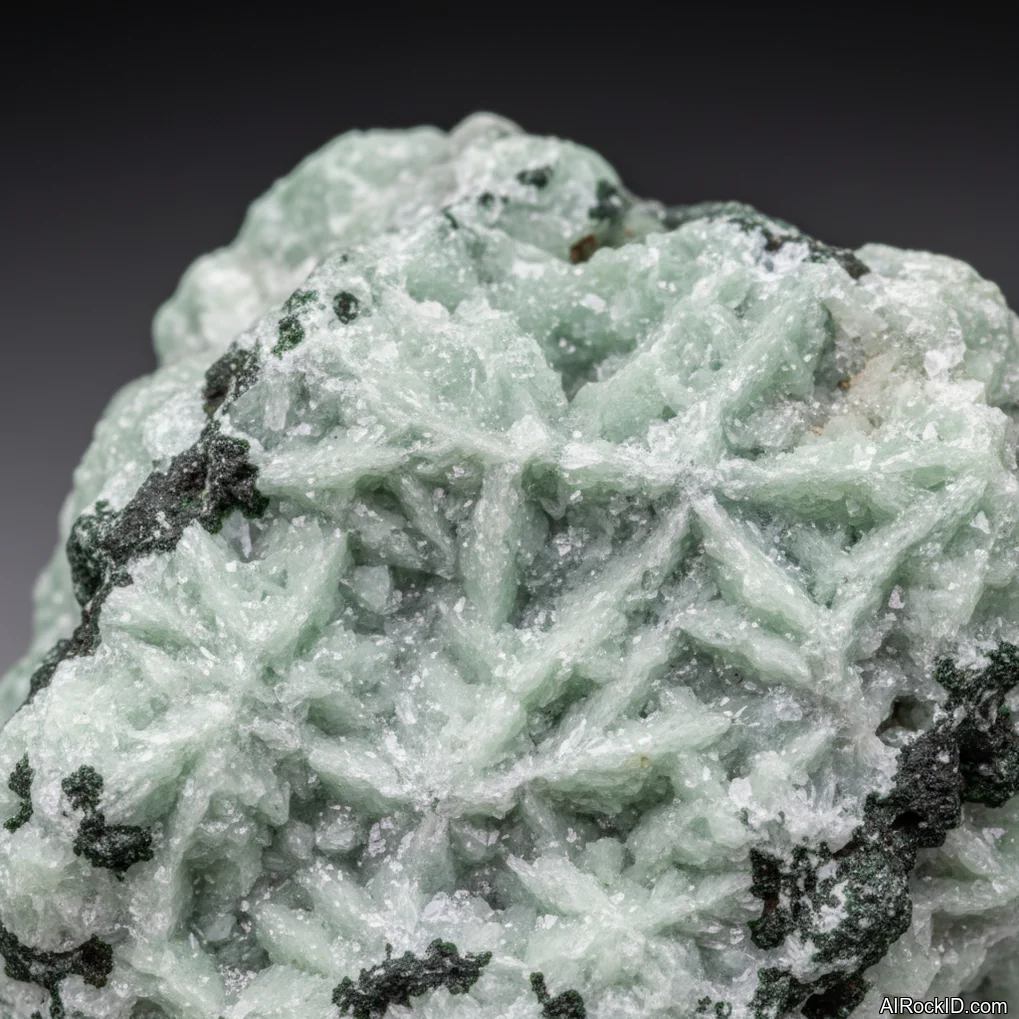
People see the color and assume they’re about to find crystals. But garnierite almost never gives you clean crystal faces. It shows up more as seams, botryoidal crusts, or just chunky masses running through brown limonite or a pale host rock. If you’ve ever picked up a polished slab, you know the look: swirls and blotchy patches, basically green marble vibes, except the surface stays a little waxy instead of going properly glassy.
Most of the pieces you’ll see for sale are tumbled, carved, or cut into cabs, since the rough can get crumbly around the edges. I’ve handled plenty where the middle took a beautiful polish, then the rim fought back and started to undercut because one layer’s softer than the next (annoying, right?). That’s just garnierite being garnierite.
Origin & History
1874 is the date that matters. Garnierite got its first proper description from the French geologist Jules Garnier, who was working out in New Caledonia right when the nickel laterites there were starting to get people in mining talking.
It’s named, plainly, after Garnier himself. And it stuck for a simple reason: that green, nickel-bearing stuff was hard to miss in the field, the kind of smear-green coating you’d spot on broken rock and fresh faces and immediately think “ore.” Thing is, collectors sometimes treat “garnierite” like it’s one neat, single mineral species, but it’s really more of a mining label, which is why the same name gets slapped on a few slightly different mixtures of green nickel silicates.
Where Is Garnierite Found?
It shows up in tropical to subtropical laterite nickel districts, especially New Caledonia and parts of Indonesia and the Philippines. You’ll also see material from Australia, Madagascar, and a few other nickel belt areas.
Formation
Raw chunks from laterite zones tell the story fast. Garnierite shows up when ultramafic rocks like peridotite and serpentinite get hammered by weathering, nickel gets mobilized, and then it ends up re-deposited in fractures and porous pockets as nickel-bearing phyllosilicates.
Compared to a hard primary ore mineral, this is basically what you get after a long stretch of wet, near-surface chemistry. The green seams often sit right up against brown limonite and iron oxides. And look, if you’ve ever split open a laterite nodule with a rock hammer, you know the color flips can happen every centimeter. One patch goes pale mint, the next turns deep bluish green, then it slides back into tan clay (like someone smeared it in). Weirdly satisfying, honestly.
How to Identify Garnierite
Color: Color runs mint green to apple green, sometimes with bluish or yellowish tones, usually in mottled patches or vein-like seams. The green is from nickel, so it tends to look “cool” rather than grassy.
Luster: Typically waxy to dull, especially on broken surfaces; polished pieces can look satiny.
Pick up a piece and rub your thumb across it. Real garnierite often feels slightly slick or soapy, not glassy like dyed quartz. If you scratch it with a steel needle, many pieces will mark pretty easily, but the hardness can jump around in layered material. The problem with a lot of “garnierite” jewelry online is it’s sometimes dyed magnesite or dyed howlite, and those tend to show color pooled in pits or drill holes.
Properties of Garnierite
Physical Properties
| Crystal System | Monoclinic |
| Hardness (Mohs) | 2.5-4 (Soft (2-4)) |
| Density | 2.2-2.8 g/cm3 |
| Luster | Waxy |
| Diaphaneity | Opaque |
| Fracture | Uneven |
| Streak | white to pale green |
| Magnetism | Non-magnetic |
| Colors | mint green, apple green, yellow-green, bluish green, pale green, green with brown matrix |
Chemical Properties
| Classification | Silicates (phyllosilicate mixture; serpentine-group related) |
| Formula | (Ni,Mg)3Si2O5(OH)4 (approximate; variable mixture) |
| Elements | Ni, Mg, Si, O, H |
| Common Impurities | Fe, Co, Mn, Al, Cr |
Optical Properties
| Refractive Index | 1.56-1.58 |
| Birefringence | 0.005-0.015 |
| Pleochroism | Weak |
| Optical Character | Biaxial |
Garnierite Health & Safety
Handling it and putting it on display is pretty low risk. But once you start cutting, grinding, or drilling it, that’s when you can kick up hazardous dust (the fine, floaty stuff that hangs in the air and ends up on your fingers). Nickel can also set off skin reactions in some people, so if you’re the reactive type, wash your hands after touching it.
Safety Tips
Wear a real respirator if you’re going to work with it, and keep the dust down by wet cutting (you’ll see the slurry instead of that dry powder floating around). And if nickel makes your skin itchy or blotchy, don’t keep it pressed against you for hours. Skip wearing it as a tight bracelet, too.
Garnierite Value & Price
Price Range
Rough/Tumbled: $5 - $80 per piece
Cut/Polished: $2 - $15 per carat
Prices jump around depending on color and how solid the stone feels in your hand. Clean, even apple-green cab material costs more, but the stuff with mixed brown matrix or that crumbly seam material (the kind that flakes a little on the edge when you cut it) stays cheap.
Durability
Nondurable — Scratch resistance: Fair, Toughness: Fair
It can bruise and scratch easily, and layered material may undercut or chip along softer seams.
How to Care for Garnierite
Use & Storage
Keep it in a separate pouch or a divided box so harder stones don’t scratch it up. And don’t toss it loose in a pocket with keys, it’ll come back looking cloudy.
Cleaning
1) Rinse quickly in lukewarm water with a drop of mild soap. 2) Use a soft toothbrush only on smooth areas, not crumbly seams. 3) Pat dry and let it air-dry fully before storing.
Cleanse & Charge
If you do energy cleansing, stick to gentle stuff like smoke, sound, or leaving it on a shelf away from sun. Long soaks aren’t needed and can bother softer, layered pieces.
Placement
Look closely at the surface before you set it on a hard stand. A felt pad under it keeps the polish from getting scuffed, especially on display slabs.
Caution
Skip ultrasonic cleaners, steam, and harsh acids. And don’t park it in direct sun for hours on end, because some pieces will start to look a little washed out after a while (you’ll notice the color losing that crisp edge).
Works Well With
Garnierite Meaning & Healing Properties
Compared to a lot of green stones, garnierite just feels quieter to me. When I’m turning it over in my hand at the shop, it comes off steady and patient, not that buzzy, pingy vibe you get from a bright green fluorite that almost feels like it’s vibrating back at you. And the texture matters. It’s got that waxy, kind of soft surface, the sort that makes you instinctively ease up because you’re not going to clack it around like quartz without leaving little scuffs.
Most dealers toss it into the “heart stuff” bucket just because it’s green. Fair enough. For me, I reach for it alongside practical habits, like journaling, or that hard conversation you’ve been avoiding (you know the one), because it leans you toward calm honesty instead of kicking up a huge emotional swell. But it’s not medicine. If you’re dealing with anxiety or depression, crystals are support at best, not the plan.
But here’s where people get tripped up. A lot of what’s sold as garnierite is really nickel-rich serpentine mixed with other soft layers, and yeah, it can chip if you carry it every day. So, if you want it as a pocket stone, hunt for a denser piece with fewer crumbly edges, the kind that doesn’t shed little dusty bits when you rub your thumb over a corner. The real test is whether it still feels good after a week of handling, not whether it looks flawless on day one.
Identify Any Crystal Instantly
Snap a photo and get properties, value, care instructions, and healing meanings in seconds.