Gem Silica
What Is Gem Silica?
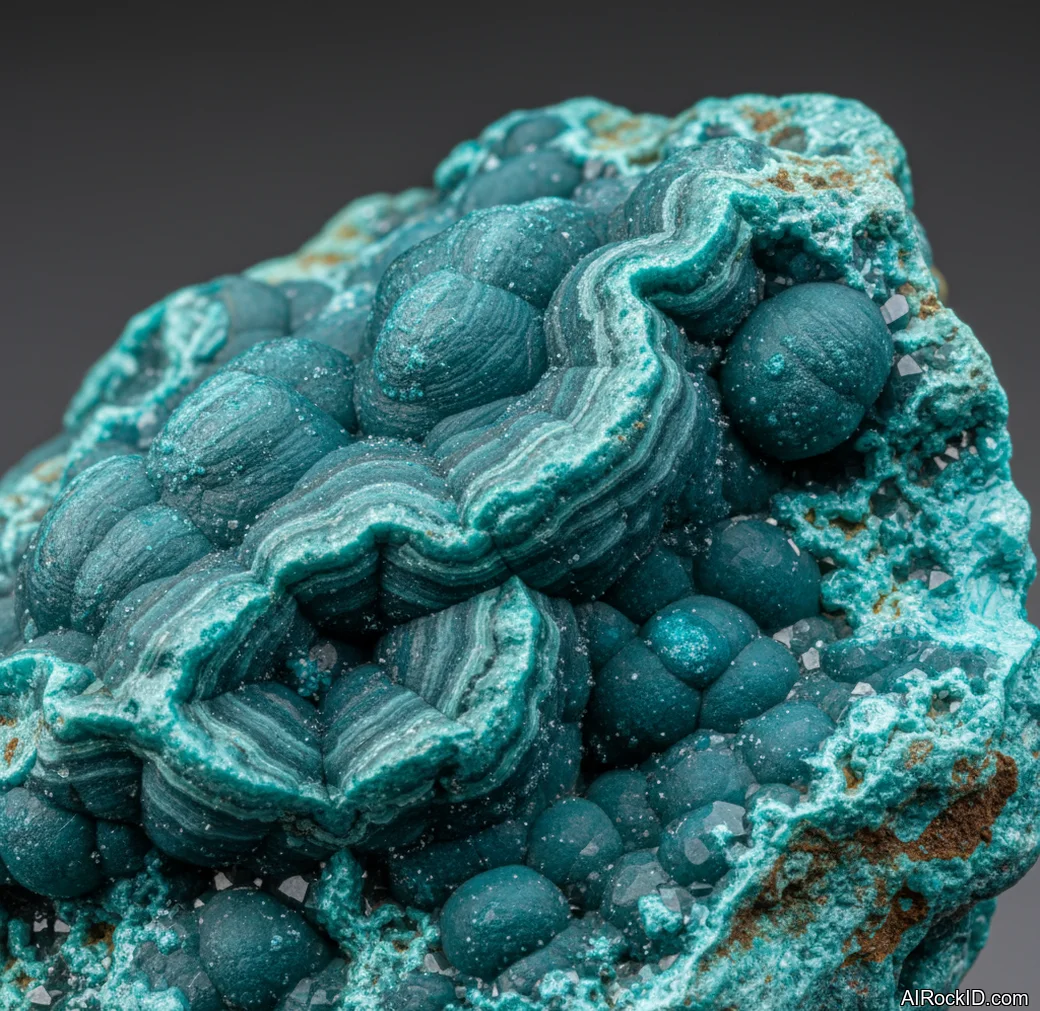
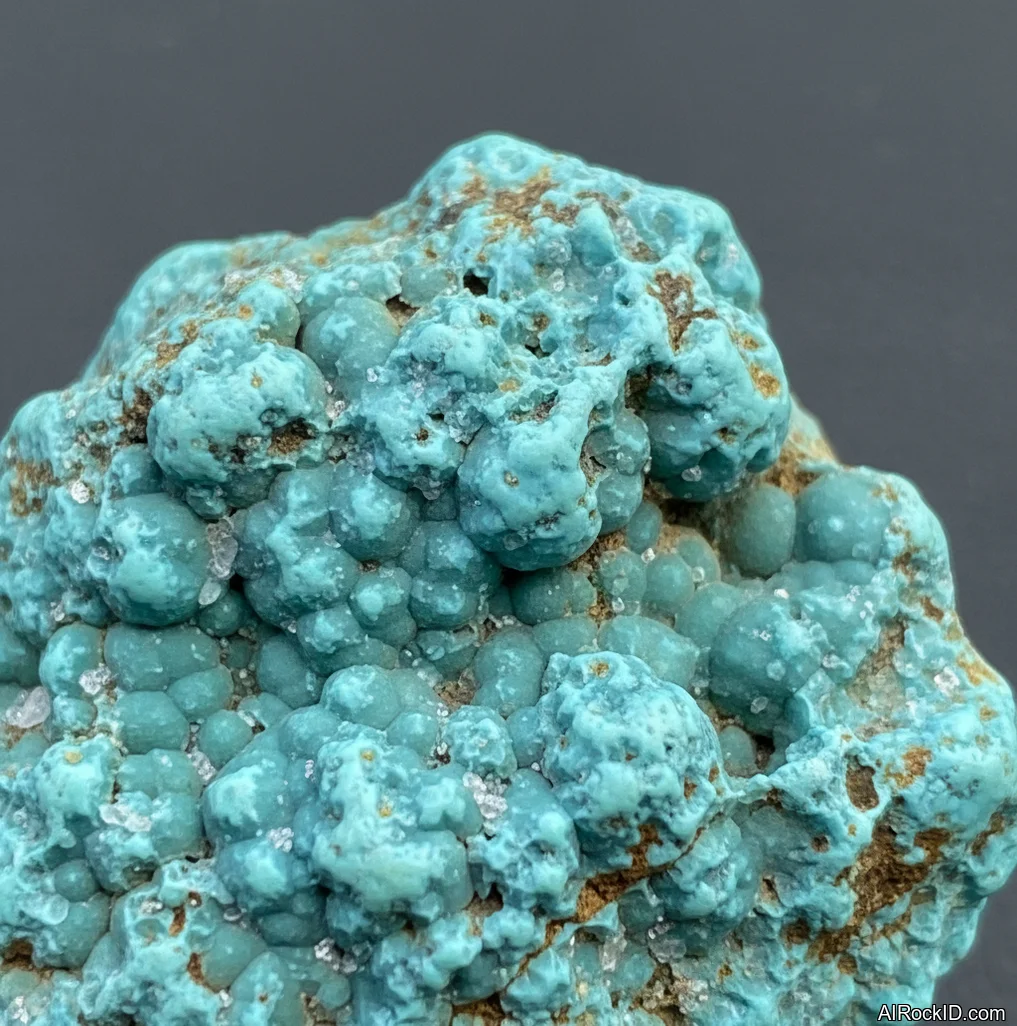
Gem Silica is blue to blue-green chalcedony (microcrystalline quartz) colored by copper, and it’s often tied up with chrysocolla and sold as a gem material.
Pick up a polished cab and you’ll get it fast. It has that cool, slick quartz feel right away, like it’s been sitting in the shade. And the color? More like shallow tropical water than “blue,” especially when you tip it under a point light and it flashes brighter along the curve. Most pieces aren’t dead-even, either. You’ll spot soft clouds, little milky swirls (almost like smoke in glass), and sometimes a faint, webby look where silica gel hardened around older copper minerals. Tiny details. The kind you only notice when it’s actually in your hand.
But here’s the catch: a lot of material gets tagged “gem silica” that’s really just chrysocolla, stabilized chrysocolla, or dyed chalcedony. Real gem silica has the hardness and clean, crisp polish you expect from quartz. It won’t feel chalky if you drag a fingernail across it. That test sounds simple, but it tells you a lot, doesn’t it?
Origin & History
“Gem silica” is a trade name, not an official mineral species. It came out of the copper-mining scene in the American Southwest, where silica-rich fluids moved through the rock and basically swapped out copper minerals for gemmy chalcedony. In older lapidary jargon you’ll run into “chrysocolla chalcedony” or “silicified chrysocolla,” and honestly that’s closer to what the material really is.
A lot of the early excitement was tied to Arizona rough, especially from around the Inspiration Mine area near Globe. The good stuff would take a true mirror polish (the kind where you can see a sharp reflection, not a hazy shine) and it held that electric blue-green without washing out into dead gray. And dealers have been bickering about what should count as “true” gem silica ever since, usually hunched over a glass case at a show, pointing at cabochons and squinting like it’s a courtroom.
Where Is Gem Silica Found?
It shows up in oxidized zones of copper deposits, especially in the Southwest US and northern Mexico, with smaller pockets from Andean copper belts and a few African and Australian copper districts.
Formation
Most of the really good material shows up where copper deposits are breaking down up near the surface. The copper minerals start to fall apart, groundwater picks up a load of copper, and silica tags along too. When the chemistry lines up, that silica turns into a gel and then microcrystalline quartz drops out of solution, locking in the copper color, sometimes sitting right next to chrysocolla like they grew up together.
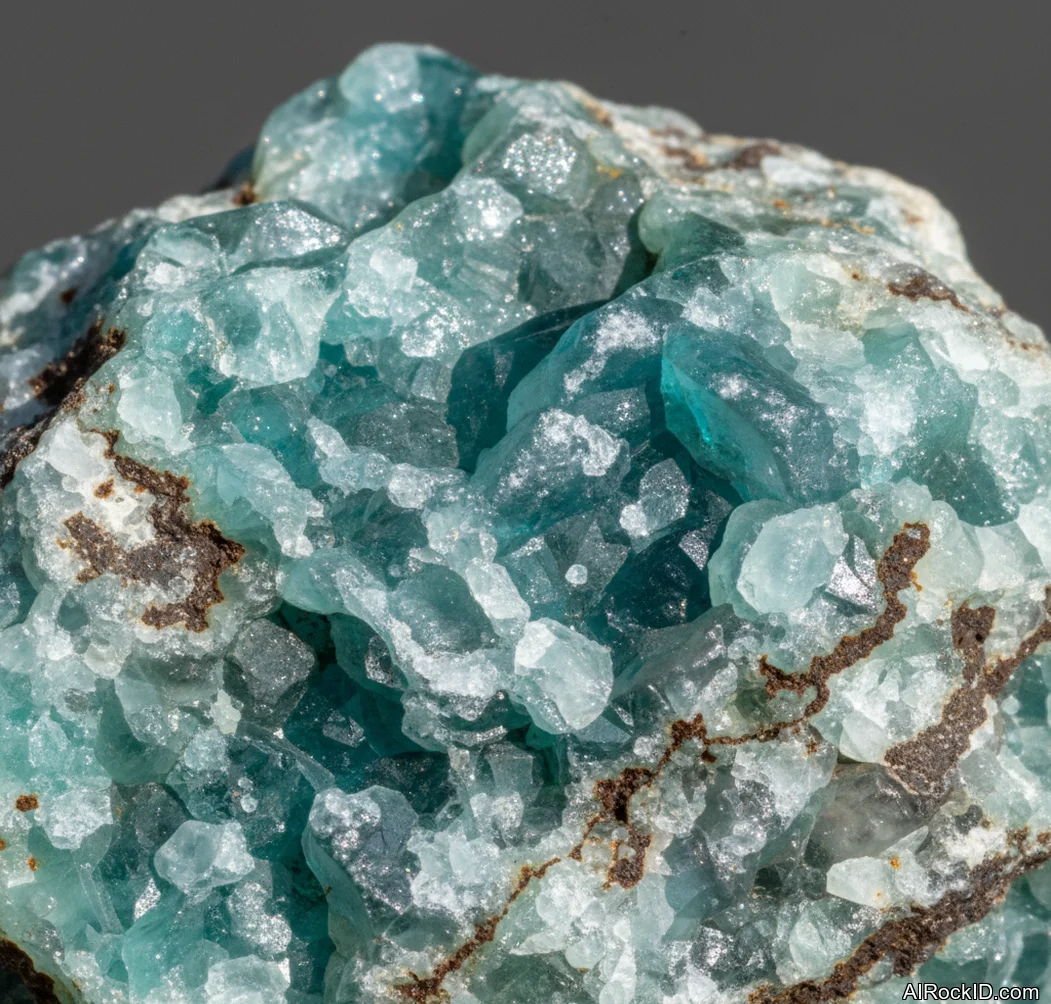
If you stare at the rough for a minute, you can usually read what happened. There’s that brown, iron-stained host rock, little crusty bits of limonite stuck in cracks, and then a blue-green seam where silica has flat-out replaced whatever was there before. And yeah, some chunks have a dead-looking outer skin that stays kind of chalky. But cut past it and the inside goes glassy and a little translucent, which is why anyone bothers in the first place.
How to Identify Gem Silica
Color: Colors run blue, blue-green, and green, usually from copper. The best color looks “watery” and stays bright even in thicker sections instead of turning muddy.
Luster: Waxy to vitreous when polished, with a clean quartz-like shine.
If you scratch it with a steel blade and it doesn’t bite easily, that’s a good sign, because quartz-based material fights back. The real test is the feel on a polish wheel or even just the look of the polish: true gem silica takes a crisp, glassy finish, while soft chrysocolla often looks slightly matte or undercut. And if the color looks too uniform and neon, assume dye or stabilization until you’ve got proof.
Properties of Gem Silica
Physical Properties
| Crystal System | Trigonal |
| Hardness (Mohs) | 6.5-7 (Hard (6-7.5)) |
| Density | 2.58-2.64 g/cm3 |
| Luster | Waxy |
| Diaphaneity | Translucent |
| Fracture | Conchoidal |
| Streak | White |
| Magnetism | Non-magnetic |
| Colors | Blue, Blue-green, Green, Greenish blue |
Chemical Properties
| Classification | Silicates |
| Formula | SiO2 |
| Elements | Si, O |
| Common Impurities | Cu, Fe, Al |
Optical Properties
| Refractive Index | 1.530-1.540 |
| Birefringence | None |
| Pleochroism | None |
| Optical Character | Uniaxial |
Gem Silica Health & Safety
It’s safe to handle, and it’s fine around water in normal day-to-day use. But like any silica-based stone, the one thing to watch out for is the dust that kicks up if you’re cutting or grinding it (that dry, chalky stuff that seems to get everywhere).
Safety Tips
Use wet cutting and wear a proper respirator when you’re doing lapidary work. Dry dust is no joke, and you can feel it stick in your throat if you mess around. So keep things wet, and when you’re done, wipe up the slurry with a damp rag or paper towels instead of sweeping it up dry (that just kicks it back into the air).
Gem Silica Value & Price
Price Range
Rough/Tumbled: $20 - $300 per gram (fine rough), or $50 - $1500 per piece depending on size and color
Cut/Polished: $20 - $120 per carat
Price shoots up fast when the rough is actually translucent, a clean pure blue, and thick enough in the hand to cut bigger cabs without it going paper-thin at the edges. And most dealers get pretty firm on the number once it’s been proven quartz-based, not soft chrysocolla or something that’s been heavily stabilized.
Durability
Durable — Scratch resistance: Good, Toughness: Good
It’s generally stable like quartz, but thin edges and high domes can still chip if you knock them against a countertop.
How to Care for Gem Silica
Use & Storage
Store it like you’d store opal or fine turquoise cabs: separated, so harder stones don’t scuff the polish. A little gem jar or a padded compartment works great.
Cleaning
1) Rinse with lukewarm water. 2) Use a drop of mild soap and your fingers or a soft brush to lift skin oils. 3) Rinse again and pat dry with a soft cloth.
Cleanse & Charge
If you do the metaphysical side, a quick rinse and a dry rest on a shelf is plenty. Avoid salt bowls if the piece has any porous matrix attached.
Placement
I keep gem silica out of direct window sun mostly to protect the display, not because it instantly fades. Put it where you can backlight it a bit, because translucence is half the show.
Caution
Don’t toss mounted pieces into an ultrasonic cleaner. And don’t just assume every bit of “gem silica” is quartz-hard until you actually test it. Some of it is softer chrysocolla, and that stuff can scratch fast and even get undercut in a setting (you’ll see the edges start to look chewed up).
Works Well With
Gem Silica Meaning & Healing Properties
People grab gem silica when they want a calm color that still feels awake. It’s clean-looking, not washed out. And when I’m working a tray at a show, leaning over those little foam slots under the harsh booth lights, I catch myself breathing slower if I land on a really good translucent cab. Like my eyes finally found somewhere to sit.
In crystal-healing circles, people link it to communication and cooling off emotional heat. Probably because it has that copper-mineral vibe, even though the body is quartz. I’ve heard plenty of folks use it while they journal, when they’ve got a hard conversation coming up, or when they’re trying to stop steamrolling everyone at dinner. (Who hasn’t been there?) Keep it practical: if it helps you set a tone, great. But it’s not medical care, and it won’t replace a real plan.
Thing is, gem silica itself tends to feel “quiet” next to the flashier stones. But the market noise around it? Loud. Sellers slap the name on all kinds of blue material, so part of working with it is learning how to spot what you actually bought, and not getting soured by the whole label game.
Identify Any Crystal Instantly
Snap a photo and get properties, value, care instructions, and healing meanings in seconds.