Izumo Zeolite
What Is Izumo Zeolite?
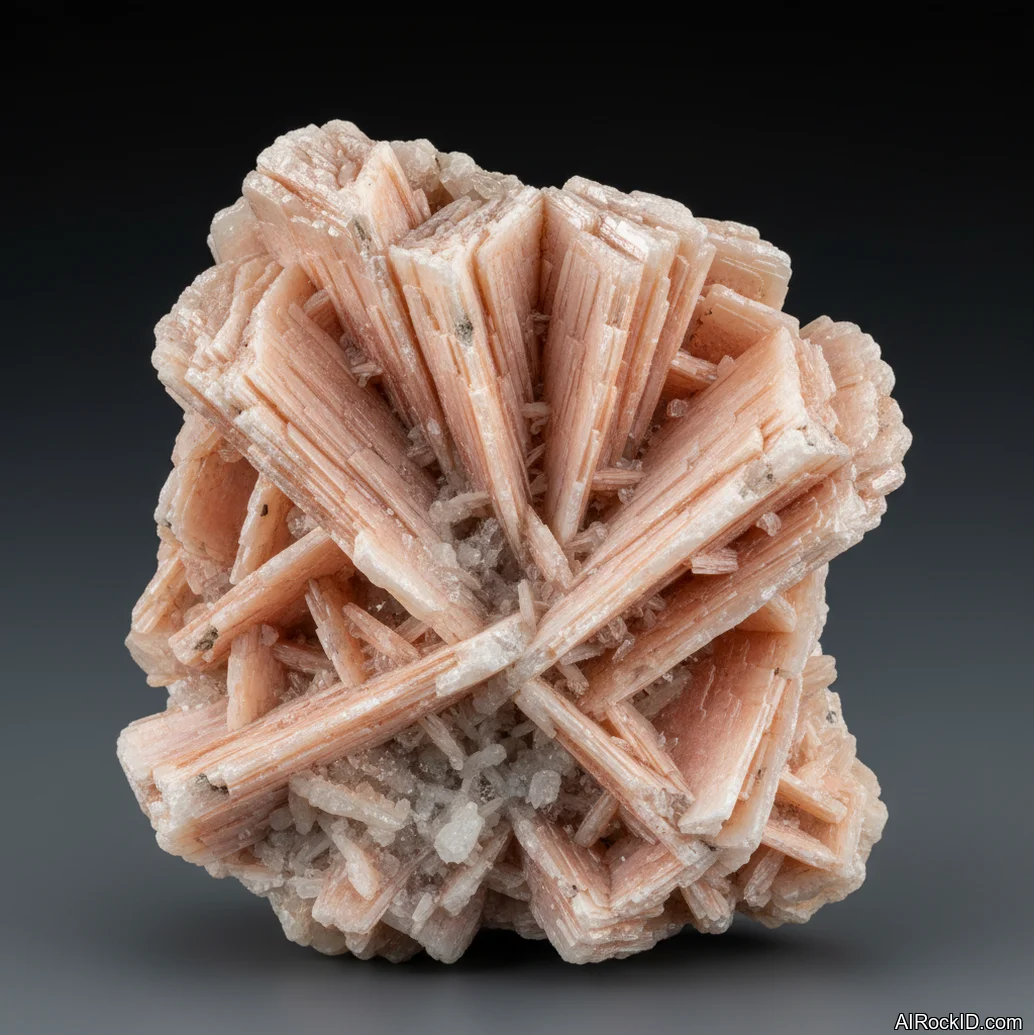
Izumo Zeolite is a Japanese, zeolite-rich volcanic tuff, and it’s usually dominated by minerals from the clinoptilolite–heulandite series. In your hand it feels lighter than you’d expect, sort of like a dry pumice that never really got fully frothy. Rub your thumb across it and you notice that chalky-sugary grip right away.
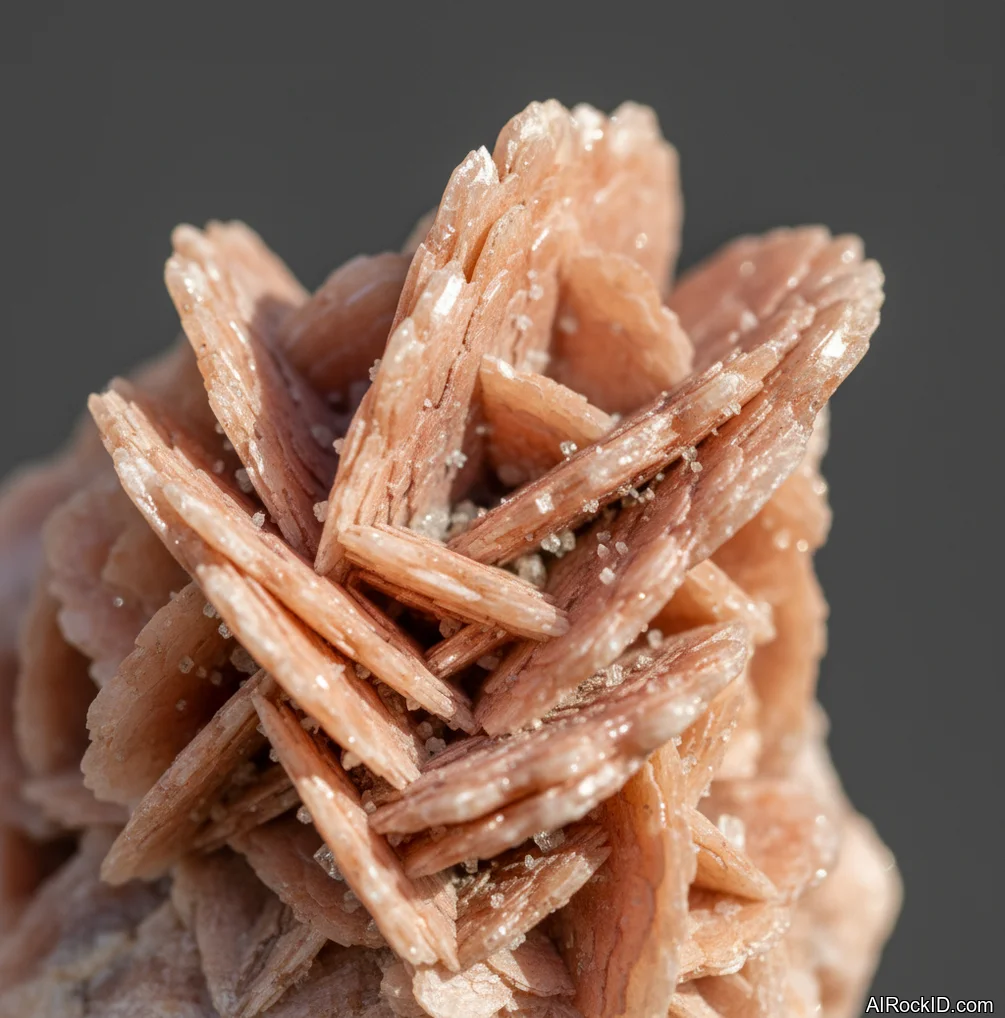
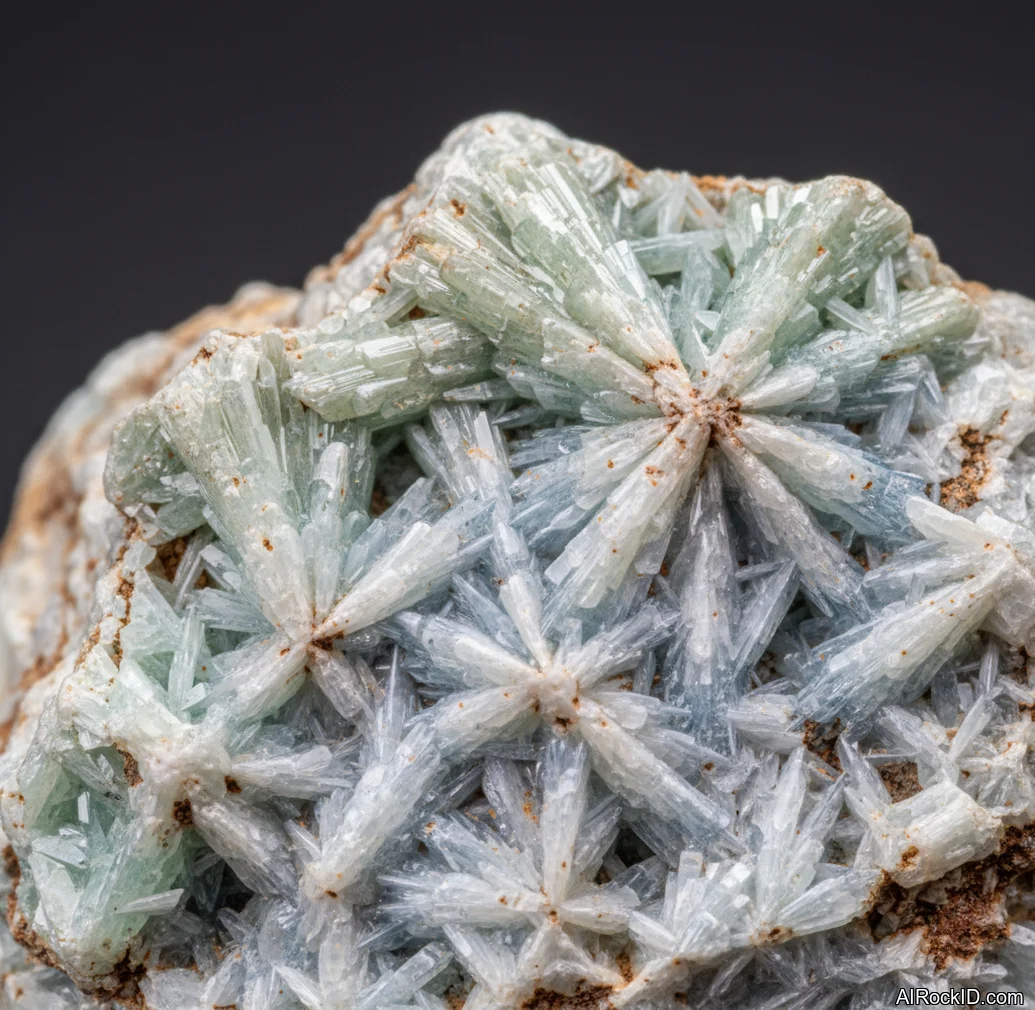
Most pieces look pretty plain at first. Creamy white, light gray, sometimes with a warm tan tint. But tip it under a lamp and you’ll catch little flashes from cleavage faces in the zeolite grains, especially along fresh breaks and sharp edges. I’ve handled plenty of “Izumo” at shows that’s basically just pale tuff with a zeolite label slapped on it, so I always watch for that slightly sparkly, granular look instead of a dead, dusty rock. That’s the tell.
Dealers usually sell it as rough chunks or cut blocks. And yeah, sitting next to showy stilbite sprays or big apophyllite, it can seem kind of boring. Thing is, the draw is more tactile and practical than flashy. It’s porous. It breathes. And when it’s freshly broken, it has that clean mineral smell you get from other zeolite tuffs (you know the one, right?).
Origin & History
Izumo Zeolite is basically a place name and a trade label. It points back to the Izumo area in Shimane Prefecture, Japan, where you actually get zeolitized volcanic ash and tuff deposits in the ground (that pale, ashy stuff that breaks along soft, chalky faces when you handle it).
The zeolite minerals in question, especially clinoptilolite and heulandite, were already described in Europe in the 1800s. But “Izumo zeolite” as a name? That’s a newer, market-facing tag that grew out of Japanese industrial and consumer use.
So in Japan you’ll mostly hear about it in pretty practical terms: adsorption and filtration. Clinoptilolite-type zeolites are the workhorses there, and that’s why the name keeps popping up. And collectors usually stumble into it later, once it drifts into mineral shops as cut “plates,” bath stones, or those chunky specimens meant for home use (the kind that feel oddly light for their size, and leave a bit of grit on your fingers).
Where Is Izumo Zeolite Found?
It’s sourced from zeolitized volcanic tuff deposits in and around the Izumo area of Shimane Prefecture in western Honshu, Japan.
Formation
Volcanic ash doesn’t stay ash forever, not if the chemistry lines up. In tuff layers, groundwater and hydrothermal fluids work their way through the pores and start swapping ions around. Give it enough time and that glassy volcanic material shifts into zeolites, usually clinoptilolite or heulandite in this kind of setting.
Look, if you grab a chunk you can almost see the story in the texture. It’s not that one neat crystal shape you’d expect from a zeolite that grew in an open cavity. It’s a whole rock matrix where tons of tiny zeolite grains have replaced the original ash, so the break surfaces come off crumbly, with little ragged edges, and if you fuss with a fresh fracture too much you’ll end up with that gritty powder on your fingertips (and stuck in the little lines of your skin).
How to Identify Izumo Zeolite
Color: Usually pale cream, off-white, light gray, or tan, sometimes with faint rusty staining along fractures. Color is typically uniform rather than banded.
Luster: Dull to waxy overall, with small pearly flashes on fresh broken surfaces where cleavage faces catch the light.
Pick up a piece and notice the weight. It tends to feel light for its size because it’s porous tuff, not a dense crystal chunk. If you scratch it with a copper penny or a steel nail, it’ll mark pretty easily, and the scratch often looks powdery rather than clean. The real test is the texture: real zeolitized tuff has that fine granular, slightly sparkly break, not a smooth ceramic-like surface.
Properties of Izumo Zeolite
Physical Properties
| Crystal System | Monoclinic |
| Hardness (Mohs) | 3.5-4 (Soft (2-4)) |
| Density | 2.1-2.2 g/cm3 |
| Luster | Waxy |
| Diaphaneity | Opaque |
| Fracture | Uneven |
| Streak | White |
| Magnetism | Non-magnetic |
| Colors | Cream, Off-white, Light gray, Tan, Buff |
Chemical Properties
| Classification | Silicates (tectosilicates, zeolite group) |
| Formula | (Na,K,Ca)2-3Al3(Al,Si)2Si13O36·12H2O (clinoptilolite, common in zeolitized tuff) |
| Elements | Na, K, Ca, Al, Si, O, H |
| Common Impurities | Fe, Mg |
Optical Properties
| Refractive Index | 1.480-1.505 |
| Birefringence | 0.010-0.015 |
| Pleochroism | None |
| Optical Character | Biaxial |
Izumo Zeolite Health & Safety
Handling it is pretty low risk. But if you’re sawing, grinding, or really going at it with sandpaper and you can see that fine dust hanging in the air (or settling on your sleeves), don’t breathe it in. The main problem is basic irritation, not poisoning.
Safety Tips
If you’re going to cut or drill it, put on a P2/N95-style mask (the kind that actually seals around your nose) and then rinse the piece afterward so any loose powder gets washed off instead of floating around in the air.
Izumo Zeolite Value & Price
Price Range
Rough/Tumbled: $8 - $60 per piece
Price mostly comes down to size, how clean the cut faces look, and whether it’s actually tagged as Izumo instead of some vague “Japanese zeolite” label. Big, tidy blocks cost more. Crumbly, rough pieces don’t. And you can usually tell at a glance, too, because the nicer cuts have those sharp edges and flat faces that don’t shed grit all over your fingers when you pick them up.
Durability
Nondurable — Scratch resistance: Fair, Toughness: Poor
It’s stable in normal room conditions, but the porous tuff can chip and shed grit if it gets knocked around.
How to Care for Izumo Zeolite
Use & Storage
Store it where it won’t get banged up, because edges chip easily. I keep mine in a flat tray with padding since the gritty bits can rub off onto nicer specimens.
Cleaning
1) Rinse briefly under cool running water. 2) Use a soft brush to lift dust out of pores without digging in. 3) Pat dry and let it air-dry fully before putting it back in a closed box.
Cleanse & Charge
If you use it in a metaphysical way, a simple rinse and a night of air drying is plenty. Avoid salt soaks since salt can crust in pores and look messy.
Placement
Set it somewhere dry with good airflow if you’re using it as a room stone. On a shelf, a small stand helps keep the crumbly face from grinding against wood.
Caution
Don’t toss it in the dryer, and don’t hit it with harsh acids or bleach. If you’re getting it because it’ll touch water, think of it like a mineral specimen, not some regulated filter media.
Works Well With
Izumo Zeolite Meaning & Healing Properties
People grab Izumo Zeolite for one main feel: clean, airy, uncluttered. In my shop, it’s the stone that gets picked up by people who don’t want flashy. They want something plain. Solid. And yeah, it reads that way the second you hold it. It’s got that dry, porous, almost breathy texture in your hand, like a lightweight tuff that doesn’t try to impress but still feels purposeful.
Look, I’m going to keep this grounded. Any “healing” talk here is personal and spiritual, not medical. But I get why zeolites ended up in the wellness aisle in the first place. In the real world, they’re known for adsorption and ion exchange, so the metaphor kind of writes itself. When someone tells me they use it as a reminder to cut the noise and keep routines simple, I believe them. It matches how the material behaves and how it looks sitting on a shelf (pale, quiet, no sparkle).
But here’s where it gets messy: some sellers act like all zeolites are the same, or like any pale chunk of tuff is automatically “Izumo.” It’s not. If you’re after the cultural angle, that Japanese locality label is part of the draw, and the more honest sellers will tell you what it actually is: zeolitized tuff dominated by clinoptilolite-type material, not some magical single crystal. I like pairing it with clearer, more crystalline zeolites when I’m teaching, because you can literally feel the difference between a cavity crystal and a replacement rock. Even just rubbing a thumb across the surface tells you what you’re dealing with.
Identify Any Crystal Instantly
Snap a photo and get properties, value, care instructions, and healing meanings in seconds.