Kinoite
What Is Kinoite?
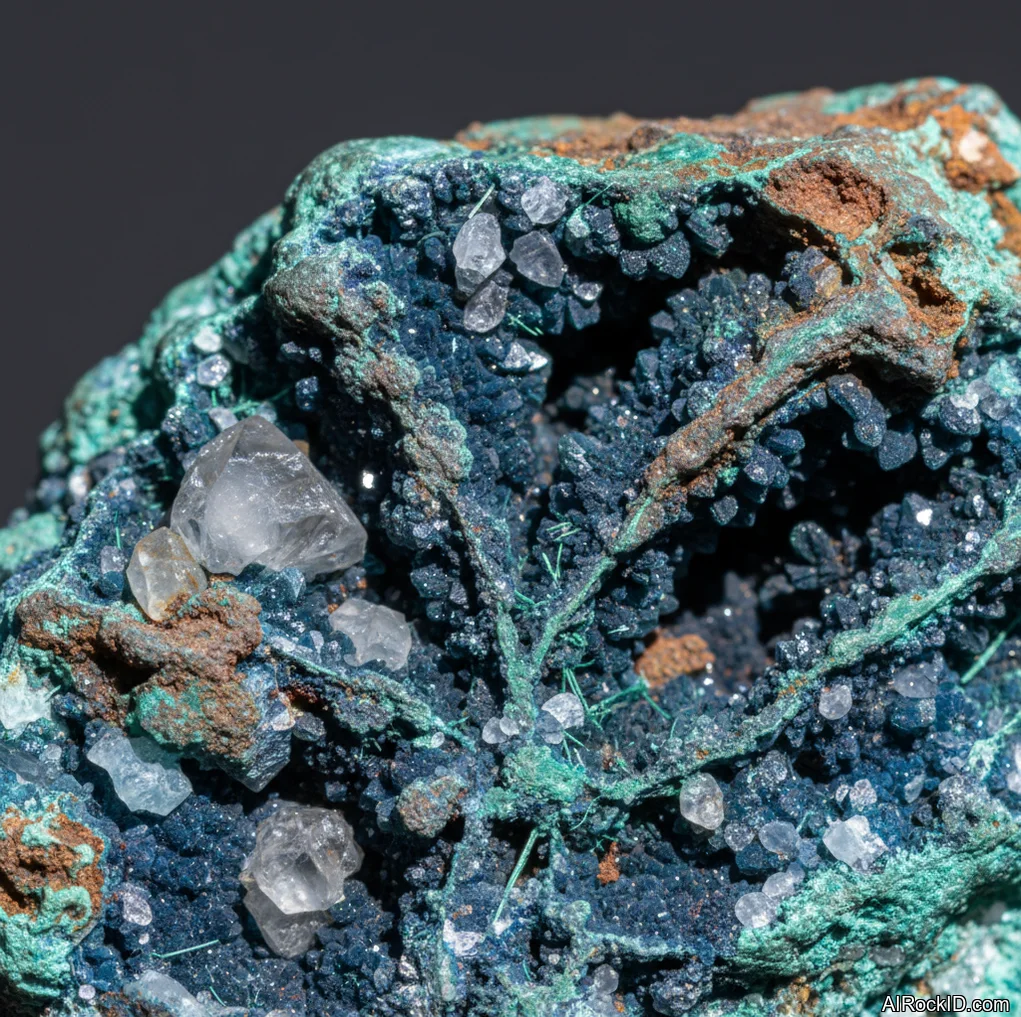
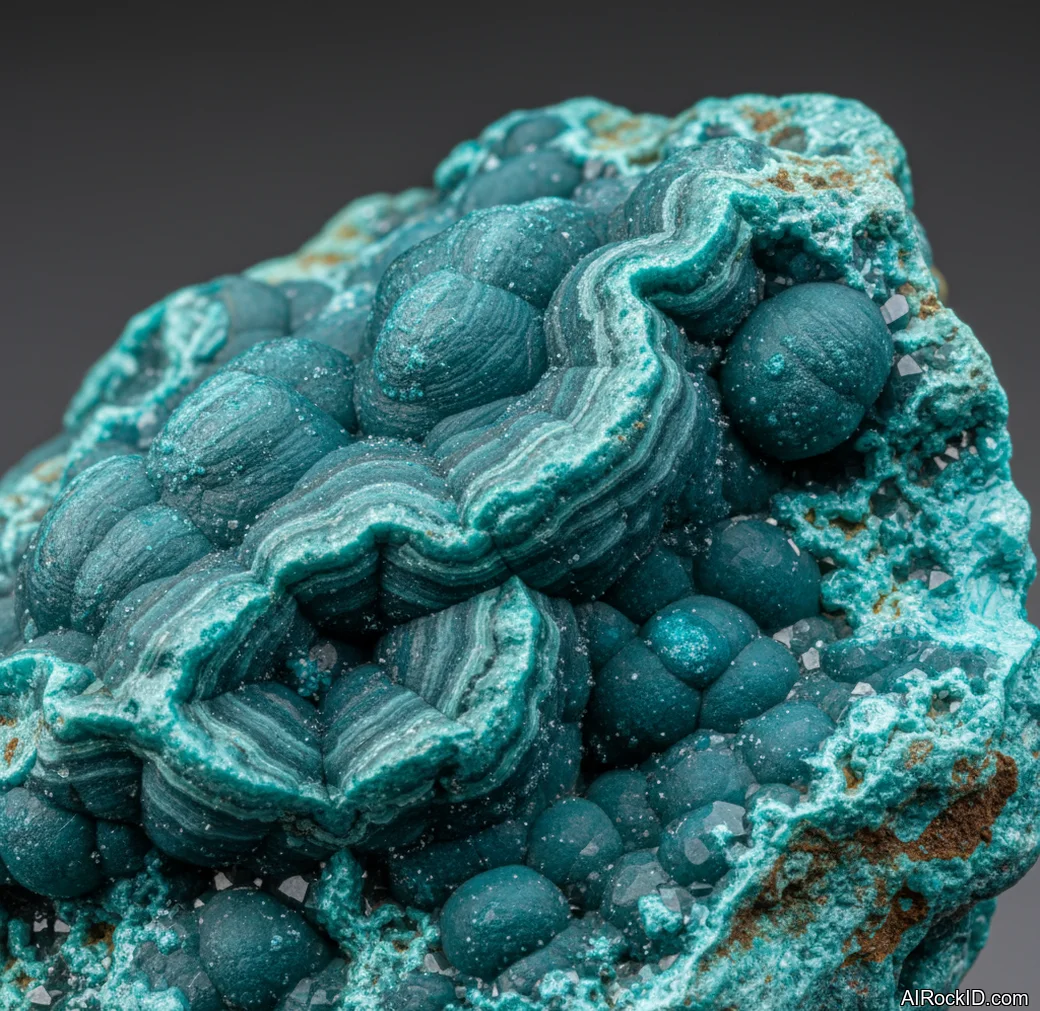
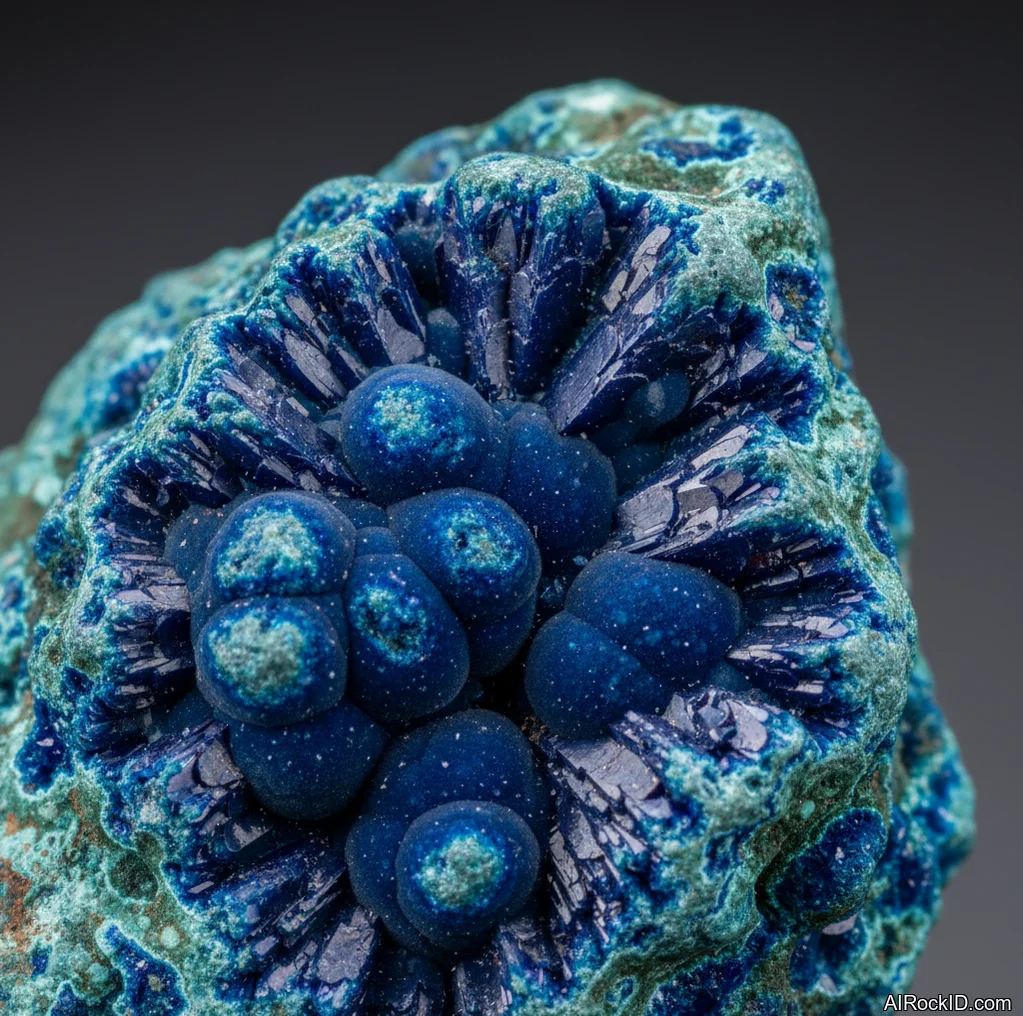
Kinoite is a really rare hydrated copper silicate mineral. It shows up as sky-blue to deep blue crusts, plus those fibrous, radiating aggregates sitting right on the matrix.
If you’ve ever actually picked up a kinoite specimen, the texture hits you first, not the weight. A lot of pieces feel chalky, almost velvety, on the blue areas. And you can tell fast it isn’t one of those hard, glassy copper minerals you can polish up and make shine. Under a bright show light it can look almost electric, but in regular room light it settles into this soft denim blue that’s way more understated.
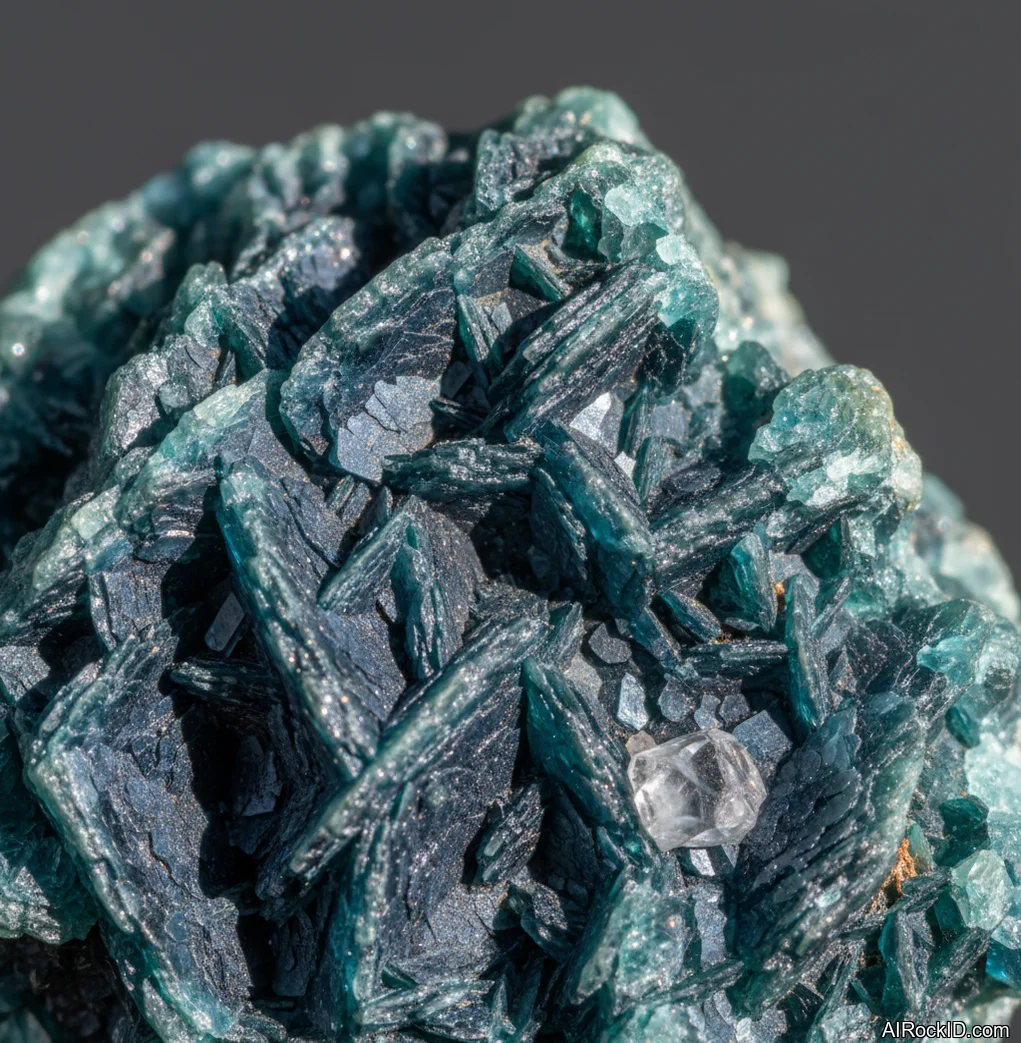
People mix it up with shattuckite, chrysocolla, or even dyed material at first glance. But kinoite usually has that fine fibrous look, like tiny sprays all packed together, and it tends to form a crust with little radiating fans instead of big chunky masses. Most specimens are small, too. So when you run into a thicker plate that’s really well covered, you stop. You stare. (Because those don’t show up every day.)
Origin & History
Arizona is usually the first place people mention when kinoite comes up. The mineral was first described in 1976 from the Christmas mine area near Winkelman in Gila County, Arizona, after collectors kept running into this odd blue copper silicate that just didn’t line up with the usual suspects.
“Kinoite” is named for the Jesuit missionary Eusebio Francisco Kino, who traveled and mapped big stretches of the Southwest and northwestern Mexico in the late 1600s and early 1700s. And honestly, it fits. This stuff turns up in classic desert copper country, where half the fun is the road trip, the dusty backroads, and that fine grit that somehow ends up in your shoes anyway.
Where Is Kinoite Found?
Kinoite is best known from oxidized copper deposits in Arizona and northern Mexico, usually as small blue crusts on matrix.
Formation
Most kinoite forms up in the oxidation zone of copper deposits. Picture oxygen-rich groundwater seeping through old copper workings, that damp rock smell in the air, and then slowly chewing up the earlier minerals and replacing them with a new batch of blue and green stuff.
If you pay attention to what it hangs out with, it clicks. Kinoite turns up alongside other secondary copper minerals like shattuckite, chrysocolla, malachite, azurite, and, now and then, dioptase. It’s part of that late-stage chemical shuffle where copper, silica, and water finally settle into something stable in fractures and vugs. But it’s finicky. You can work the same district for years and only spot it once in a great while (if at all).
How to Identify Kinoite
Color: Most kinoite is light to medium blue, sometimes with a slightly greenish cast, and it often appears as a saturated blue crust against pale matrix.
Luster: Its luster is typically silky to dull on fibrous areas and can look slightly vitreous on denser patches.
Pick up the piece and tilt it under a single point light. Kinoite often flashes a soft, silky sheen across the fibers, while chrysocolla usually looks more waxy and shattuckite tends to look harder and more “crystalline.” The real test is a hand lens: kinoite commonly shows tight radiating sprays and very fine fibers packed into a crust. And don’t do the “scratch test” on a nice specimen, because a lot of kinoite is soft enough to scar or powder at the edges.
Properties of Kinoite
Physical Properties
| Crystal System | Monoclinic |
| Hardness (Mohs) | 2.5 (Soft (2-4)) |
| Density | 2.70-2.90 |
| Luster | Silky |
| Diaphaneity | Opaque |
| Fracture | Uneven |
| Streak | light blue |
| Magnetism | Non-magnetic |
| Colors | sky blue, blue, blue-green |
Chemical Properties
| Classification | Silicates |
| Formula | Ca2Cu5Si6O17·H2O |
| Elements | Ca, Cu, Si, O, H |
| Common Impurities | Fe, Mn |
Optical Properties
| Refractive Index | 1.62-1.67 |
| Birefringence | 0.020 |
| Pleochroism | Moderate |
| Optical Character | Biaxial |
Kinoite Health & Safety
Normal handling is fine. Just don’t do anything that’ll kick up dust. And keep it well away from anywhere you eat or drink (countertops, break rooms, all that).
Safety Tips
If you see crumbly blue spots on a piece, deal with it over a tray so any bits that flake off don’t end up on the floor (or in the carpet, which is a pain). And when you’re done, rinse your hands. Don’t grind it, don’t sand it, and don’t hit it with a rotary tool.
Kinoite Value & Price
Price Range
Rough/Tumbled: $40 - $600 per specimen
Price can swing all over the place depending on coverage and color. A light dusting of blue is usually cheap. But once you’re looking at a thick, even crust with that clean, radiating texture you can actually feel with a fingertip (kind of gritty, not chalky) sitting on solid matrix, the number climbs fast, especially if it came out of a labeled Arizona find.
Durability
Fragile — Scratch resistance: Poor, Toughness: Poor
It can bruise or shed fibers if it rattles around in a box, so it’s a display mineral, not a pocket stone.
How to Care for Kinoite
Use & Storage
Store kinoite in a perky box or a small flat with padding so it can’t bounce. I keep my softer copper minerals in their own drawer because one rough quartz edge will chew them up.
Cleaning
1) Use a soft, dry brush (like a makeup brush) to lift dust from the surface. 2) If it needs more, use a quick rinse with cool water and let it air-dry completely. 3) Skip ultrasonic and steam cleaners, and don’t scrub the blue crust.
Cleanse & Charge
If you do energy-style cleansing, stick to smoke, sound, or a short rest on a clean shelf. Water soaks and salt bowls are a bad idea for fragile copper silicates.
Placement
A stable shelf is better than a windowsill. Put it where it won’t get bumped, and where side lighting can catch that silky fiber shimmer.
Caution
Don’t use harsh chemicals, acids, or household cleaners on kinoite. Just skip anything abrasive too. And whatever you do, don’t toss kinoite in a tumbler.
Works Well With
Kinoite Meaning & Healing Properties
Most people who grab kinoite for spiritual stuff are really chasing that “blue copper mineral” feeling. Calm mind. Cleaner words. That quiet, cool vibe you get from a stone that looks like desert sky right after a quick rainstorm. And yeah, kinoite nails that look.
Thing is, in the hand it doesn’t feel like those hard, glassy minerals that clack against each other and shrug it off. It feels gentler. Almost like you’re holding a thin, fragile patch of color instead of a tough crystal (you can kind of feel that it wants to be left alone).
But here’s the catch: a lot of kinoite is soft and a bit crumbly. So no, it’s not something you’re going to rub on your skin, toss in a bag, or carry every day without regretting it. I’ve literally watched people at shows pick at an edge with a fingernail and leave a tiny mark. If you’re putting it in a meditation spot, treat it like a specimen. Set it down, don’t fuss with it, let it just sit there as part of the space.
On the metaphysical side, collectors often connect it with communication and insight, mostly because it sits in that same family of blue copper silicates people lean on for “truth telling” themes. Keep it practical, though. If you like how it looks, and it helps you slow down and focus, that’s plenty. It’s not medical care. It’s not a replacement for therapy or real-world problem solving.
Identify Any Crystal Instantly
Snap a photo and get properties, value, care instructions, and healing meanings in seconds.