Lemon Calcite
What Is Lemon Calcite?
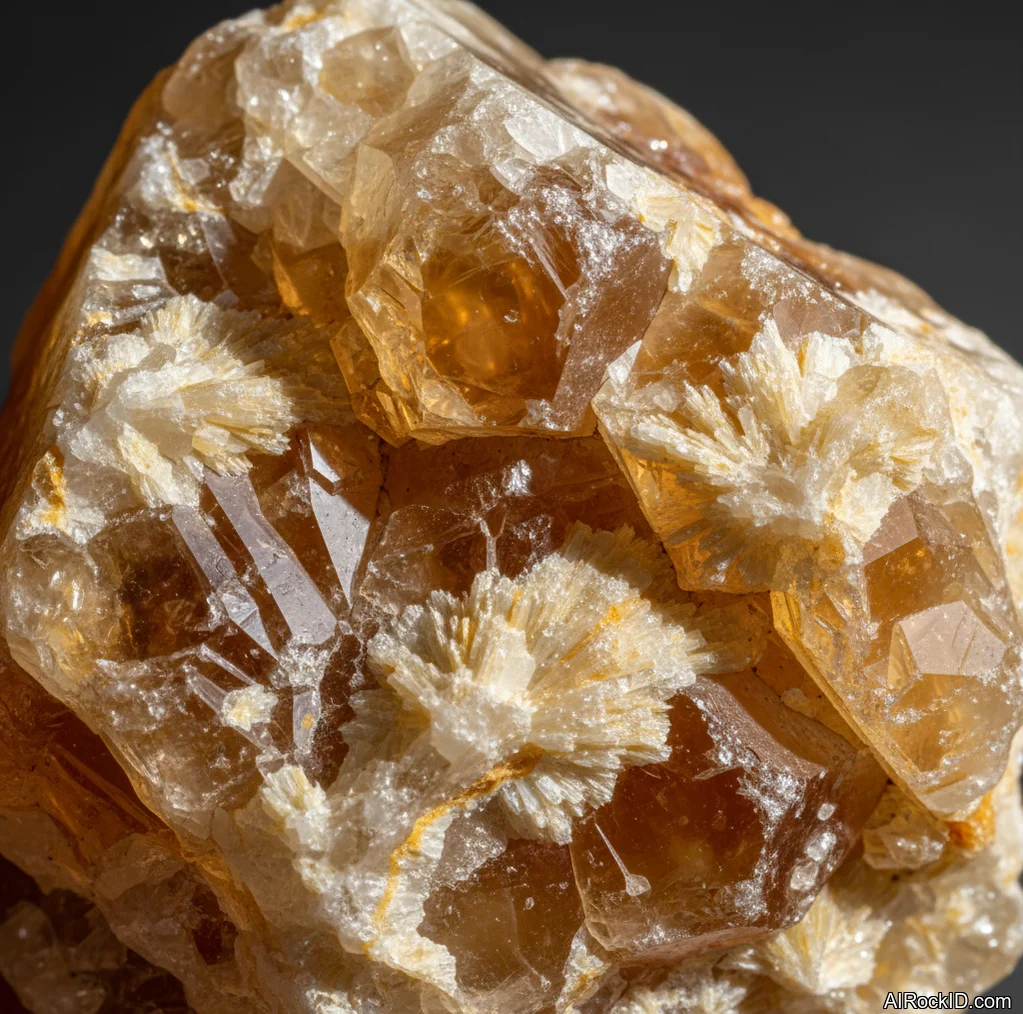
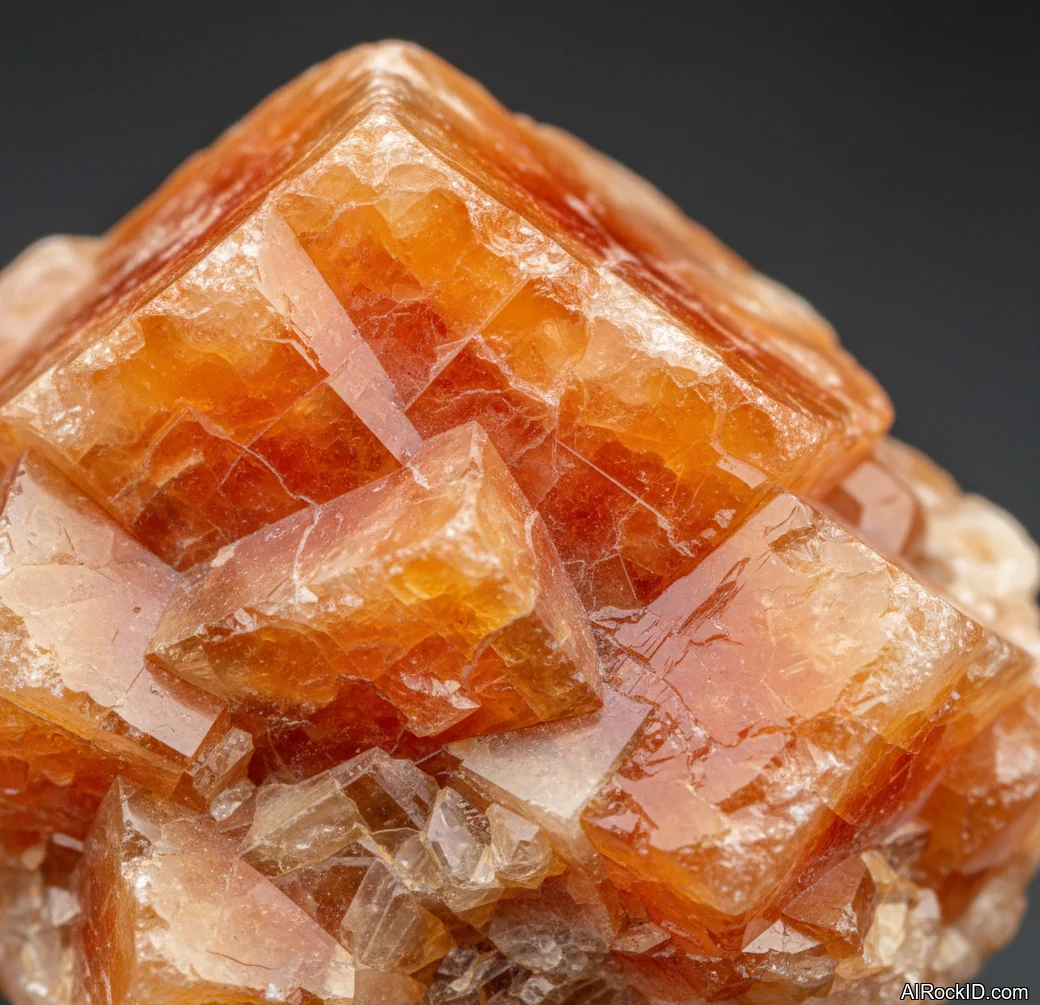
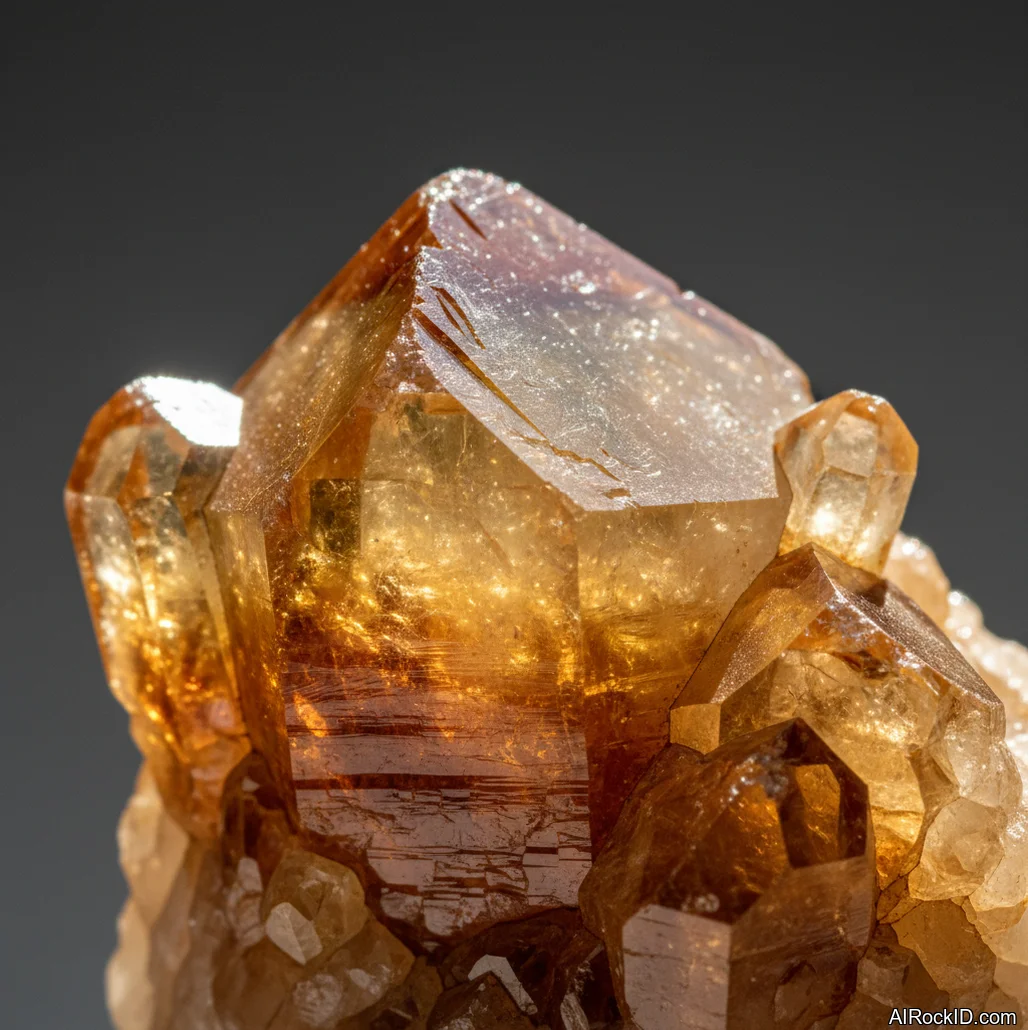
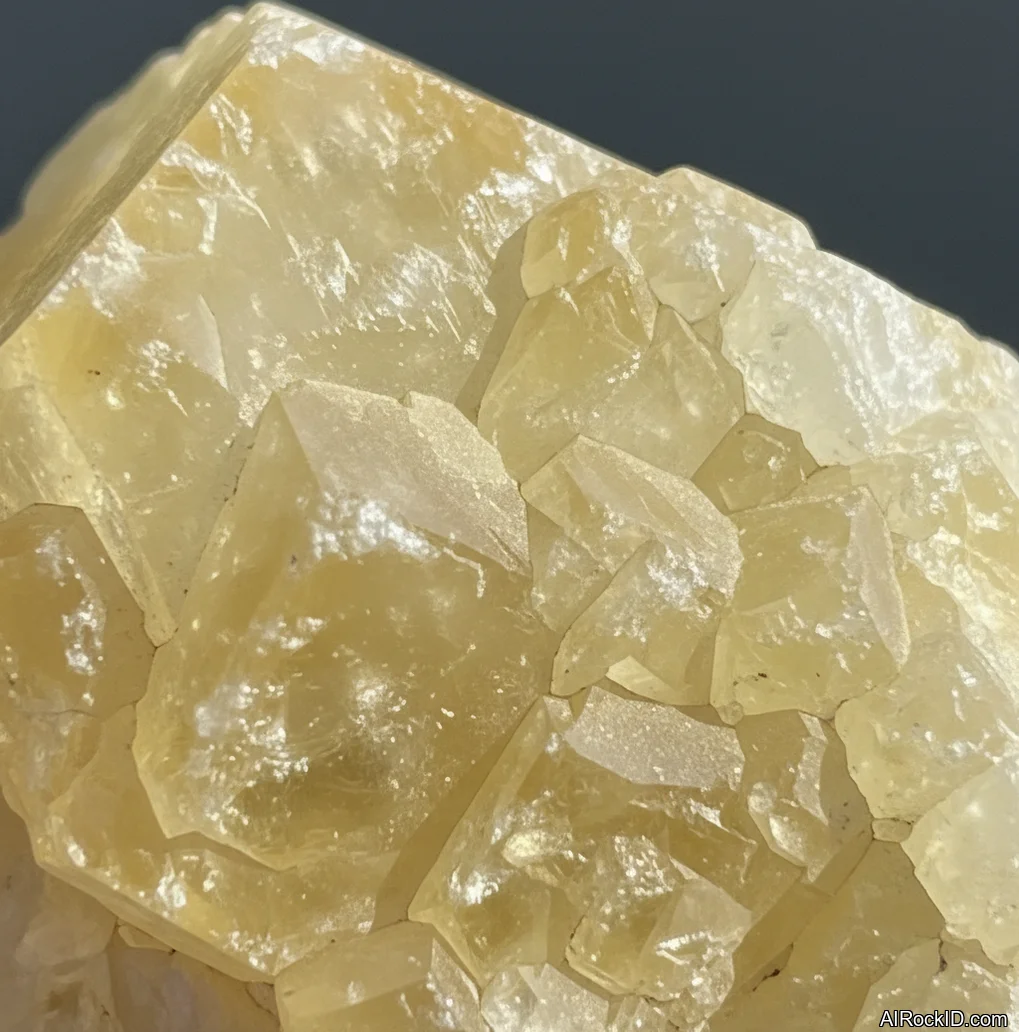
Lemon Calcite is just calcite (calcium carbonate, CaCO3) that happens to come out yellow. The trade name isn’t trying to be clever. It’s literally calcite in that lemon to buttery-yellow zone, usually because there’s a little iron in there, or some other trace bits mixed into the crystal.
Hold a piece and you get that very calcite feel right away: soft, but kind of crisp at the same time. It stays cool in your palm. And if it’s raw, the cleavage faces can feel like tiny stair steps when you run a thumb over them (you can almost “count” the edges). Tip it under a desk lamp and you’ll see quick, bright flashes off those rhombohedral planes, then they’re gone the second you shift it a few degrees. Photos tend to flatten the color, but in real life there’s often this milky glow sitting inside the stone.
Most of what’s sold is tumbled pieces, polished freeforms, or chunky raw blocks with busted-looking cleavage. You can find clean, sharp natural crystals too, but they’re less common in retail setups, and they get beat up fast in those shop bins. And yeah, calcite bruises. Toss it in a pocket with quartz and you’ll regret it.
Origin & History
Calcite’s been known as a mineral for ages, even if the name “calcite” (the modern one) usually gets pinned on 19th century mineralogy, pulled from the Latin “calx,” meaning lime. And the “lemon” bit? That isn’t a real mineral name. It’s just a trade color tag, the same kind of thing as “blue calcite” or “mangano calcite.”
People have been finding yellow calcite in limestone cavities and hydrothermal veins pretty much anywhere carbonates show up. But in the gem and crystal market, the big, steady runs usually depend on whichever mine is turning out decorative-grade material right now. So dealers call it “lemon” when the color’s bright and the piece looks clean enough to pop compared to the more common tan or honey calcite.
Where Is Lemon Calcite Found?
Yellow calcite shows up worldwide in carbonate-rich areas; a lot of market material is sold from Mexico and Brazil, with smaller finds from the USA and Europe.
Formation
In the ground, calcite shows up pretty much anywhere calcium and carbonate ions can bump into each other and lock up into crystals, and that’s… a ton of places. Limestone caverns. Fractures in marble. Vugs in basalt where late-stage fluids pooled (you can almost picture the last little pockets of liquid sitting there). Or hydrothermal veins cutting through all kinds of host rock. And that lemon-colored stuff? Still calcite at heart, it just has trace impurities that push the color toward yellow.
If you get a raw piece in your hand and really look at it under decent light, you can usually see its growth story written right on the surface. Banding. Cloudy zones. Then sudden clear patches where the fluid chemistry must’ve shifted halfway through. The big tell, though, is cleavage. Calcite breaks in three directions, and the breaks can look like tiny rhombs nested and stacked inside each other. But that same cleavage is why it’ll sometimes pop or split cleanly along those planes if it takes a hit.
How to Identify Lemon Calcite
Color: Lemon Calcite ranges from pale pastel yellow to a more saturated lemon candy color, often with milky white clouds or faint banding. Some pieces drift into honey tones, especially in thicker chunks where light can’t pass through as easily.
Luster: Vitreous on fresh faces, often turning pearly on cleavage planes.
If you scratch it with a copper penny or a steel nail, it’ll mark pretty easily because it’s only Mohs 3. The real test is a tiny drop of dilute acid on an inconspicuous spot: calcite fizzes (even household vinegar can work, just slower). And if you’ve handled a lot of it, you notice how it “gives” at the edges when it’s tumbled, like the corners want to bruise instead of staying crisp the way quartz does.
Properties of Lemon Calcite
Physical Properties
| Crystal System | Trigonal |
| Hardness (Mohs) | 3 (Soft (2-4)) |
| Density | 2.71 g/cm3 |
| Luster | Vitreous |
| Diaphaneity | Transparent to translucent |
| Fracture | Uneven |
| Streak | White |
| Magnetism | Non-magnetic |
| Colors | lemon yellow, pale yellow, buttery yellow, yellow with white |
Chemical Properties
| Classification | Carbonates |
| Formula | CaCO3 |
| Elements | Ca, C, O |
| Common Impurities | Fe, Mn, Mg |
Optical Properties
| Refractive Index | 1.486-1.658 |
| Birefringence | 0.172 |
| Pleochroism | None |
| Optical Character | Uniaxial |
Lemon Calcite Health & Safety
Handling is usually safe. The bigger issue is that the specimen can get dinged up fast because it’s soft and has perfect cleavage, so it’ll chip or split if you bump it or clamp it too hard (I’ve watched a corner flake off from a light tap on the bench). And if you’re grinding or sanding it, don’t breathe the dust.
Safety Tips
If you’re cutting or shaping calcite, run water over it while you work and put on a real dust mask or a respirator. That powder gets everywhere, and you’ll feel it in your throat fast. For display pieces, don’t let it bump up against harder stones, because they’ll scratch it up in no time.
Lemon Calcite Value & Price
Price Range
Rough/Tumbled: $5 - $80 per piece
Cut/Polished: $1 - $8 per carat
Price usually tracks color saturation, clarity, and how crisp the polish looks, because calcite loves to undercut and go a little hazy if your lap isn’t really dialed in. Big, statement-size chunks cost more. But a piece with perfect natural crystal faces can spike the price fast, since those edges chip if you so much as bump the box during shipping.
Durability
Nondurable — Scratch resistance: Poor, Toughness: Fair
It’s stable in normal room conditions, but it scratches easily and can cleave or bruise from sharp knocks.
How to Care for Lemon Calcite
Use & Storage
Store it by itself or in a soft pouch. If it’s in a drawer with quartz points, the calcite will come out with fresh scratches.
Cleaning
1) Rinse quickly with lukewarm water. 2) Wipe with a soft microfiber cloth and a tiny bit of mild soap if needed. 3) Rinse again and dry right away, especially along cleavage edges where water likes to sit.
Cleanse & Charge
Skip salt water and harsh cleansers since calcite can react to acids and can dull with rough treatment. I stick to smoke, sound, or just setting it on a shelf overnight.
Placement
Keep it out of direct sun if you notice fading in your particular piece, and don’t put it where it’ll get bumped. A stable stand helps because calcite loves to slide and chip at the corners.
Caution
Don’t use acids, vinegar soaks, or ultrasonic cleaners. Calcite can etch and lose its polish fast, and you’ll actually see the surface go dull (that slightly chalky look) before you realize what happened. And don’t leave it sitting in water for a long time if the piece has fractures or a fragile crystal habit. Why risk it?
Works Well With
Lemon Calcite Meaning & Healing Properties
In the crystal world, lemon calcite gets lumped in with the “sunny” stones, but I try to keep my feet on the ground with it. When I’ve got a piece sitting on my desk, it just looks bright and clean, like clicking on a little lamp in a dim room. And that’s honestly the main effect for me: visual mood. Simple.
Grab a polished palm stone and you’ll notice it doesn’t snap to body temp the way glass does. It warms up a touch slower. Then there’s that slight drag when you rub it with your thumb, like it’s smooth but not slick, because it isn’t super hard. That feel matters if you’re using it for meditation or as a worry stone. But here’s the catch: calcite is soft, so if you carry it every day it’ll get scuffed. And once the shine is gone, people sometimes swear the “energy” changed when, really, the surface just got roughed up.
On the metaphysical side, lemon calcite usually gets linked to mental clarity, motivation, and a lighter emotional tone. I don’t treat any of that as medical. If you’re using it as a nudge to focus, or as a tiny ritual object you touch when you sit down to study (doesn’t that kind of thing help sometimes?), it can do the job. Just don’t confuse that with treatment, and don’t let a seller talk you into paying crazy money for what’s basically common calcite in a good color.
Identify Any Crystal Instantly
Snap a photo and get properties, value, care instructions, and healing meanings in seconds.