Pink Zebra Jasper
What Is Pink Zebra Jasper?
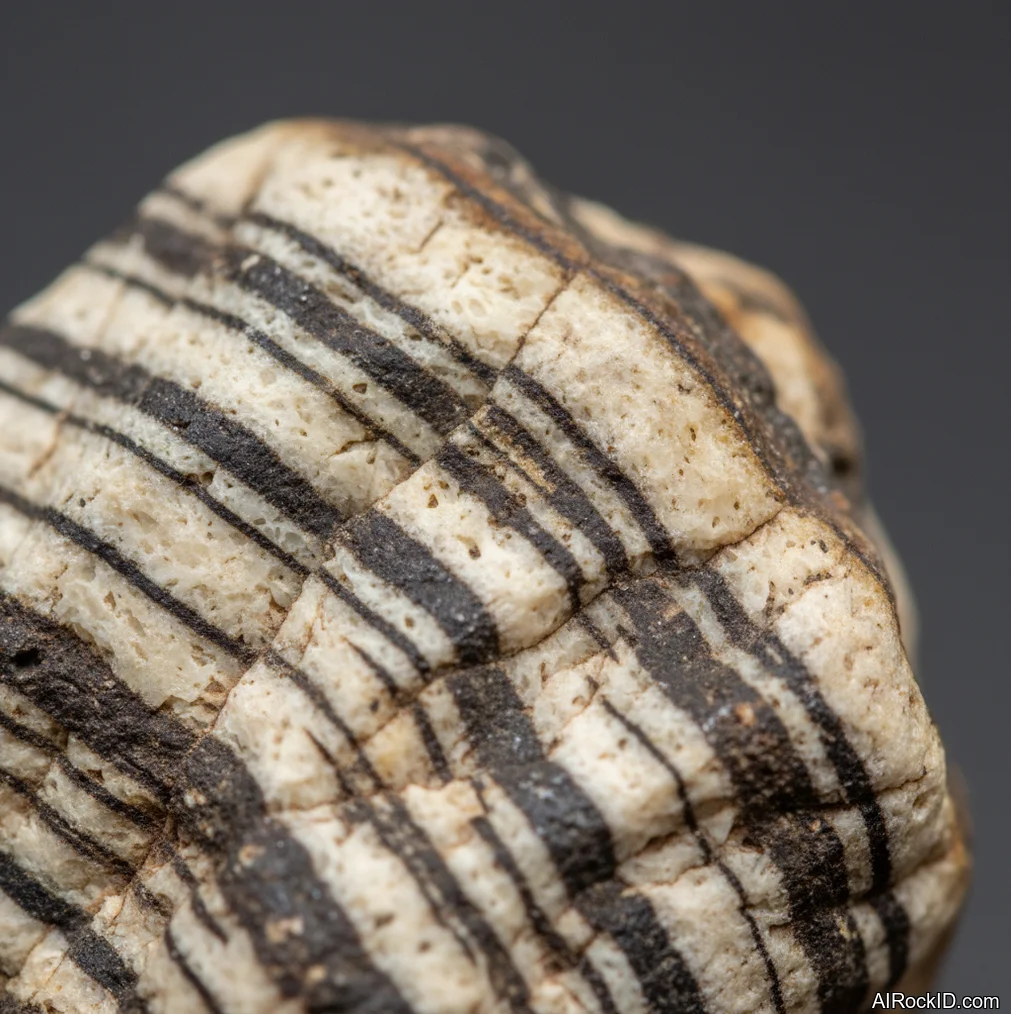
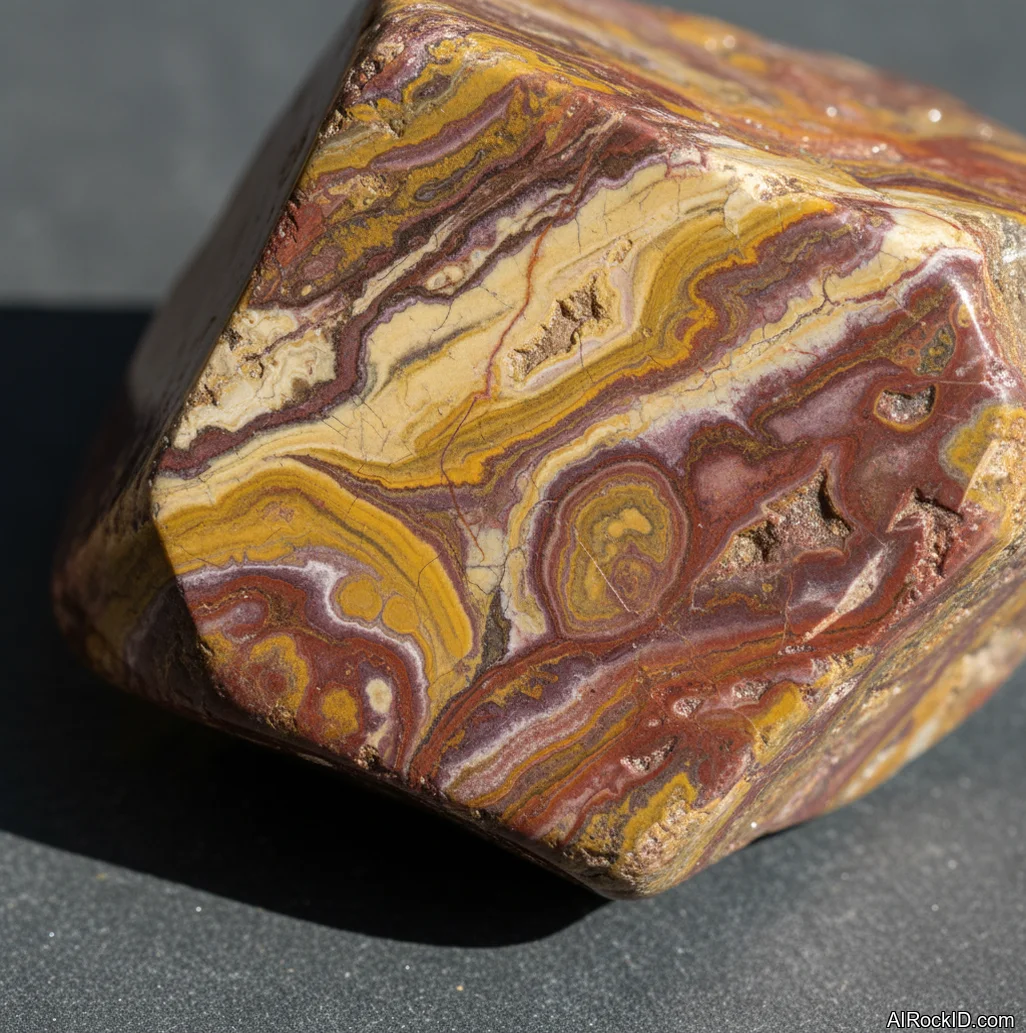
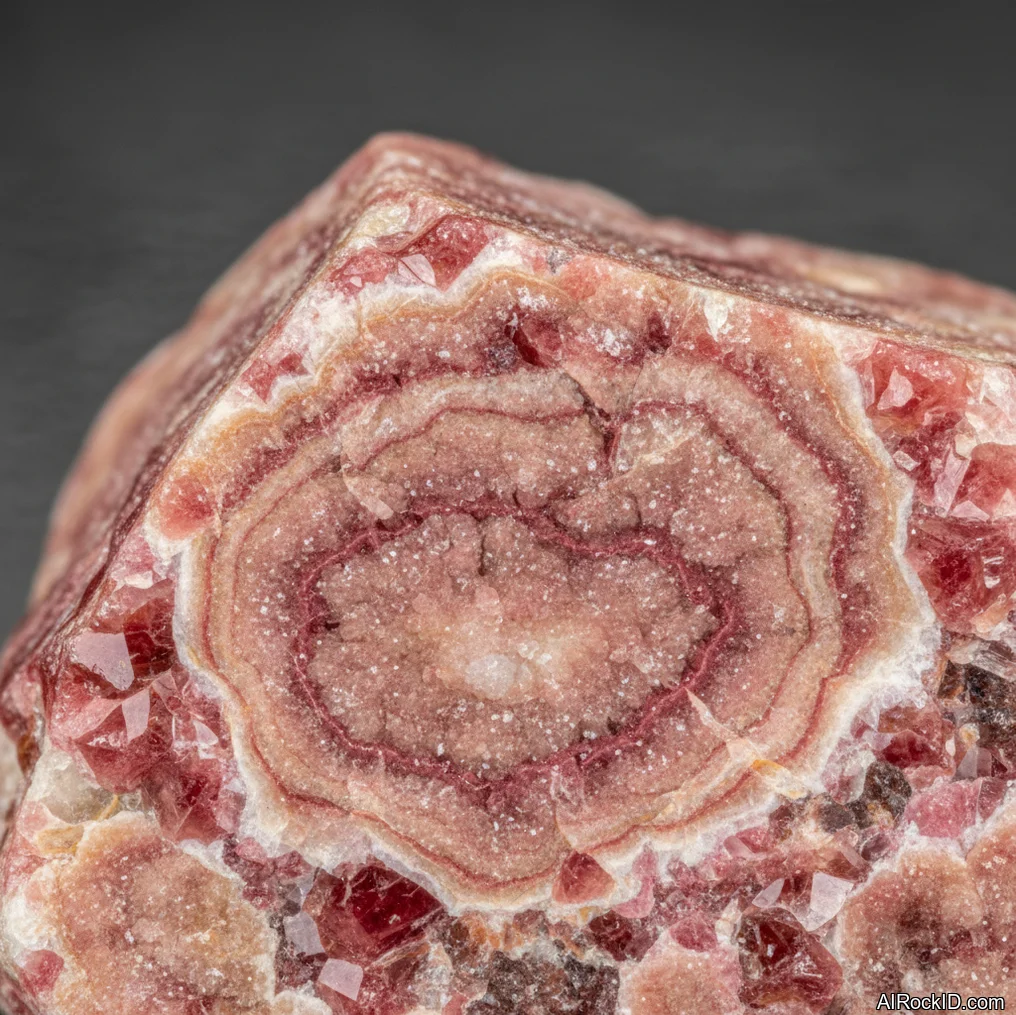
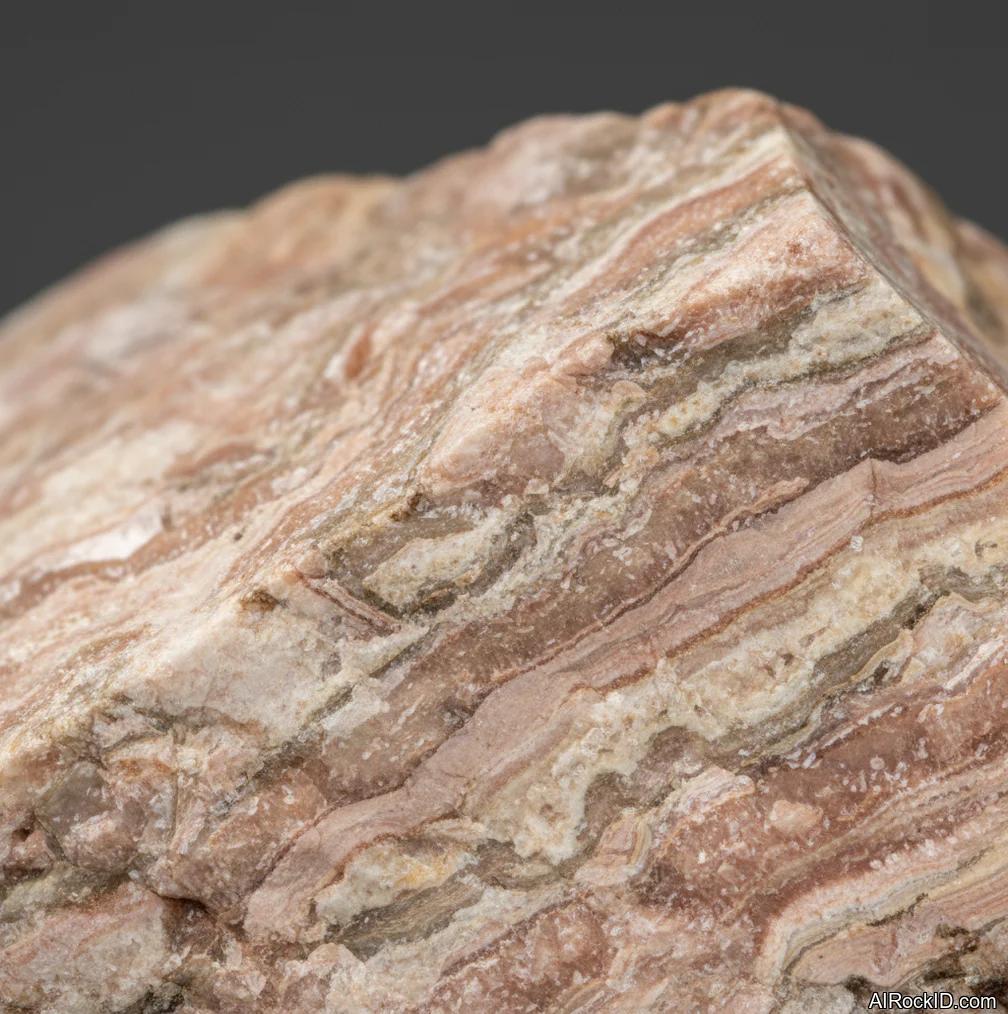
Pink Zebra Jasper is an opaque, banded type of jasper (microcrystalline quartz) with striping in pink, cream, gray, and sometimes brown.
Grab a tumbled piece and you feel it instantly. It’s got that quartz weight for its size, and it hangs onto that cool, stone-cold temperature in your hand way longer than dyed resin or plastic ever does. The pattern is the whole reason people buy it: soft pink ribbons, milky cream lanes, plus darker lines that look more like someone dragged a paintbrush across it than neat, barcode-straight stripes.
Most of what you’ll run into for sale is polished. And honestly, that makes sense, because the rough chunks can look kind of plain until you splash a little water on them or catch a small shiny face where it’s been cut. But once it’s polished, the banding jumps out and you get that “zebra” look that makes you stop at a tray (you know the one, under the bright lights) and start picking through pieces to find the pattern that hits just right.
Origin & History
“Jasper” has been around forever as a kind of catch-all lapidary term for opaque, quartz-rich stones, and people have been turning it into jewelry and carvings since antiquity. “Zebra jasper” and “pink zebra jasper,” though? Those are newer trade names, mostly about what the stone looks like, not some formally defined mineral variety.
Thing is, there isn’t one clean “first described by” moment like you’d get with a newly named mineral species. The name really started sticking in shops and at gem shows once that banded pink-and-cream material began showing up regularly as beads, palm stones (the smooth, slightly waxy-feeling ones you can rub your thumb over), and slabs. And yeah, you’ll also see some sellers call similar stuff “zebra marble,” which muddies the water, because a lot of it behaves like jasper (chalcedony) even if the pattern reads more marble-ish at a glance.
Where Is Pink Zebra Jasper Found?
Most commercial Pink Zebra Jasper on the market is sold under broad origin labels, with a lot of material commonly attributed to South Africa and Mexico.
Formation
Look at a jasper slab up close and you really can “read” it in the bands. Jasper is basically silica gel plus microcrystalline quartz that seeped into open spaces, then locked up hard as it solidified, while iron and manganese oxides tinted the layers as the chemistry shifted over time.
Out in the field, it’s usually linked to volcanic or sedimentary settings where silica-rich fluids push through fractures, cavities, or porous rock. That zebra striping comes from repeated pulses of fluid that’s just a little different each time. One pass leaves a pale, creamy layer, the next one lands pinker from iron staining, then you get a skinny dark line. Then it happens again. And again. It’s slow, sure, but it isn’t mystical. It’s just geology doing what it does.
How to Identify Pink Zebra Jasper
Color: Pink Zebra Jasper is typically soft to medium pink with cream or white bands, plus gray, tan, or brown striping that can look like zebra lines or swirls.
Luster: Polished pieces show a waxy to vitreous luster.
Pick up a piece and check the temperature. Real jasper stays cool; dyed howlite or plastic “stone” warms fast and feels a little grabby. If you scratch it with a steel knife, it shouldn’t gouge easily, but a sharp corner can leave a faint metal streak that wipes off. And under a bright light, the pattern in natural jasper usually has tiny specks and soft transitions, not perfectly flat, uniform color like cheap dye jobs.
Properties of Pink Zebra Jasper
Physical Properties
| Crystal System | Trigonal |
| Hardness (Mohs) | 6.5-7 (Hard (6-7.5)) |
| Density | 2.58-2.64 |
| Luster | Waxy |
| Diaphaneity | Opaque |
| Fracture | Conchoidal |
| Streak | White |
| Magnetism | Non-magnetic |
| Colors | Pink, Cream, White, Gray, Tan, Brown |
Chemical Properties
| Classification | Silicates |
| Formula | SiO2 |
| Elements | Si, O |
| Common Impurities | Fe, Mn, Al, Ca |
Optical Properties
| Refractive Index | 1.530-1.540 |
| Birefringence | 0.009 |
| Pleochroism | None |
| Optical Character | Uniaxial |
Pink Zebra Jasper Health & Safety
Pink Zebra Jasper is usually fine to pick up, hold, and keep out on a shelf. But if you ever cut it, grind it, or drill into it, watch out for the super-fine dust, since it’s a silica-heavy stone. Don’t breathe that stuff in (it hangs in the air longer than you’d think).
Safety Tips
If you’re going to cut or sand it, keep water on it to keep the dust down, make sure you’ve got decent ventilation, and wear a proper respirator that’s actually rated for silica dust. Not a flimsy mask.
Pink Zebra Jasper Value & Price
Price Range
Rough/Tumbled: $3 - $25 per tumbled stone or palm stone
Price mostly comes down to pattern and polish. If a bigger palm stone has crisp, high-contrast bands and that smooth, glassy feel when you rub your thumb across it, it’ll cost more. But the muddy brown stuff with weak banding and a dull finish? That’s the kind you usually see tossed into cheap bead strands.
Durability
Durable — Scratch resistance: Good, Toughness: Good
It’s stable in normal household conditions, but a hard knock on tile can still chip a polished edge.
How to Care for Pink Zebra Jasper
Use & Storage
Keep it in a pouch or a divided box if you don’t want it rubbing against softer stones. Jasper’s tough, but it can still pick up scuffs on a high polish.
Cleaning
1) Rinse with lukewarm water and a drop of mild soap. 2) Gently scrub with a soft toothbrush if it’s got skin oils in the grooves. 3) Rinse and dry with a soft cloth before storing.
Cleanse & Charge
If you’re into energetic care, a quick rinse and a wipe dry is usually enough. I’ve also left it on a windowsill for a short morning, but don’t bake it in harsh afternoon sun for days.
Placement
It looks best where light skims across the polish, like a desk corner or a shelf at eye level. On a dark wood surface, the pink bands read warmer.
Caution
Skip harsh cleaners and ultrasonic cleaners, especially if the piece has those tiny little pits where gunk and cleaner residue love to hide (you know the ones). And don’t hit it with a torch or leave it baking on a car dashboard when it’s crazy hot out.
Works Well With
Pink Zebra Jasper Meaning & Healing Properties
People go for Pink Zebra Jasper fast because it just looks… nice. Soft pink, those creamy little stripes, no harsh edges to it. I’ve got a few pieces in my own stash, and it’s the one I’ll pass across the counter to someone who’s visibly jittery, because it sits heavy and calm in your palm and feels kind of familiar.
In crystal tradition, jasper usually gets pegged as a grounding, everyday stamina stone, and the pink color tends to get tied to softer emotional stuff. So if that’s the lane you’re in, think “keep me on track” not “fix my whole life.” I’ve carried a smooth palm stone in my pocket on long show days, standing on concrete for hours, and I’ll catch myself rubbing my thumb over the bands when my head’s cooked. It doesn’t magically change anything. But it’s a solid little tactile reset.
Thing is, there’s a limitation people gloss over. A lot of “pink zebra” out there overlaps with other banded quartz rocks, and even some carbonate material gets sold under the same label too. So if you’re buying it for a certain vibe, you’re really buying the look and the feel of that exact piece you’re holding. And none of this is medical. If you’re dealing with anxiety, pain, or anything serious, stones are comfort objects at best, not a treatment plan.
Identify Any Crystal Instantly
Snap a photo and get properties, value, care instructions, and healing meanings in seconds.