Red Aventurine
What Is Red Aventurine?
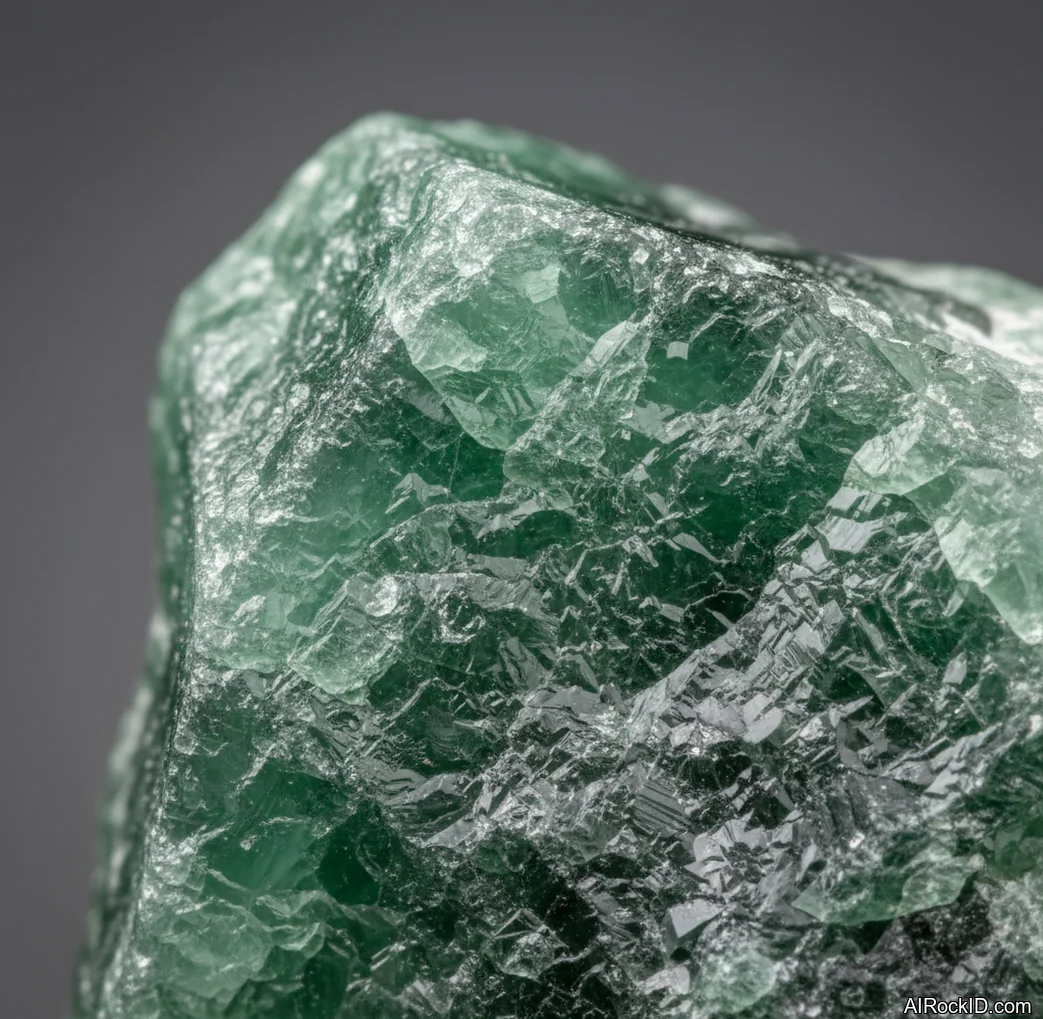
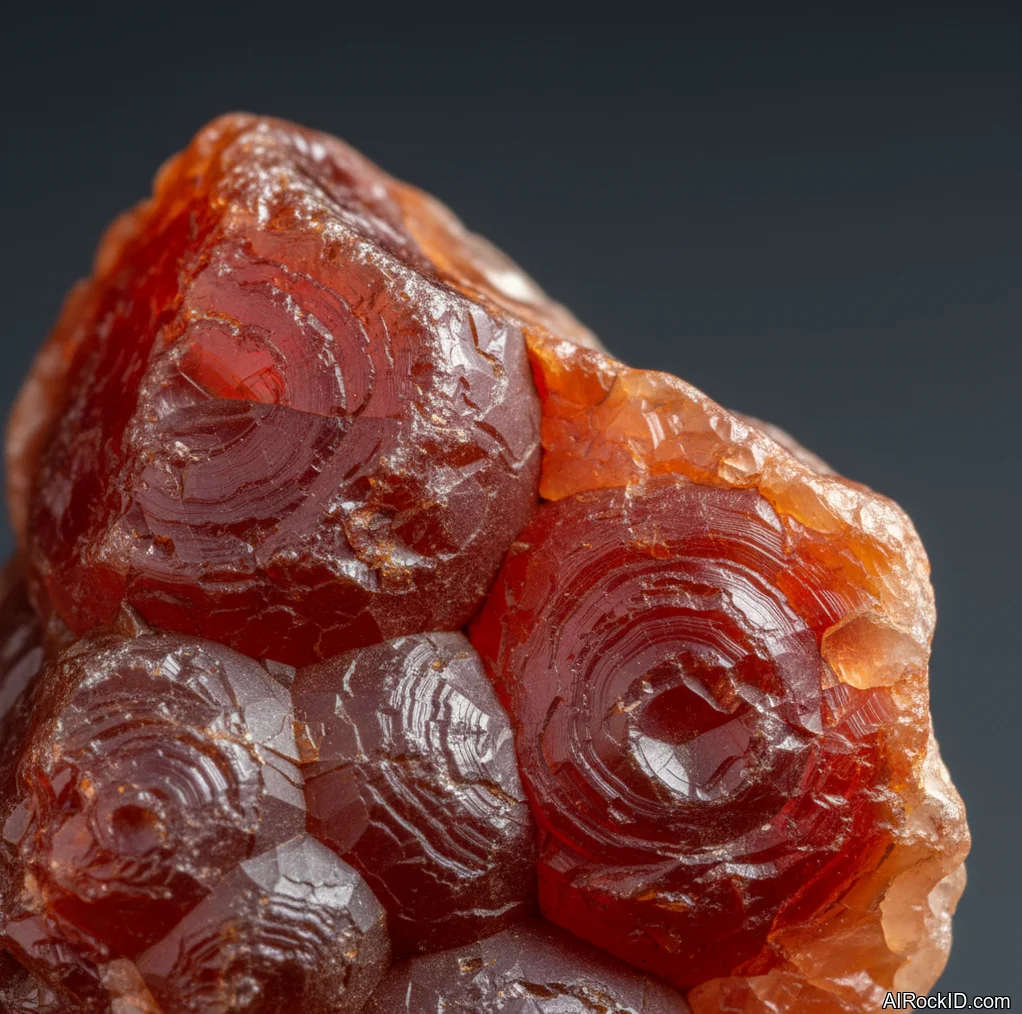
Red Aventurine is quartz, just the red to reddish-brown kind, and that color plus the faint glitter comes from tiny minerals trapped inside it, usually iron oxides like hematite.
Pick up a tumbled piece and you’ll notice it right away: it stays cool against your skin (quartz always does that), even if the room’s warm and your hands are a little sweaty. But the red isn’t a single flat shade. It looks more like a rusty rinse with a few milky, cloudy patches, and then when you tip it under a shop light you’ll catch that soft, peppery sparkle flashing for a second and disappearing again.
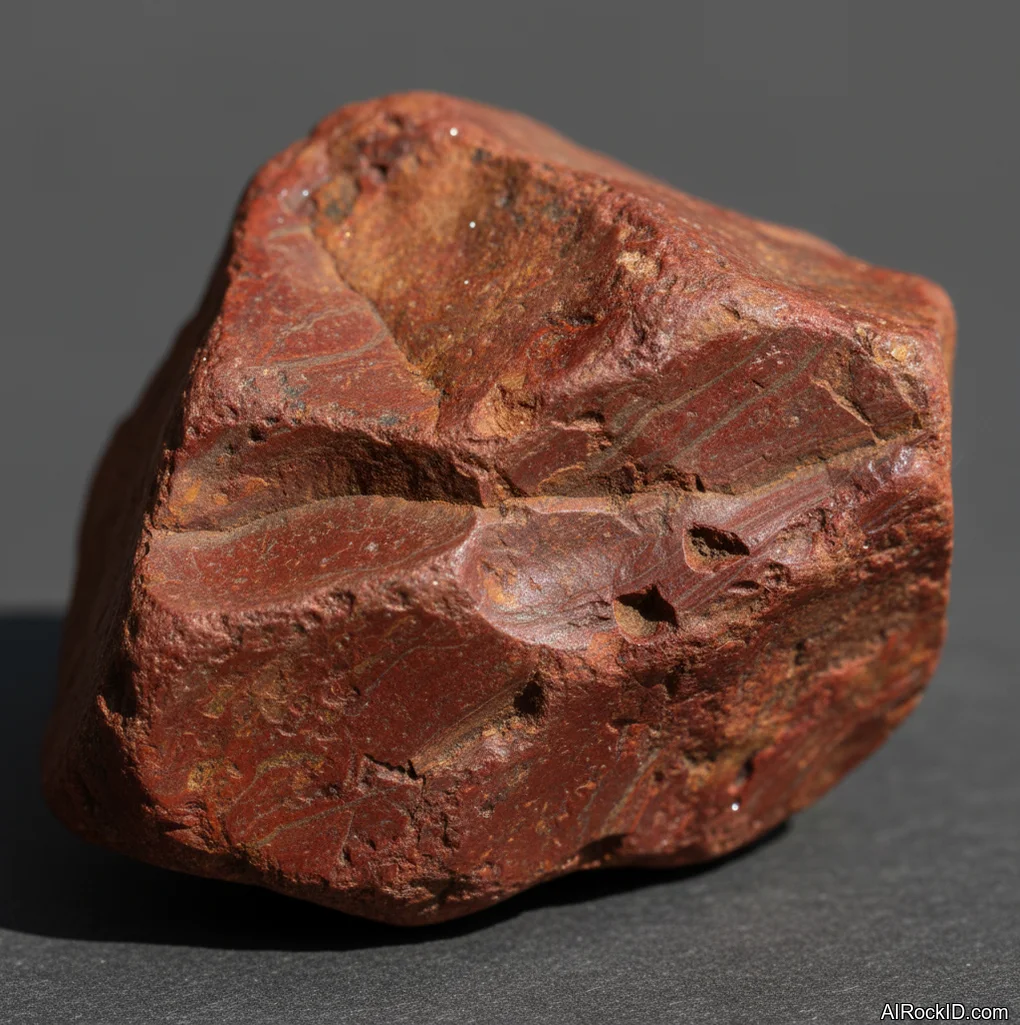
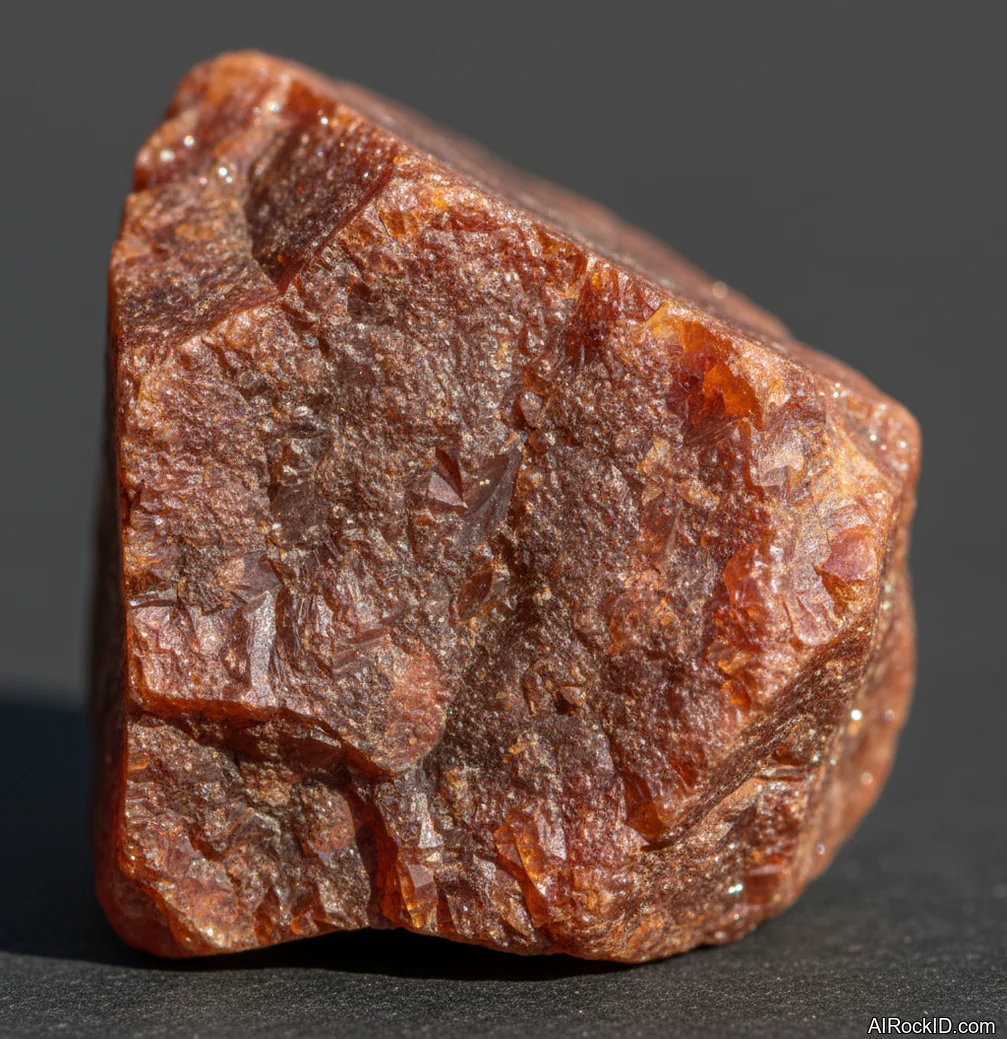
Most of what’s out there for sale comes as tumbled stones, palm stones, beads, small carvings, that sort of thing. Raw chunks are around, but a lot of them are basically blocky quartzite with a red cast, and you only really see the glitter on a fresh break where the surface isn’t worn smooth. And yes, name mix-ups happen constantly. Some batches labeled “red aventurine” are actually red jasper, and some are dyed quartz. After you’ve handled enough pieces, the difference is obvious just from the feel.
Origin & History
Aventurine, the word, goes back to the Italian phrase “a ventura,” basically meaning “by chance.” It’s tied to this happy accident in 17th-century Venice, when aventurine glass (goldstone) was discovered. That stuff is man-made, and if you’ve ever held a piece up to a lamp you can see the copper sparkles flash as you tilt it. So the name stuck. Anything with that same kind of glitter started getting called aventurine.
Red aventurine the stone is a different story. It’s part of the quartz family, so it didn’t get “discovered” the way a brand-new mineral species does. It’s really a trade and lapidary label that grew out of people sorting quartz by color and by whatever inclusions were floating in it (and yes, it can be a bit of a judgment call). In older dealer trays, you’ll see it grouped right in with green aventurine, and sometimes it’s just marked “aventurine quartz” with no color mentioned at all.
Where Is Red Aventurine Found?
Red aventurine is sold from several quartz-producing regions, with a lot of commercial material coming out of India and Brazil, plus some from Russia and parts of Africa.
Formation
Picture quartz that either grew in place or recrystallized while tiny flakes and grit from other minerals were still drifting around in the slurry. In red aventurine, that “other stuff” is usually hematite or related iron oxides, and sometimes there’s a bit of mica mixed in too. Those little inclusions are what shove the color toward brick red, and they’re also what gives it that soft shimmer you notice when you tilt it.
You’ll see it show up as massive material in metamorphic settings, like quartzite. And you’ll also find it as vein quartz that basically got stuffed with iron-rich inclusions as it formed. The sparkly look really pops when the included particles are platey and lined up, almost like tiny scales laying flat. Cut it the wrong direction and, honestly, it can look pretty plain. But slice it the right way and it’ll catch the light and flash as you roll it back and forth. Why does one cut look dead and the other one dances? That alignment.
How to Identify Red Aventurine
Color: Red aventurine runs from orange-red to deep reddish-brown, usually with mottling, cloudy patches, or faint bandy zones rather than a perfectly even color.
Luster: Polished pieces show a vitreous luster with a soft internal glitter from inclusions.
Look closely for tiny reflective flecks that wink on and off as you rotate the stone under a single point light. The real test is hardness: if you scratch it with a steel blade, it shouldn’t bite easily, and it’ll scratch window glass. And compare it to red jasper in your hand. Jasper often feels a little more waxy and uniform, while red aventurine tends to have that quartz-y “glassy” look with scattered sparkle.
Properties of Red Aventurine
Physical Properties
| Crystal System | Trigonal |
| Hardness (Mohs) | 7 (Hard (6-7.5)) |
| Density | 2.60-2.65 g/cm3 |
| Luster | Vitreous |
| Diaphaneity | Translucent to opaque |
| Fracture | Conchoidal |
| Streak | White |
| Magnetism | Non-magnetic |
| Colors | Red, Reddish-brown, Orange-red, Brown |
Chemical Properties
| Classification | Silicates |
| Formula | SiO2 |
| Elements | Si, O |
| Common Impurities | Fe, Al, Ti |
Optical Properties
| Refractive Index | 1.544-1.553 |
| Birefringence | 0.009 |
| Pleochroism | None |
| Optical Character | Uniaxial |
Red Aventurine Health & Safety
Red aventurine is basically quartz, so it’s generally safe to handle and you can rinse it off without worry. But if you’re cutting or grinding it, don’t breathe in the fine dust, that stuff can get right up your nose and throat fast.
Safety Tips
Use water and keep the air moving when you’re lapidary cutting. And don’t skip the PPE: wear a respirator that’s actually rated for silica dust (not just one of those flimsy paper masks).
Red Aventurine Value & Price
Price Range
Rough/Tumbled: $3 - $25 per tumbled stone or palm stone
Cut/Polished: $2 - $12 per carat
Prices jump around depending on how clean the polish comes out and if that sparkle actually pops under regular room light, not just under a flashlight. A deep, even red with obvious aventurescence will cost more than the dull, brownish stuff that kind of sits there.
Durability
Very Durable — Scratch resistance: Excellent, Toughness: Good
It holds up well in daily handling, but glossy polish can get a cloudy look if it’s knocked around with harder grit or stored loose with other quartz.
How to Care for Red Aventurine
Use & Storage
Store it in a pouch or a divided box if you care about the polish. Quartz-on-quartz rubbing is how you end up with that annoying haze over time.
Cleaning
1) Rinse with lukewarm water. 2) Use a mild soap and a soft brush for skin oils and grit. 3) Rinse well and pat dry, then let it air dry fully before putting it away.
Cleanse & Charge
For a simple reset, rinse and dry it, or leave it on a clean shelf overnight. If you use sunlight, keep it brief since some red material can look a little flatter after long windowsill time.
Placement
On a desk it reads like a warm, earthy red and doesn’t look flashy unless light hits it just right. I like it where you can pick it up and roll it in your fingers, since the shimmer only shows when it moves.
Caution
Don’t hit pieces that have fractures or drilled beads with harsh cleaners or an ultrasonic cleaner. Soap film can creep into those tiny cracks and drill holes, then just sit there, and it’ll leave the surface looking kind of flat. And don’t toss it into a jewelry box loose with topaz, sapphire, or anything harder. Those stones will scuff it up fast once they start rubbing around.
Works Well With
Red Aventurine Meaning & Healing Properties
At first glance, red aventurine tends to get tossed in the same pile as carnelian or red jasper. But once you’ve actually handled it for a while, it doesn’t feel quite the same. It has that quartz kind of “clean” feel, but with a heavier, iron-y pull to it that reads more grounded than flashy. And when I’m sorting a tray at a show, it’s the kind of stone I end up slipping into my pocket without thinking, just because it’s smooth against your fingers and those tiny little flashes (when they’re there) give your thumb something to chase.
People usually link it to motivation, steady confidence, and getting unstuck, especially with the everyday, repetitive stuff that’s more grind than big inspiration. But look, if you buy it expecting fireworks, you might end up underwhelmed. A lot of red aventurine on the market is honestly pretty quiet-looking, and the way people talk about its “energy” can sound way louder than the stone feels in your hand. The pieces that actually give you that “spark” feeling tend to be the ones with visible aventurescence, where you can tilt it under a lamp and catch that glittery shift across the surface.
Keep some perspective here. Metaphysical use is personal, and it isn’t medical care. So if you’re someone who likes working with intention, red aventurine fits best with routines: journaling, a short walk, a quick breath session before work, that kind of small, repeatable thing. Nothing dramatic. And if you’re sensitive to visuals, that warm red tone can work like a little cue in your day, like, “okay, do the next practical thing.” Which, honestly, is half the battle most days, right?
Identify Any Crystal Instantly
Snap a photo and get properties, value, care instructions, and healing meanings in seconds.