White Aragonite
What Is White Aragonite?
White Aragonite is the white variety of the mineral aragonite, a calcium carbonate (CaCO3) polymorph.
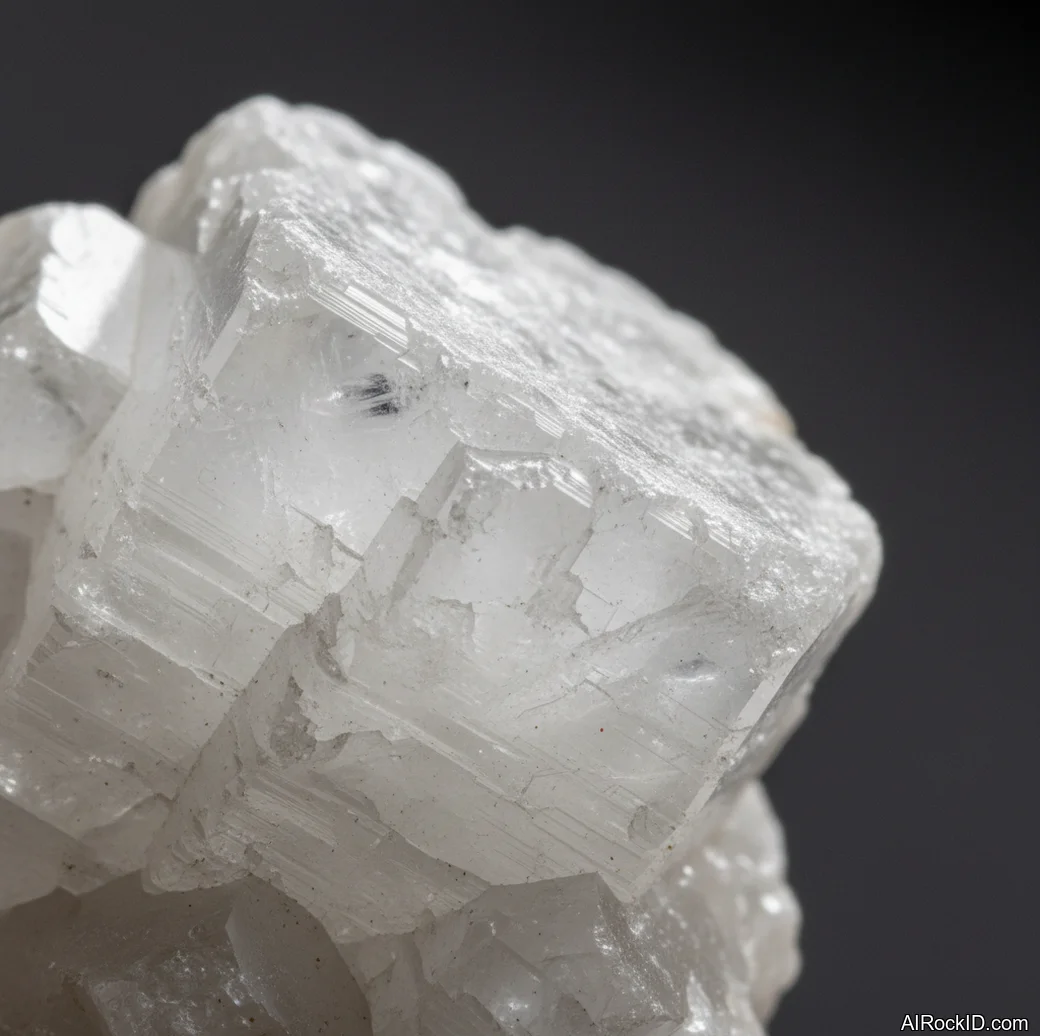
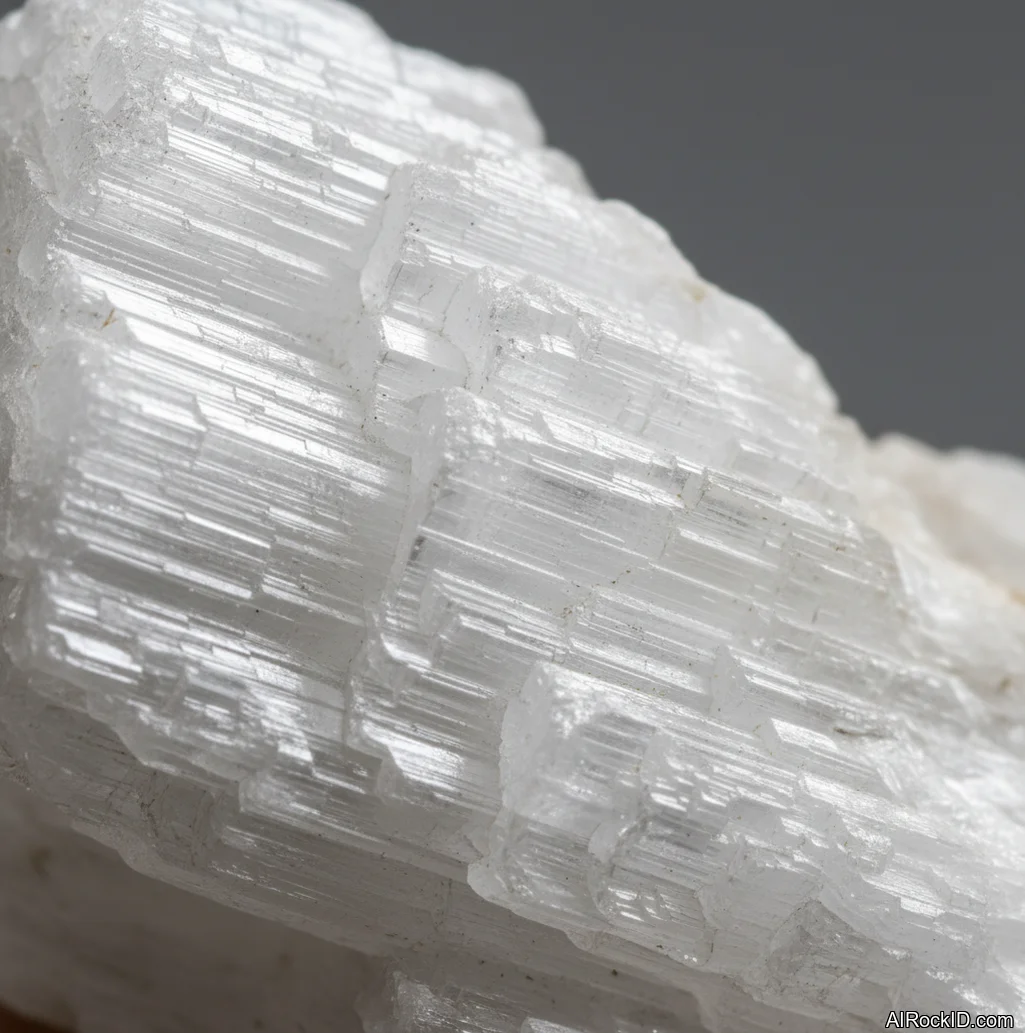
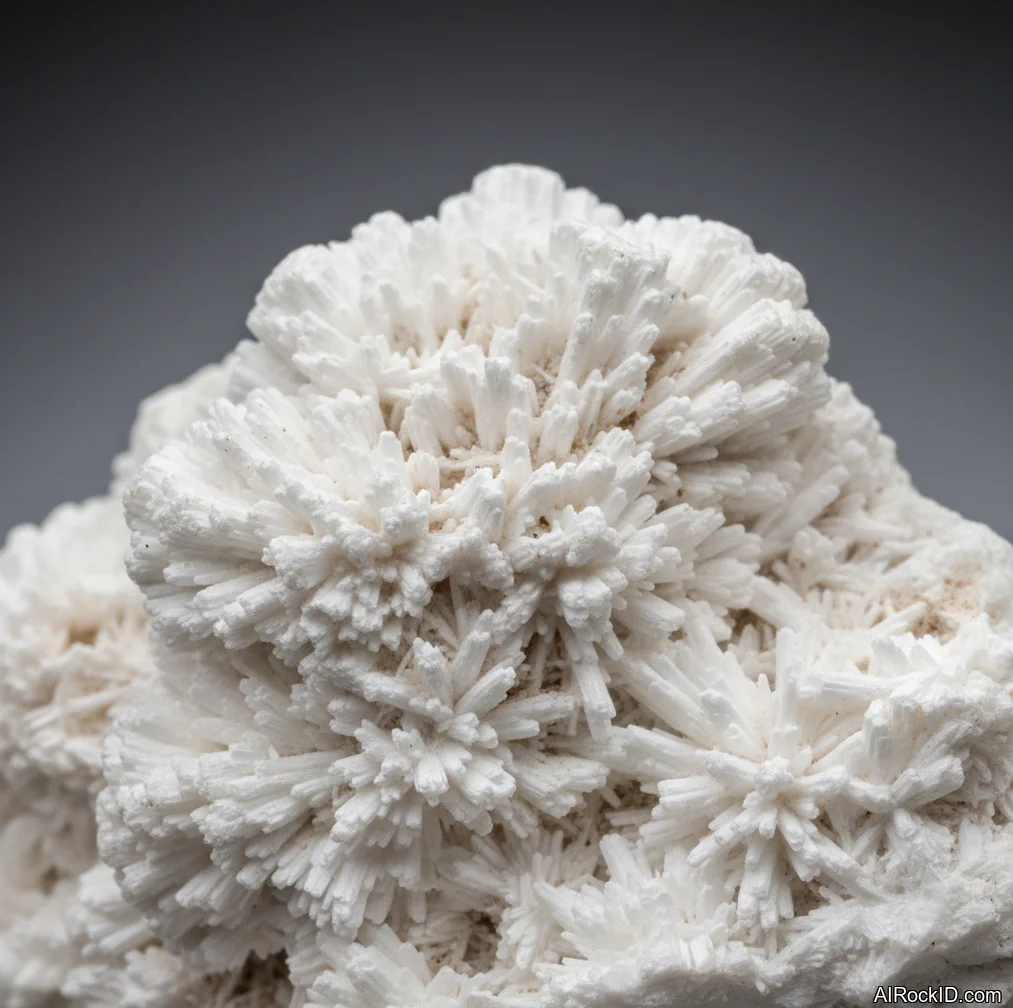
Pick up a chunky piece and two things hit you immediately. It’s cooler than it looks. And it’s heavier than most people expect for something that reads as “chalky white” in photos. A lot of the white stuff on the market shows up as tight clusters, little spiky sprays, or those rounded “popcorn” growths where the individual crystals sort of melt together, until you tilt it under a lamp and the faces start winking back at you (especially along the sharper edges).
At first glance, people confuse it with white calcite or even plain limestone. But aragonite has a slightly sharper, more angular feel to the crystal shapes when it’s not tumbled. It’s fussier, too. Treat it gently and it’ll stay looking good, but toss it around like quartz in a pocket and what happens? Bruised edges, plus a light dusting of tiny chips sitting in the bottom of the bag.
Origin & History
Aragonite gets its name from Aragón, Spain, since the classic specimens were described from Molina de Aragón. It was formally described in 1797 by Abraham Gottlob Werner, and it pretty quickly became the go-to example for how the same chemistry, calcium carbonate, can show up as totally different minerals.
Most collectors run into aragonite early on because it’s a real cabinet staple at shows. Dealers love using it as a teaching piece for crystal systems too, usually while it’s sitting in a little perky flat with that chalky dust you sometimes see on the label (and your fingers if you’re not careful). Orthorhombic aragonite can look nothing like trigonal calcite, even though they’re chemical twins, and that one detail has sparked plenty of weekend parking lot debates after gem shows. Who hasn’t heard one of those?
Where Is White Aragonite Found?
Aragonite forms in caves, hydrothermal veins, and marine settings worldwide; white material shows up in many carbonate districts and cave deposits.
Formation
Look at where aragonite actually turns up and you start seeing the same theme. It grows when calcium carbonate drops out of solution fast, or when the conditions tip the scales toward aragonite instead of calcite: higher pressure, certain Mg-rich waters, or warm marine settings. You’ll run into it as those cave “flowers,” as crusty coatings around hot springs, and tucked into vugs where carbonate-rich fluids had enough open space to throw up sprays and tight little clusters.
But there’s a catch. Aragonite’s metastable at Earth’s surface, so given geologic time it can flip over to calcite. That doesn’t mean your sample’s going to morph on the shelf next week. It’s more of a slow drift, especially if the piece has seen heat, been altered, or sat through a lot of weathering. I’ve had older chunks in hand where the outside starts to look a bit dull and sugary, not that fresh, crisp look you get off clean crystal faces. Why? The change is subtle, and it takes its time.
How to Identify White Aragonite
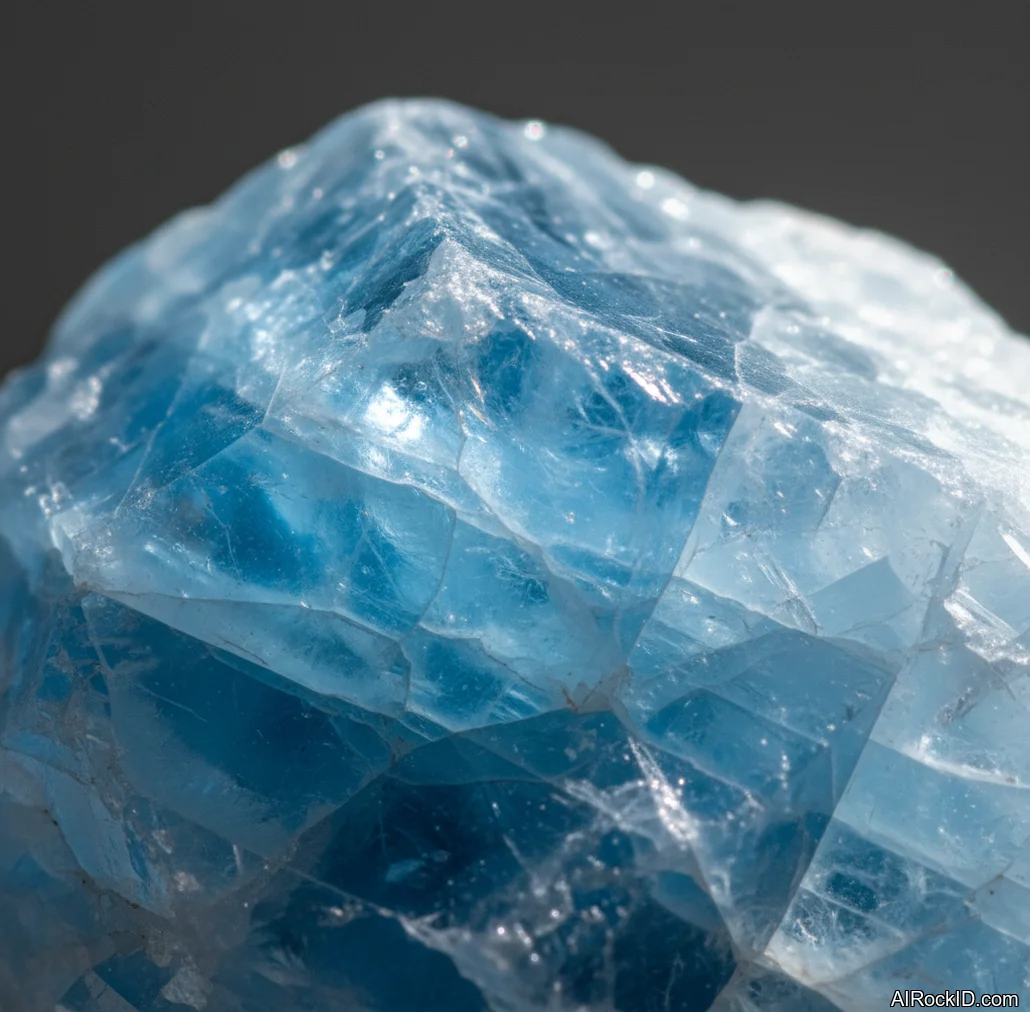
Color: White aragonite ranges from bright snow-white to creamy off-white, sometimes with faint tan or gray tones from tiny inclusions. Some pieces look almost translucent at thin edges, especially on needle clusters.
Luster: Luster is vitreous to pearly, often stronger on fresh cleavage or crystal faces.
If you scratch it with a copper penny, it’ll usually mark, but it won’t feel as buttery-soft as gypsum. The real test is heft plus habit: those radiating sprays and tight, spiky clusters are a dead giveaway when you’ve handled a few. And if you’ve got a hand lens, watch for repeated twinning and that slightly “toothy” sparkle on the tiny crystal tips instead of the smoother look you get from many calcites.
Properties of White Aragonite
Physical Properties
| Crystal System | Orthorhombic |
| Hardness (Mohs) | 3.5-4 (Soft (2-4)) |
| Density | 2.94-2.96 g/cm3 |
| Luster | Vitreous |
| Diaphaneity | Translucent to opaque |
| Fracture | Uneven |
| Streak | White |
| Magnetism | Non-magnetic |
| Colors | White, Cream, Off-white, Pale gray |
Chemical Properties
| Classification | Carbonates |
| Formula | CaCO3 |
| Elements | Ca, C, O |
| Common Impurities | Sr, Mg, Fe, Mn |
Optical Properties
| Refractive Index | 1.530-1.686 |
| Birefringence | 0.156 |
| Pleochroism | None |
| Optical Character | Biaxial |
White Aragonite Health & Safety
White aragonite is non-toxic, so it’s generally safe to handle. But keep it away from acids, because it’ll fizz and start etching, the same way other calcium carbonates do.
Safety Tips
If you’re trimming matrix or kicking up dust, put on eye protection and a respirator. And when you’re done, don’t sweep the dry powder around, it just floats back up. Grab a damp wipe (the kind that leaves your fingers a little gritty afterward) and clean it up that way.
White Aragonite Value & Price
Price Range
Rough/Tumbled: $5 - $60 per piece
Price really comes down to crystal habit and condition. Sharp, sparkly sprays and clean clusters with no chips or knocked-off points will run higher than those chalky, lumpier masses or bruised pieces that crumble if you so much as tap them on the table. And sure, a locality label helps, but most people care more about how it looks in the hand and whether it feels stable (or like it’s going to shed grit in the box).
Durability
Nondurable — Scratch resistance: Fair, Toughness: Poor
Aragonite can chip and cleave easily and should be kept away from acids and rough handling.
How to Care for White Aragonite
Use & Storage
Store it in a padded box or on a stable shelf where it won’t get knocked over. If it’s a spiky cluster, give it space so nothing rubs the tips.
Cleaning
1) Dust with a soft makeup brush or camera lens brush. 2) If needed, rinse quickly with plain water and pat dry right away. 3) Skip acids, vinegar, and most “stone cleaners,” and don’t soak it for long.
Cleanse & Charge
For a non-water method, use smoke, sound, or a short rest on a dry selenite plate. If you use moonlight, keep it out of dew and away from places where it can fall.
Placement
I like it on a desk or nightstand where you can actually see the texture up close, not buried in a bowl of mixed tumbles. Put it on a little stand if the base is uneven.
Caution
Don’t use an ultrasonic cleaner or a steam cleaner on it. And keep it away from acids or even that clammy, acidic humidity (you know the kind that makes metal smell a little sharp). Also, don’t just drop it into a pocket or bag where it can rub up against harder stones.
Works Well With
White Aragonite Meaning & Healing Properties
Most dealers sell white aragonite as a “grounding” stone, and yeah, I get why that label sticks. It feels heavy for its size. Solid. And that white isn’t shouty at all, it’s more like clean paper under warm shop lights. When I’m sorting flats at a show, I’ll sometimes park a little cluster right on the table near my hands, because it weirdly makes me slow down. Like, okay, don’t rush. Pick things up gently. (Sounds corny, but it works.)
If you’re into meditation, aragonite is a practical pick since it doesn’t yank your attention the way flashy, iridescent pieces do. It just sits there. Quiet. And the texture is the point, that slightly chalky, ridged feel you notice when you roll it between your fingers. But I always give the same warning with carbonates: don’t slide into medical thinking. A mineral can be a focus object, a habit cue, a comfort. It can’t fix your thyroid, your anxiety disorder, or your sleep apnea. That’s not how any of this works, right?
One more real-world thing. White aragonite can look “soft” in a spiritual sense, but physically it’s the opposite of forgiving. I’ve literally watched someone clack it against a quartz tower while setting up a grid, then stare at the aragonite like, why do the tips look sanded now? So if your practice involves carrying stones around, pick something tougher and leave aragonite at home where it can stay intact.
Identify Any Crystal Instantly
Snap a photo and get properties, value, care instructions, and healing meanings in seconds.