Iridescent Calcite
What Is Iridescent Calcite?
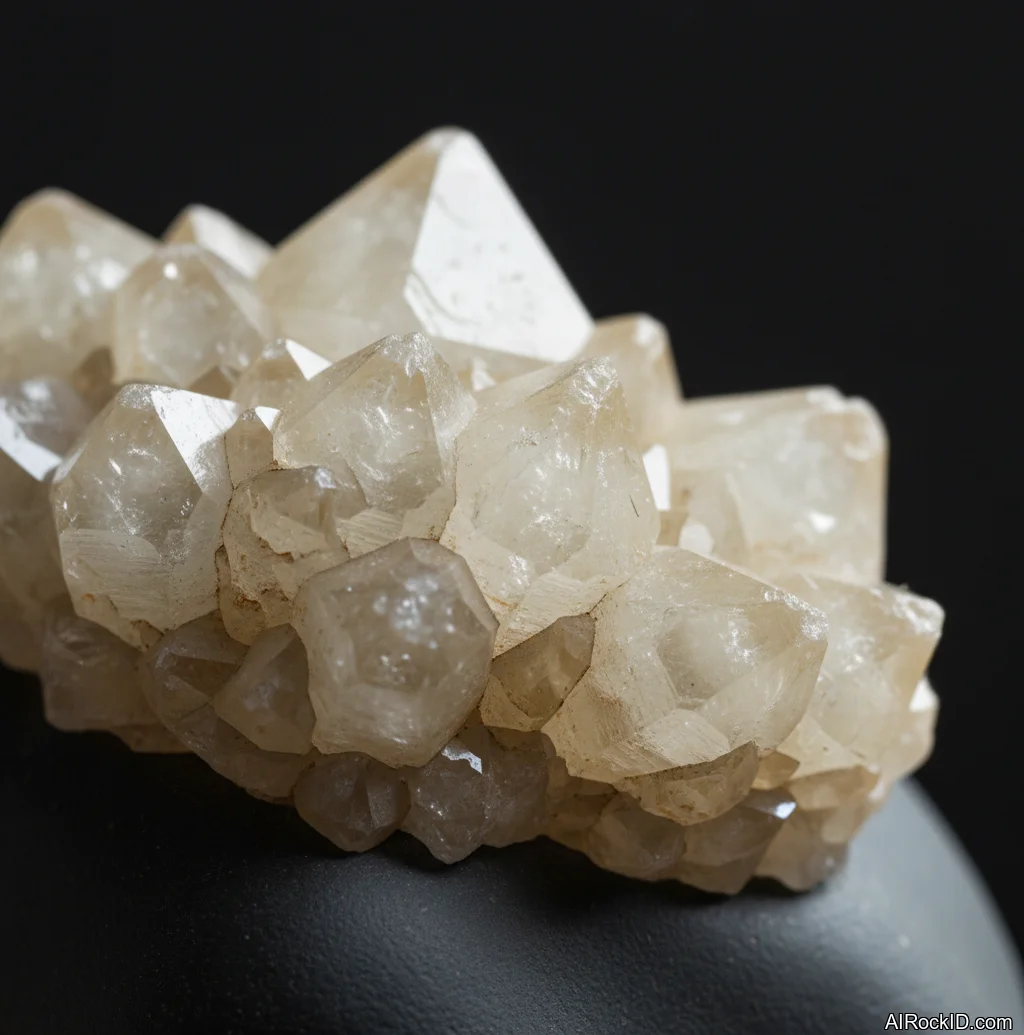
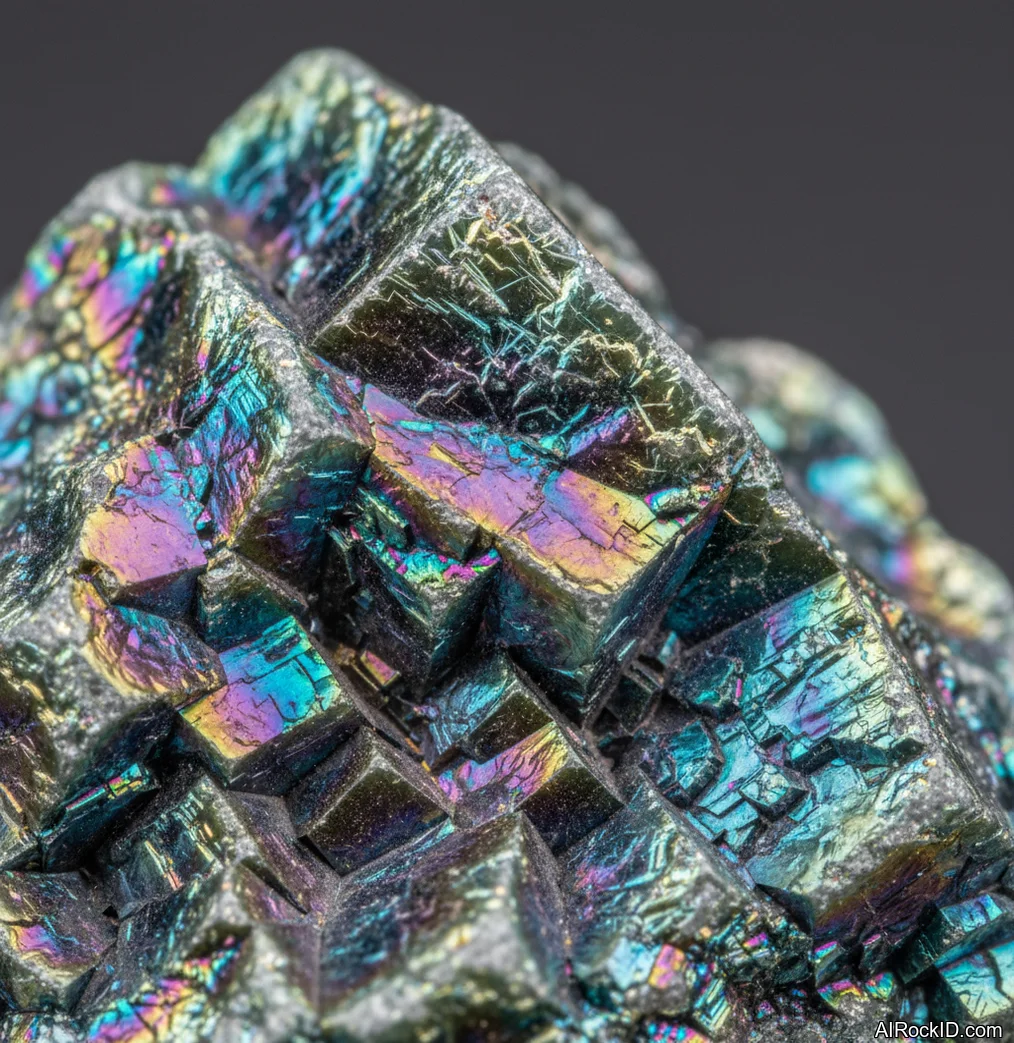
Iridescent Calcite is still just calcite (CaCO3), but on the cleavage surfaces it throws off a rainbow sheen. That color comes from thin-layer interference along tiny micro-fractures or lamellae.
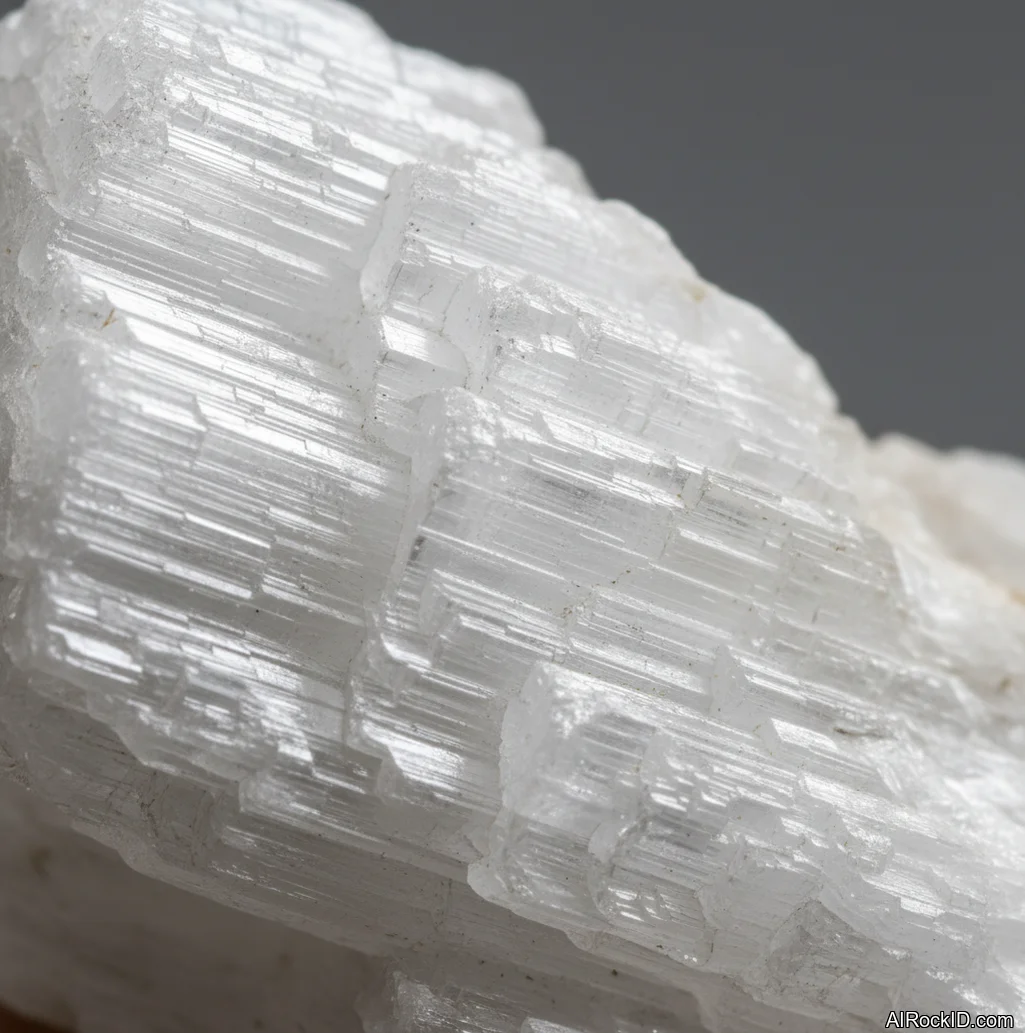
Pick up a chunk and you feel it right away: it wants to break into flat plates. Calcite’s cleavage is so perfect that a small bump can knock loose a clean, glassy face, and that’s usually where the color shows up. Tip it under one overhead light and you get this quick oil-slick flash, then it disappears if you move it a few degrees. Super picky shine.
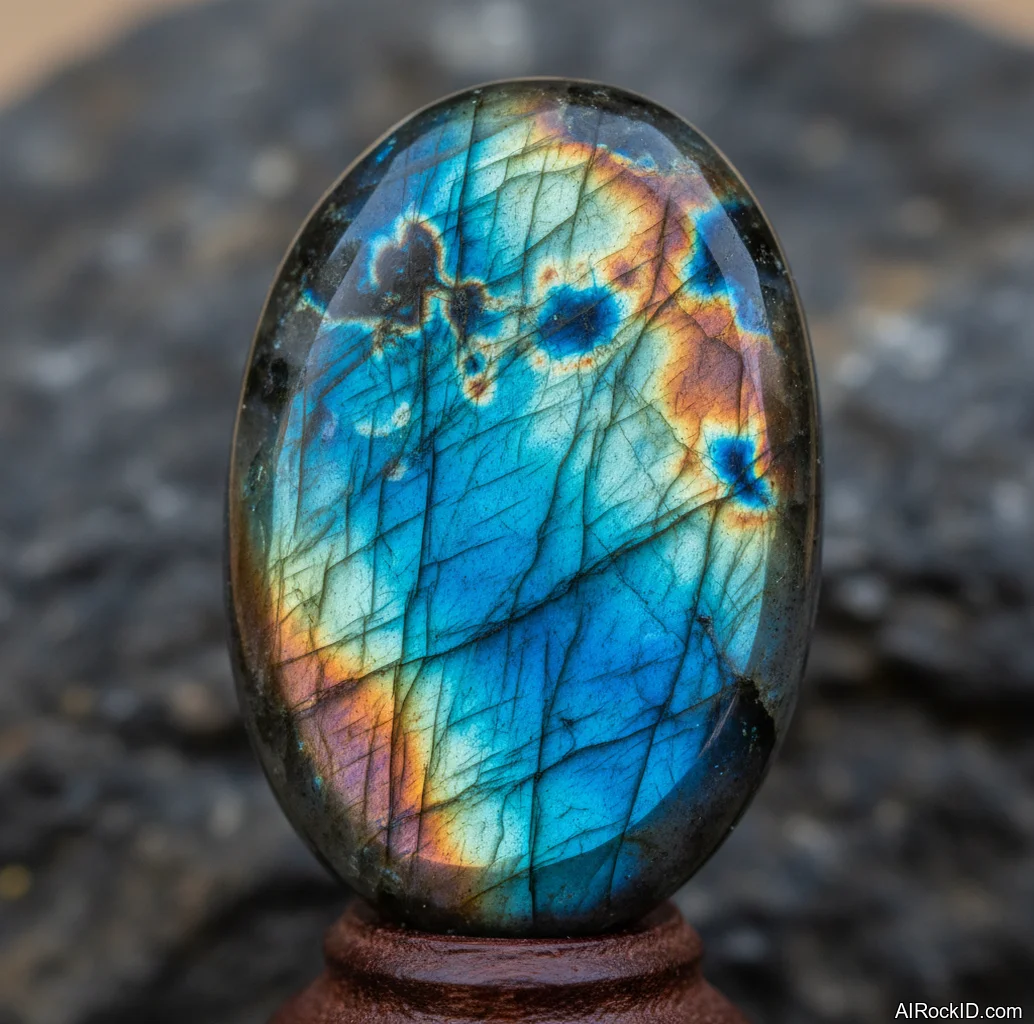
People often assume the rainbow is “inside” the stone, like labradorite. But it isn’t. It’s mostly a surface effect on those stepped cleavage faces, so a piece can sit in a box looking kind of plain, then go electric the moment you rotate it in your hand. Funny how that works, right?
Origin & History
Calcite got its official mineral write-up in 1836, thanks to Wilhelm Karl von Haidinger. The name itself comes straight out of Latin: “calx,” which just means lime.
Iridescent calcite, though? That’s not some separate species hiding in a display case. It’s just calcite doing a visual party trick when the crystal has the right internal parting and those ultra-thin layers that scramble light (you can usually spot it when you tilt the piece and the colors slide around).
And yeah, collectors have been hunting “rainbow” calcite forever because it’s one of the simplest ways to see optical interference without any fancy equipment. If you’ve ever picked up a clear chunk of Iceland spar, held it over a page, and watched the letters split into two, that’s the same mineral family. Different trick. Same calcite.
Where Is Iridescent Calcite Found?
It turns up anywhere calcite forms, but the flashiest pieces usually come from vugs and vein pockets where clean cleavage plates can develop.
Formation
Most iridescent calcite is born the same way plain old calcite is: calcium-rich fluids move through, then drop CaCO3 into fractures, cavities, limestone solution pockets, or hydrothermal veins.
The rainbow part comes later. It shows up once the crystal gets those super-fine internal layers, twinning, or tiny micro-fractures that run parallel to cleavage, and they start behaving like thin films.
Compared to sharp “dogtooth” calcite, a lot of the iridescent stuff doesn’t feel pointy at all. It feels like a stack of cards in your hand, with that platey, cleavy snap. I’ve opened flats at shows where half the pieces looked like dead, dull white calcite right up until you tilted one just right and hit that one perfect cleavage face. And then you get it. That’s why the dealer dragged the box in the first place.
How to Identify Iridescent Calcite
Color: Base color is often white, honey, gray, or clear, with a rainbow sheen that shows green, blue, pink, and gold at certain angles. The iridescence usually sits on flat cleavage faces rather than across a rounded surface.
Luster: Pearly to vitreous, with a slick rainbow flash on the best cleavage planes.
Look closely at the surface: the color should shift with angle and usually breaks up into bands or patches along tiny steps. If you scratch it with a copper penny, it’ll mark pretty easily, and a steel nail will bite fast since calcite is only Mohs 3. The real test is the cleavage: tap a corner gently and it tends to flake into rhombohedral chips, and those fresh chips can suddenly show new rainbow.
Properties of Iridescent Calcite
Physical Properties
| Crystal System | Trigonal |
| Hardness (Mohs) | 3 (Soft (2-4)) |
| Density | 2.71 g/cm3 |
| Luster | Pearly |
| Diaphaneity | Transparent to translucent |
| Fracture | Uneven |
| Streak | White |
| Magnetism | Non-magnetic |
| Colors | White, Clear, Honey, Gray, Pale yellow, Cream, Rainbow iridescence |
Chemical Properties
| Classification | Carbonates |
| Formula | CaCO3 |
| Elements | Ca, C, O |
| Common Impurities | Fe, Mn, Mg, Sr |
Optical Properties
| Refractive Index | 1.486–1.658 |
| Birefringence | 0.172 |
| Pleochroism | None |
| Optical Character | Uniaxial |
Iridescent Calcite Health & Safety
Solid pieces are fine to pick up, and calcite isn’t toxic. The only real “risk” is that it can snap along its cleavage if you drop it or squeeze it too hard, and then you’re left with those sharp, thin little flakes (they can feel like tiny glassy splinters).
Safety Tips
If you’re cutting it down or shaping it, put on safety glasses. And pick up the little chips right away, because they’ll work their way into the carpet or end up stuck in a pet’s paw (ask me how I know).
Iridescent Calcite Value & Price
Price Range
Rough/Tumbled: $8 - $120 per piece
Price usually comes down to how strong the flash is and how even it stays when you tilt it, plus whether the piece has those big, clean cleavage plates without that annoying chalky haze. Bigger plates that light up edge to edge get expensive in a hurry, because they’re the first to chip if you so much as bump them on a table.
Durability
Nondurable — Scratch resistance: Poor, Toughness: Poor
It’s stable as a mineral, but it bruises, scratches, and cleaves with very little effort, so handling matters.
How to Care for Iridescent Calcite
Use & Storage
Store it wrapped or in a compartmented box so it can’t rattle against harder minerals. I keep mine away from quartz points because one bump can leave a permanent scratch.
Cleaning
1) Dust with a soft brush or microfiber cloth. 2) If it needs more, rinse quickly in lukewarm water with a drop of mild soap. 3) Pat dry right away and don’t soak it for long periods.
Cleanse & Charge
For a non-abrasive reset, use smoke, sound, or a quick pass on a selenite plate. Skip salt bowls because the grit scratches the faces.
Placement
Give it a spot where it won’t be handled constantly, like a shelf with steady light so you can catch the flash when you walk by. A single lamp at an angle does more for it than bright, flat room lighting.
Caution
Skip acids and acid-type cleaners. Even mild vinegar will etch calcite and wipe out that shine fast. And don’t just drop it in your pocket next to your keys, unless you want those tiny scuffs you can feel with a fingernail later. Also, don’t ultrasonic clean it.
Works Well With
Iridescent Calcite Meaning & Healing Properties
Most dealers and readers toss iridescent calcite into the “mood-lifter” pile, and honestly, I see it. When you’ve actually got a piece in your hand, the rainbow isn’t just sitting there. You have to tilt it, rotate it, hunt for the angle where it finally flashes, and you can feel yourself slow down without even meaning to. That tiny pause? Weirdly grounding. Simple.
But people also oversell what “rainbow” is supposed to do. Thing is, it’s still calcite, which means it’s soft and kind of fussy. If you’re thinking daily carry, don’t. You’ll end up worrying about it getting scratched, bumped, or dulled (and yes, it can pick up little scuffs fast), and babysitting a stone can turn into its own little stress loop.
So I treat it more like a desk stone or a meditation piece. Something you grab for a minute, roll between your fingers, catch that color, then set back down. Not something you haul through your entire day in a pocket with keys.
In crystal shop language, calcite gets linked to clearing mental clutter and supporting study or reflection. And iridescent material tends to get tagged with optimism and a gentle emotional reset, mostly because that flash looks cheerful even when the piece is basically a plain white chunk. Keep it in the personal practice lane, not medical care.
Identify Any Crystal Instantly
Snap a photo and get properties, value, care instructions, and healing meanings in seconds.