Orange Aventurine
What Is Orange Aventurine?
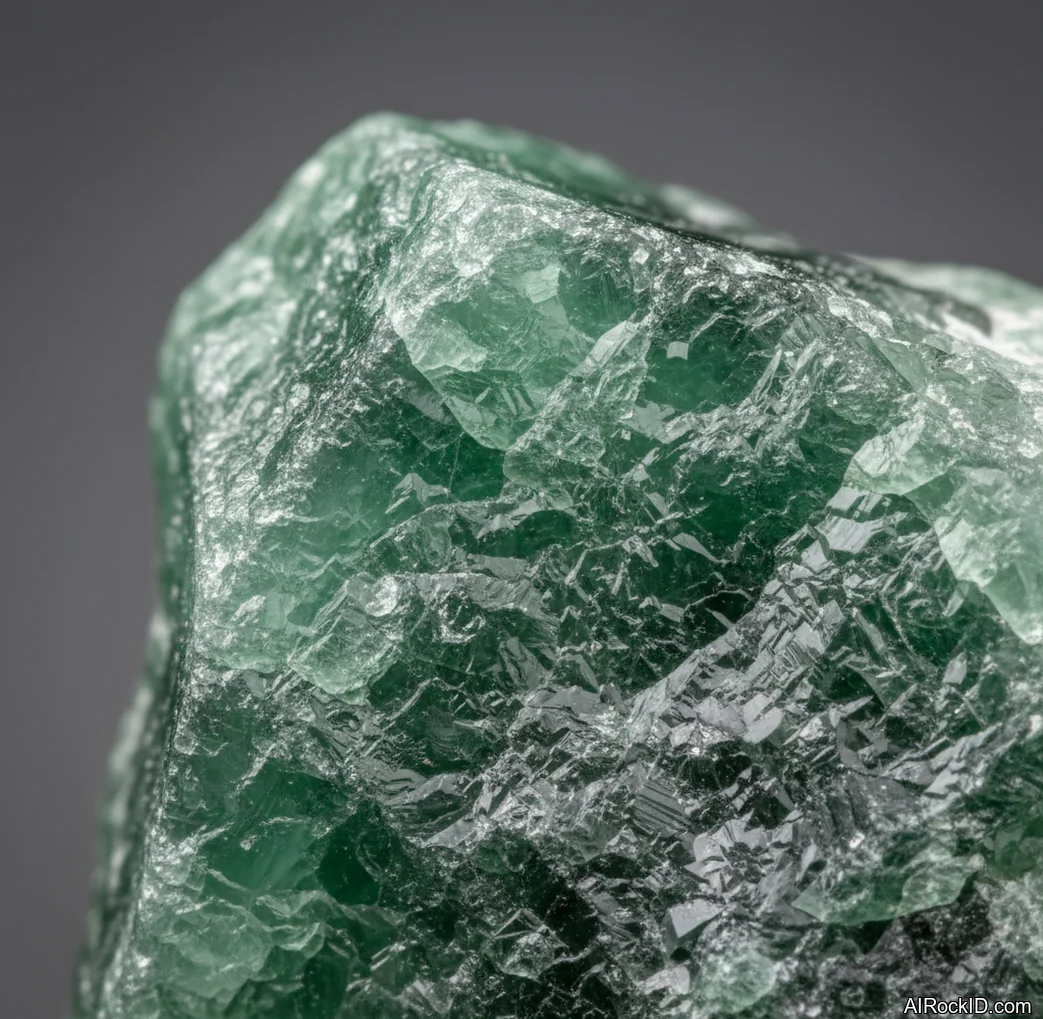
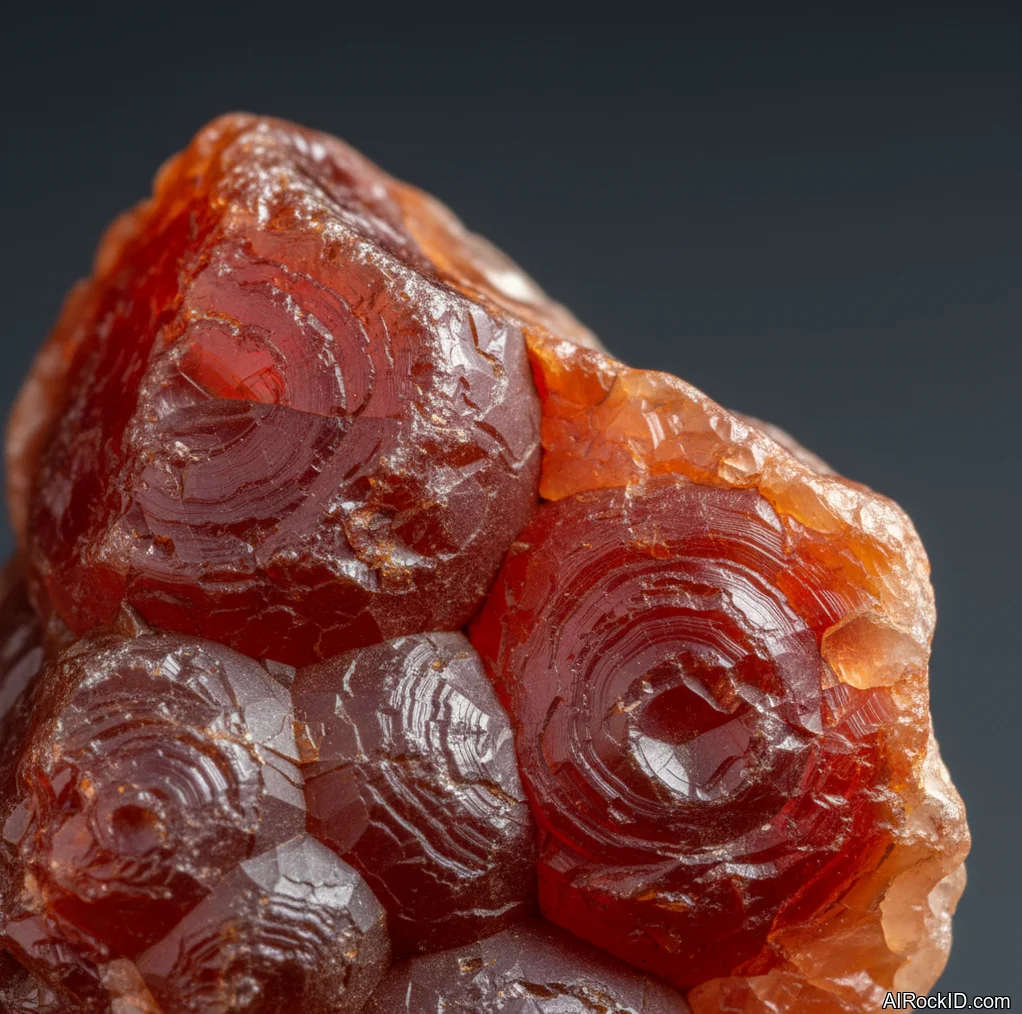
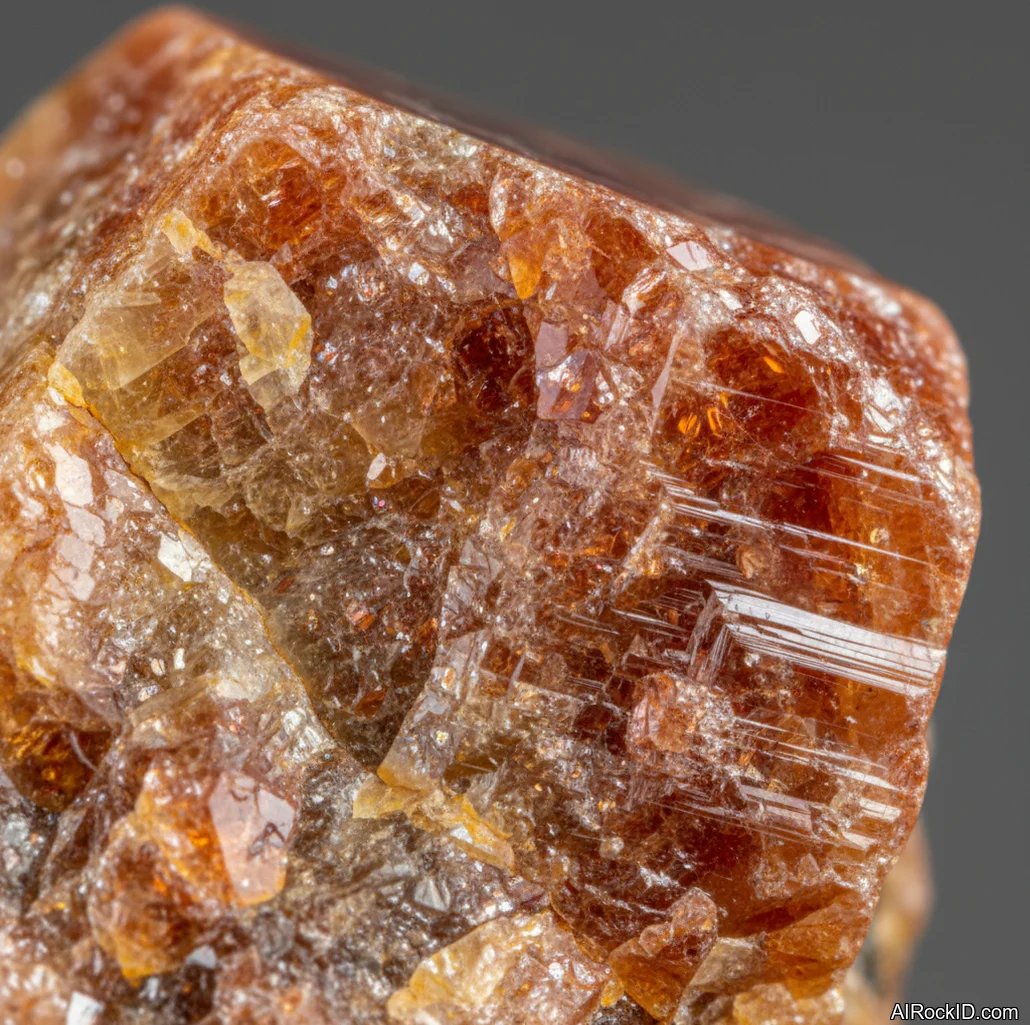
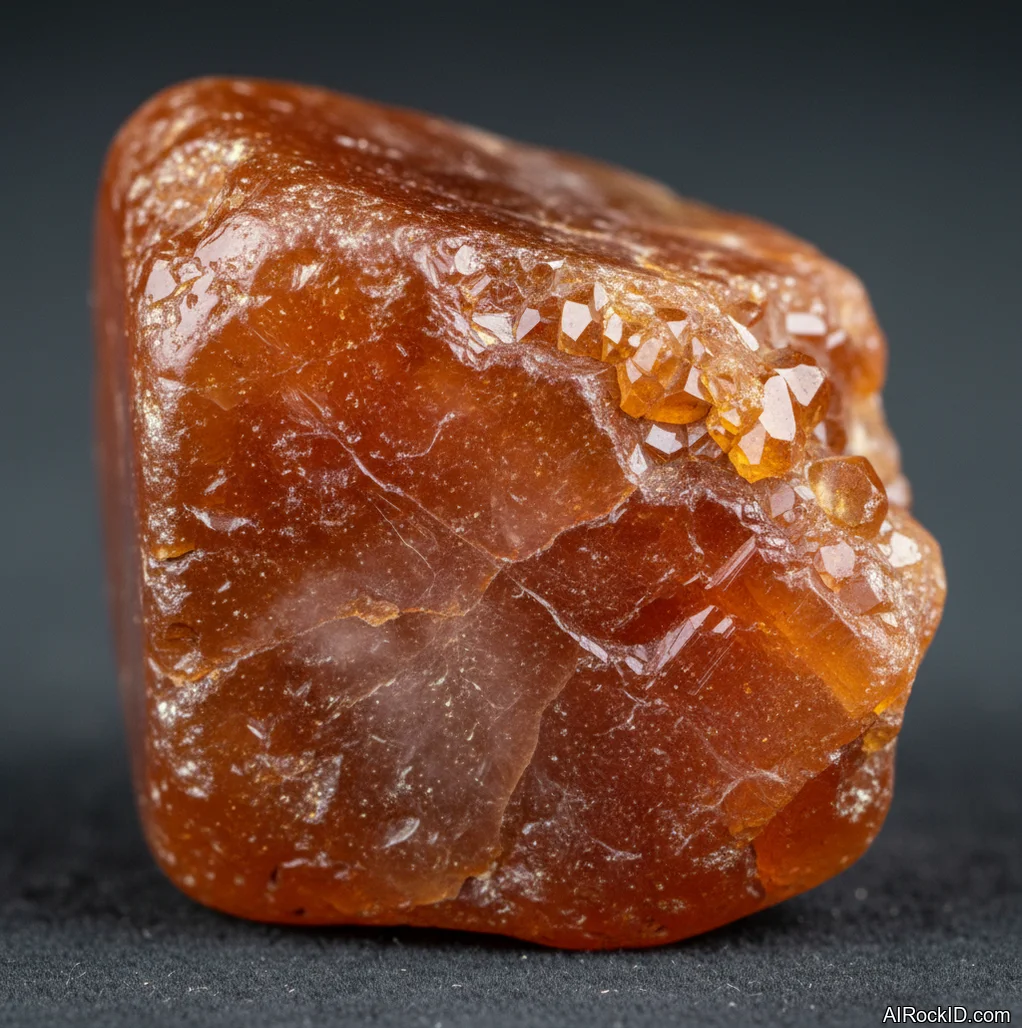
Orange aventurine is still quartz. It just gets its orange color from tiny inclusions, and those can give it that soft, sparkly aventurescence people chase.
Pick up a tumbled piece and you’ll notice the usual quartz heft right away. Not heavy like hematite, but it’s got that solid little weight for its size. The color tends to sit in the pumpkin-to-apricot range, not some neon traffic-cone orange, and it’s almost never perfectly even. I’ve got a few in my own pile where one side fades out to this pale, milky patch, then the other side pops with a coppery “sugar” flash when you tilt it under a lamp (desk lamp works best, honestly).
People see the orange and assume it’ll look like sunstone at first. But it doesn’t. Sunstone throws those bigger, platey flashes, while orange aventurine stays quieter, like fine glitter tucked just under the surface. And most of what’s out there for sale is tumbled, carved, or bead grade. Natural quartz crystals that are clean and sharp and still have real aventurescence? Those are a lot less common in the wild than all the polished pieces make it seem.
Origin & History
Aventurine, the name, comes from the Italian “a ventura,” which basically means “by chance.” And that’s a wink at aventurine glass (goldstone), which people say was found by accident when copper filings slipped into a pot of molten glass and, after it cooled, you got that glittery, peppered sparkle locked inside.
Thing is, the glass came first. Then the mineral trade borrowed the word because some quartz can show the same kind of glittery look.
Quartz itself was described and studied long before anyone was calling anything “aventurine,” so “Orange Aventurine” is really just a trade name for an included quartz variety, not a formally defined mineral species. In shops, it’s been used for decades as a handy label, mostly on bead strands and tumbled stones where the orange color and that sparkly texture are the whole point.
Where Is Orange Aventurine Found?
Most orange aventurine on the market is cut from massive quartz-rich material mined in Brazil and India, with smaller amounts from Russia and parts of Africa.
Formation
Most orange aventurine starts out as silica-heavy material that ends up crystallizing into quartz, either filling veins or forming as quartz-rich metamorphic rock. That orange color, plus the little glittery flash you see when you move it under a lamp, comes from tiny flat, flaky inclusions, usually hematite or goethite for the orange tone, and sometimes mica that kicks the light around.
Look, it’s not one big crystal pulling off the sparkle. It’s thousands of microscopic reflective bits, lined up just enough that they’ll grab light and throw it back at you. And it’s picky. Too few of those inclusions and you’re basically holding cloudy orange quartz with no real “flash.” Too many and the whole thing goes dull, kind of muddy, like the surface got smudged (you’ve probably seen that dead-looking patch in some pieces). The good material sits right in the middle: still clearly quartz, but with that flash that shows up when you tilt it.
How to Identify Orange Aventurine
Color: Warm orange to peach, often with milky zones and occasional brownish or reddish patches from iron oxides. Color is usually not perfectly uniform.
Luster: Vitreous overall, with a subtle glittery aventurescence on polished surfaces.
Pick up the piece and roll it under a single point light source. Real aventurine gives a fine, scattered sparkle that moves across the surface, not a single mirror-like flash. The real test is a loupe: you should see tiny reflective flecks inside the quartz, not a surface coating. And if it feels oddly warm and plasticky in your hand, be suspicious, because glassy fakes and dyed composites are out there.
Properties of Orange Aventurine
Physical Properties
| Crystal System | Trigonal |
| Hardness (Mohs) | 6.5-7 (Hard (6-7.5)) |
| Density | 2.62-2.66 g/cm3 |
| Luster | Vitreous |
| Diaphaneity | Translucent to opaque |
| Fracture | Conchoidal |
| Streak | White |
| Magnetism | Non-magnetic |
| Colors | Orange, Peach, Apricot, Reddish orange, Brownish orange |
Chemical Properties
| Classification | Silicates |
| Formula | SiO2 |
| Elements | Si, O |
| Common Impurities | Fe, Al, Ti |
Optical Properties
| Refractive Index | 1.544-1.553 |
| Birefringence | 0.009 |
| Pleochroism | None |
| Optical Character | Uniaxial |
Orange Aventurine Health & Safety
Orange aventurine is generally safe to handle, and since it’s a quartz variety, it’s safe in water too. Just treat it like you would any other stone: basic handling precautions, nothing fancy.
Safety Tips
If you’re going to cut or sand it, put on eye protection and a real respirator, not just a flimsy dust mask. Silica dust gets everywhere (you’ll taste it in the back of your throat if you don’t) and it’s a serious lung hazard.
Orange Aventurine Value & Price
Price Range
Rough/Tumbled: $2 - $20 per tumbled stone (hand size); $5 - $60 for small carvings
Cut/Polished: $0.50 - $5 per carat
Price mostly comes down to how even the color looks, how much that aventurescence actually pops when you tilt it under a lamp, and whether the material’s clean enough to cut cabochons instead of ending up as basic tumbles.
Durability
Durable — Scratch resistance: Good, Toughness: Good
It’s stable quartz, but polished pieces can still chip on sharp edges if you toss them in a pocket with keys.
How to Care for Orange Aventurine
Use & Storage
Store it in a soft pouch or a divided box if it’s polished, since quartz will scuff softer stones and can get scuffed by harder things like corundum. Raw chunks are tougher, but they still pick up dings on corners.
Cleaning
1) Rinse with lukewarm water and a drop of mild soap. 2) Use a soft toothbrush to get into pits or drill holes on beads. 3) Rinse well and pat dry; avoid harsh cleaners that can leave a film.
Cleanse & Charge
If you do energetic cleansing, a quick rinse and a dry-off works fine, or set it on a windowsill for indirect light. Don’t bake it in full sun for days just because someone online said so.
Placement
On a desk it reads warm and friendly, especially under a lamp where the sparkle actually shows. In a dark corner it can look like a plain orange pebble.
Caution
Skip ultrasonic cleaners on drilled beads or anything with fractures, and don’t crank up the heat. So if you want that polish to stay crisp, keep it away from abrasive grit, too.
Works Well With
Orange Aventurine Meaning & Healing Properties
A lot of dealers file orange aventurine under the same “feel-good orange stone” shelf as carnelian and sunstone, and honestly, I understand the comparison. When I use it, though, it comes off calmer than carnelian. Carnelian can hit like a shot of espresso. Orange aventurine feels more like steady hands and a decent plan.
Grab a smooth palm stone and you notice the surface right away. It’s slick, not waxy, and it stays cool in your hand for a minute before it starts to warm up. That initial coolness is a big reason people reach for quartz varieties when they’re trying to settle down and focus. I’ve used mine like a worry stone on long drives, and at loud gem shows when my brain’s already full (you know that overstimulated, too-many-people feeling?).
But look, I’m going to be blunt. Any claims about health outcomes belong with a doctor, not a rock. If you like the stone for mood, routine, or setting intentions, fine. The practical part is simpler: orange aventurine is tough, inexpensive, and easy to carry, so you actually use it instead of leaving it at home because you’re afraid of messing it up.
Identify Any Crystal Instantly
Snap a photo and get properties, value, care instructions, and healing meanings in seconds.