Orange Selenite
What Is Orange Selenite?
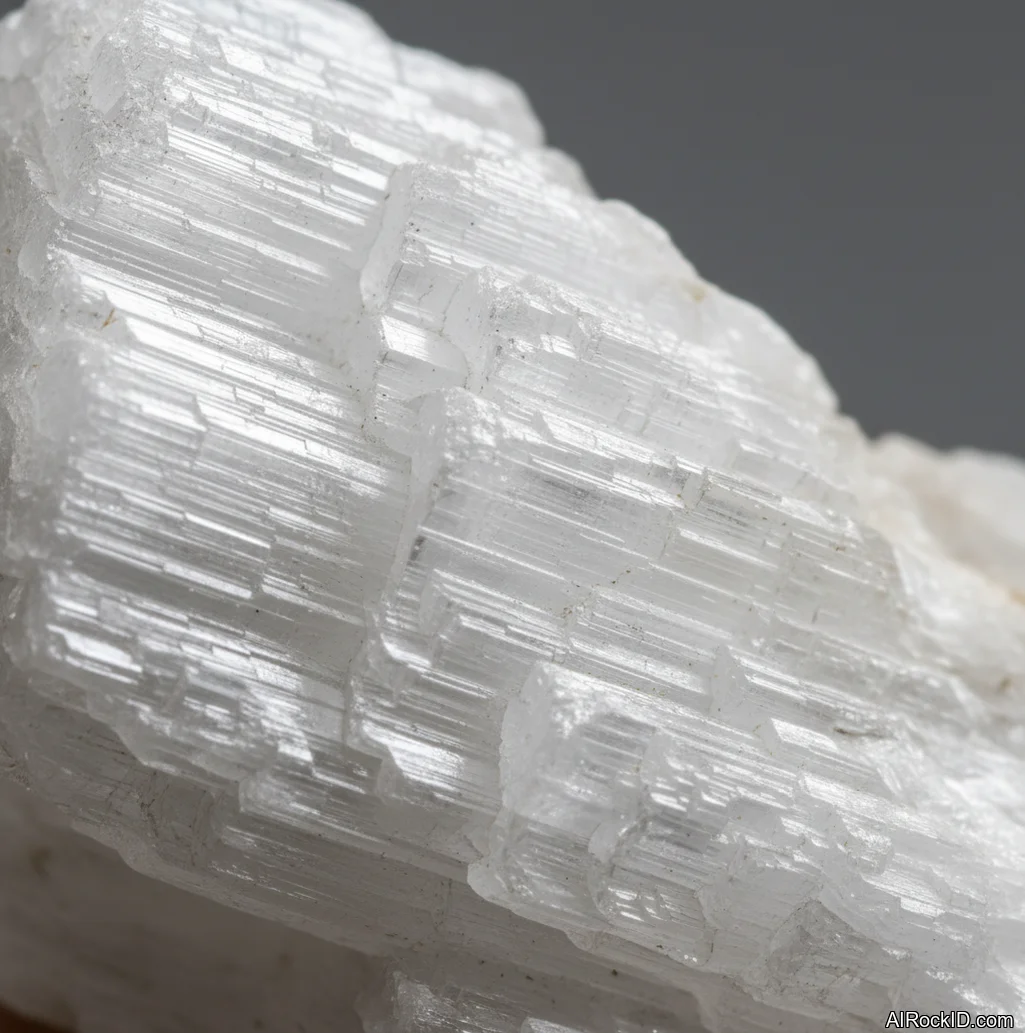
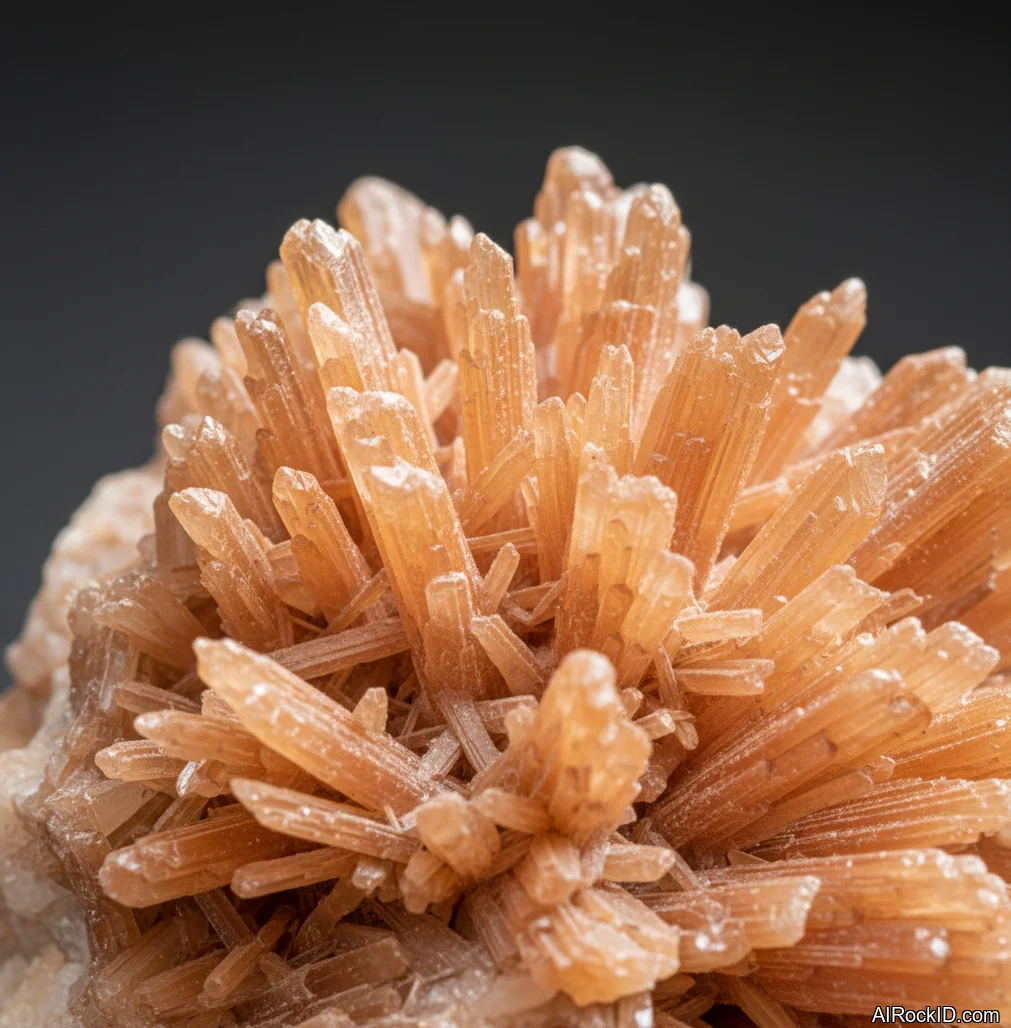
Orange selenite is a variety of gypsum (CaSO4·2H2O), and it gets that warm orange to honey color from iron-stained layers or little inclusions. In your hand, it’s basically the same family as those white selenite wands everybody’s seen, just with that sunset tint that makes the chatoyancy jump a bit more when you hold it under a lamp.
Grab a chunky piece and the first thing you notice is how weirdly light it feels for its size. And it stays cool to the touch, even after it’s been sitting in a warm room. Drag a fingernail along a natural face and there’s this soft, slightly waxy resistance. Not gritty. More like a gentle tug. If it’s satin spar material, you’ll see that “cat’s eye” stripe glide across the surface when you tilt it. It looks amazing in photos, but man, it also shows every little ding. One bump on a countertop and you’ll spot it right away.
But here’s the reality check: a lot of what’s sold as “orange selenite” is actually satin spar gypsum. Shops use selenite like a catch-all label. True selenite is the clearer, more glassy, platey stuff, while satin spar is fibrous and silky. Both are gypsum, both are soft, and both hate water. (Seriously, don’t get it wet.)
Origin & History
People have known about gypsum since way back in antiquity. But the word “selenite” is from the Greek *selēnē*, meaning moon, which makes sense once you’ve tilted a piece and seen that soft, milky glow flashing off the cleavage faces.
Gypsum as a mineral species got formally described in the early modern era, then later standardized when mineralogy got its paperwork in order. Thing is, none of that stopped people from using gypsum plaster thousands of years earlier, long before anyone cared about a proper species description.
“Orange selenite” isn’t an official mineral name. It’s a trade name dealers use. The orange color usually comes from iron oxides or clay staining in the same evaporite beds that also kick out the white material (you’ll sometimes even see the color sitting in thin, dusty-looking bands). So once the décor and metaphysical market got bigger, sellers leaned hard into color names, and now “orange selenite” is basically a standard bin label at shows.
Where Is Orange Selenite Found?
Orange gypsum sold as orange selenite is most often from evaporite deposits in Morocco and Mexico, with additional material from the USA and Mediterranean evaporite basins.
Formation
Most orange selenite forms the exact same way the white stuff does: salty water dries up and leaves sulfate minerals behind. Picture a shallow marine basin, a salt flat, or one of those closed desert lakes where the water comes and goes and the chemistry keeps getting stronger each cycle. Gypsum drops out early, then later fluids can tint it orange when iron oxides creep through tiny cracks and along the layers.
Look at a raw chunk up close and you can usually read the whole process in the bands. You’ll see a pale cream stripe, then a rusty orange seam, then clear-ish gypsum again (sometimes it’s so glassy it almost looks wet when you tilt it). That’s usually not “heat treatment” or anything dramatic. It’s just the growth conditions shifting over time, plus a bit of iron tagging along. How else would those sharp color breaks show up?
How to Identify Orange Selenite
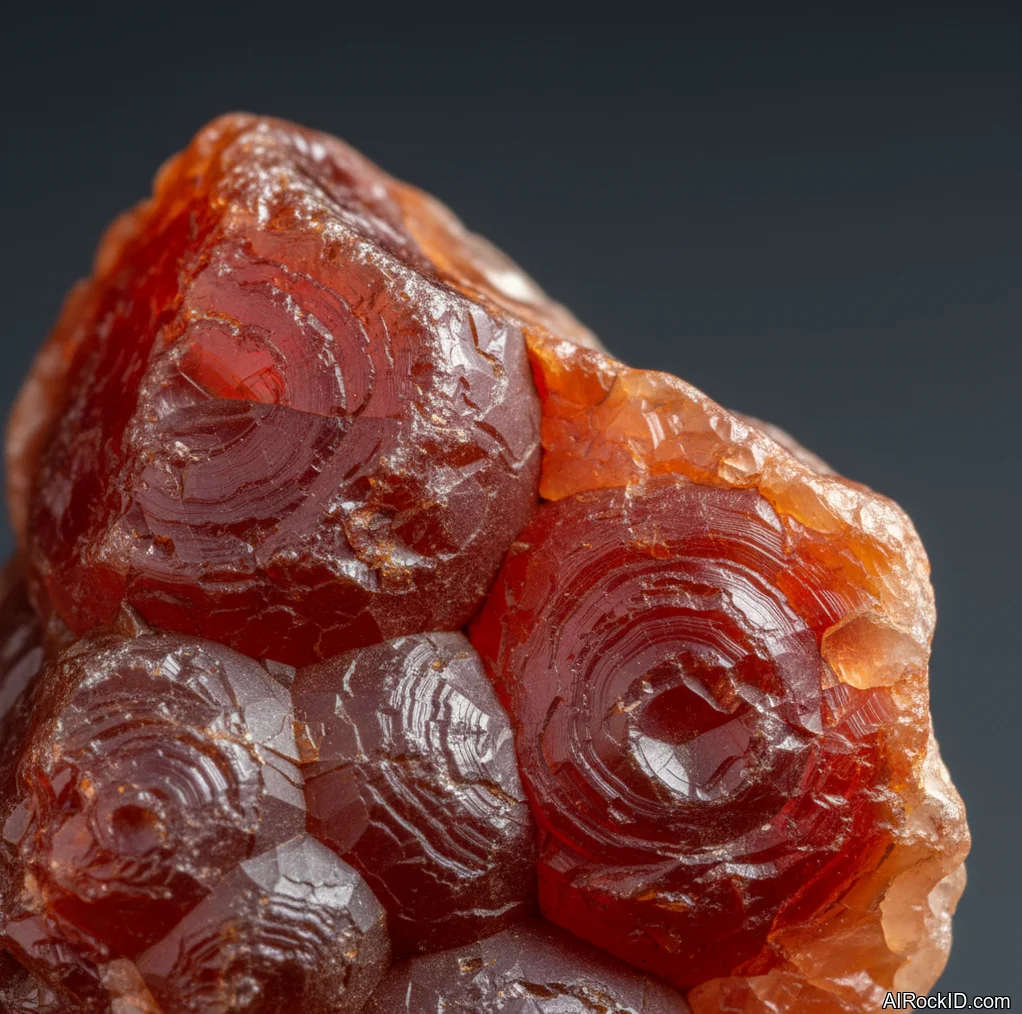
Color: Orange selenite ranges from pale apricot and honey to deeper caramel-orange, often as bands or clouds rather than a perfectly even color. The color usually sits along layers, fractures, or outer surfaces where staining happened.
Luster: Luster is silky on satin spar and vitreous to pearly on clearer, platey selenite.
If you scratch it with a fingernail, it’ll mark easily because gypsum is Mohs 2. The real test is cleavage: snap-prone, very flat faces that flash when you rotate them, and satin spar shows those parallel fibers like a bundle of hair frozen in stone. Cheap versions in orange glass feel warmer and won’t scratch with a nail, and they also won’t show that soft, fibrous shimmer.
Properties of Orange Selenite
Physical Properties
| Crystal System | Monoclinic |
| Hardness (Mohs) | 2 (Very Soft (1-2)) |
| Density | 2.30-2.33 g/cm3 |
| Luster | Pearly |
| Diaphaneity | Transparent to translucent |
| Fracture | Uneven |
| Streak | White |
| Magnetism | Non-magnetic |
| Colors | orange, honey, apricot, cream, white, tan |
Chemical Properties
| Classification | Sulfates |
| Formula | CaSO4·2H2O |
| Elements | Ca, S, O, H |
| Common Impurities | Fe, Al, Si, Cl |
Optical Properties
| Refractive Index | 1.519-1.523 |
| Birefringence | 0.004 |
| Pleochroism | None |
| Optical Character | Biaxial |
Orange Selenite Health & Safety
Orange selenite is fine to pick up and hold, but don’t breathe in any dust if you sand it or snap a piece off (that powder gets everywhere). It also doesn’t like water. If you leave it soaking for a while, the surface can get damaged.
Safety Tips
If you’ve got to cut it or sand it, do it somewhere with good airflow. Put on a dust mask too. That fine powder gets everywhere. When you’re done, wipe things down with a damp cloth (it grabs the dust way better than a dry rag). And keep the piece away from sinks, aquariums, or that humid windowsill that always beads up with condensation.
Orange Selenite Value & Price
Price Range
Rough/Tumbled: $5 - $60 per piece
Price mostly comes down to size, how strong that orange color is, and if the surface looks clean and properly finished. Bigger, lamp-grade chunks and well-shaped towers run higher, but the material itself is still pretty common.
Durability
Fragile — Scratch resistance: Poor, Toughness: Poor
Gypsum is very soft and can bruise, cleave, or dissolve at the surface if it’s handled roughly or exposed to water for long.
How to Care for Orange Selenite
Use & Storage
Store it like you’d store a soft chalky mineral: separate pouch or a box compartment so it doesn’t get scratched up. And don’t stack pieces, because the edges will bite into each other over time.
Cleaning
1) Dust with a dry microfiber cloth or a soft makeup brush. 2) For grime, wipe lightly with a barely damp cloth and dry right away. 3) Skip soaking, sprays, salt water, and ultrasonic cleaners.
Cleanse & Charge
For non-water cleansing, use smoke, sound, or setting it on a dry plate for a while. If you leave it in sun, keep it brief because surface dryness and micro-scratches show faster over time.
Placement
Put it somewhere it won’t get bumped, like a shelf away from the edge. Satin spar looks best under a single light source so the silky banding actually shows.
Caution
Don’t soak orange selenite, and don’t leave it sitting in a steamy bathroom either. Thing is, moisture gets into it fast. When you’re moving a tower, grab it by the base, not the tip. The pointy end chips easier. And if it ever takes a fall, check it right after for cleavage splits. They can show up as a fresh hairline you can feel with a fingernail (even if it looked fine at first).
Works Well With
Orange Selenite Meaning & Healing Properties
Orange selenite, at a glance, is basically “selenite, but warmer,” and honestly that’s how most people treat it. I’ve got a piece in my own stash that lives on my desk because it’s a total light-chameleon. Morning sun turns it into this pale honey color. But at night, under a warm bulb, the orange bands look tighter and the silky sheen gets almost obnoxious.
On the metaphysical side, people usually link selenite with clarity and that clean, bright feeling. And the orange tint tends to get lumped in with motivation, mood, plus a calmer vibe that feels more grounded. But here’s the thing that actually matters: none of that is medical care. If you like the little ritual of picking it up, taking a breath, and using it as a reset button before you dive back into work, that’s a real, felt habit even if what’s really doing the heavy lifting is attention and routine.
The big issue with orange selenite is people expect it to act like quartz. It won’t. It scratches if you so much as side-eye it, and it can flake along the cleavage planes. So if your thing is carrying a stone in your pocket all day, this one’s going to look cloudy and beat up pretty fast. I’ve got a satin spar wand that started out glassy, and now it has these little thumb-worn matte patches (you can see exactly where my hand sits) from being handled during long phone calls.
Identify Any Crystal Instantly
Snap a photo and get properties, value, care instructions, and healing meanings in seconds.