Purple Jade
What Is Purple Jade?
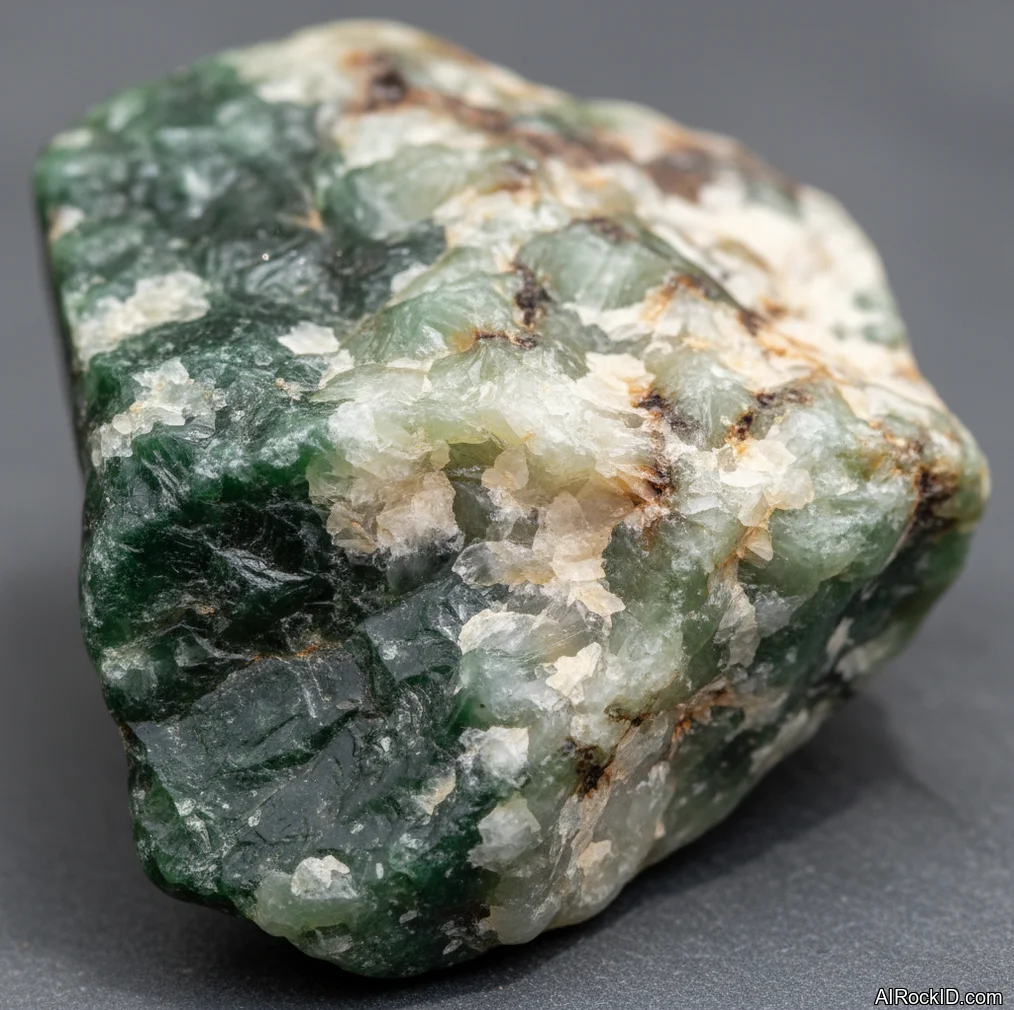
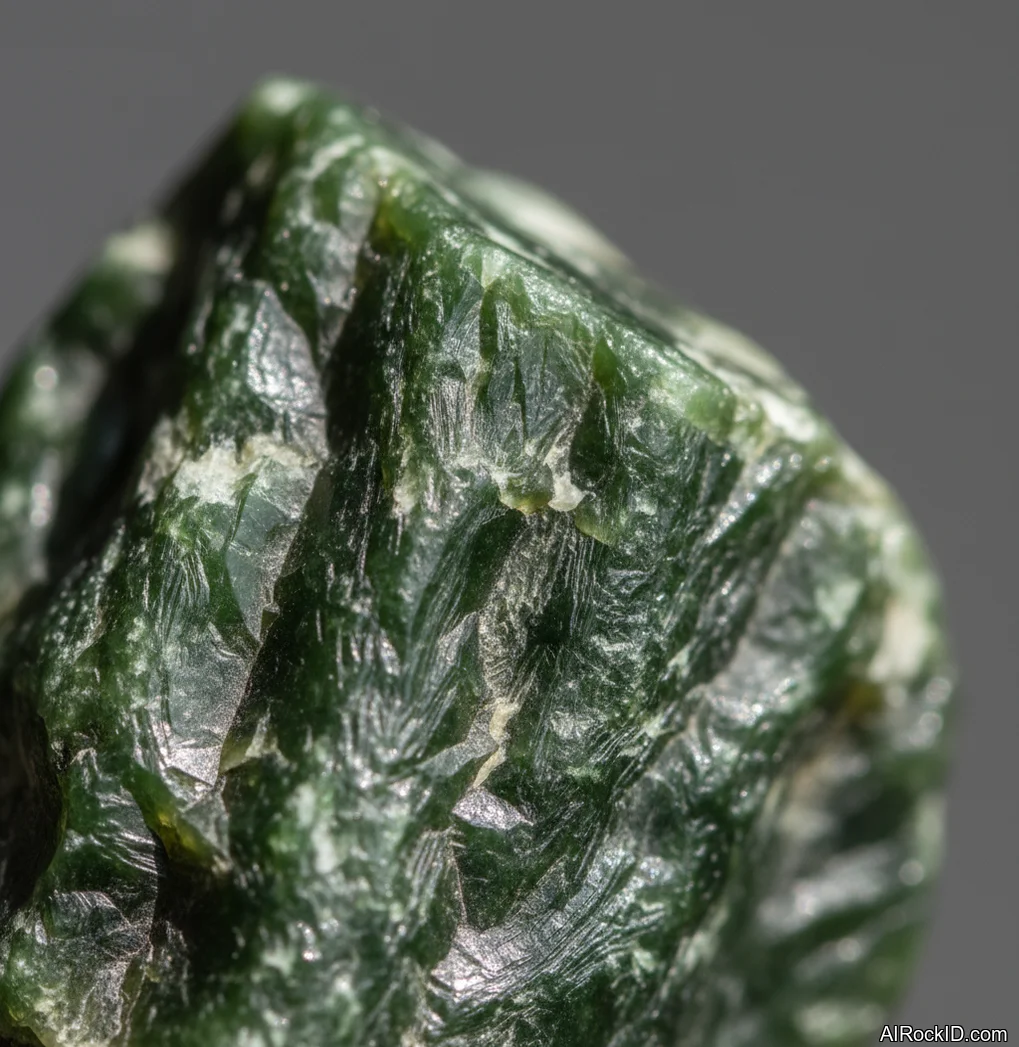
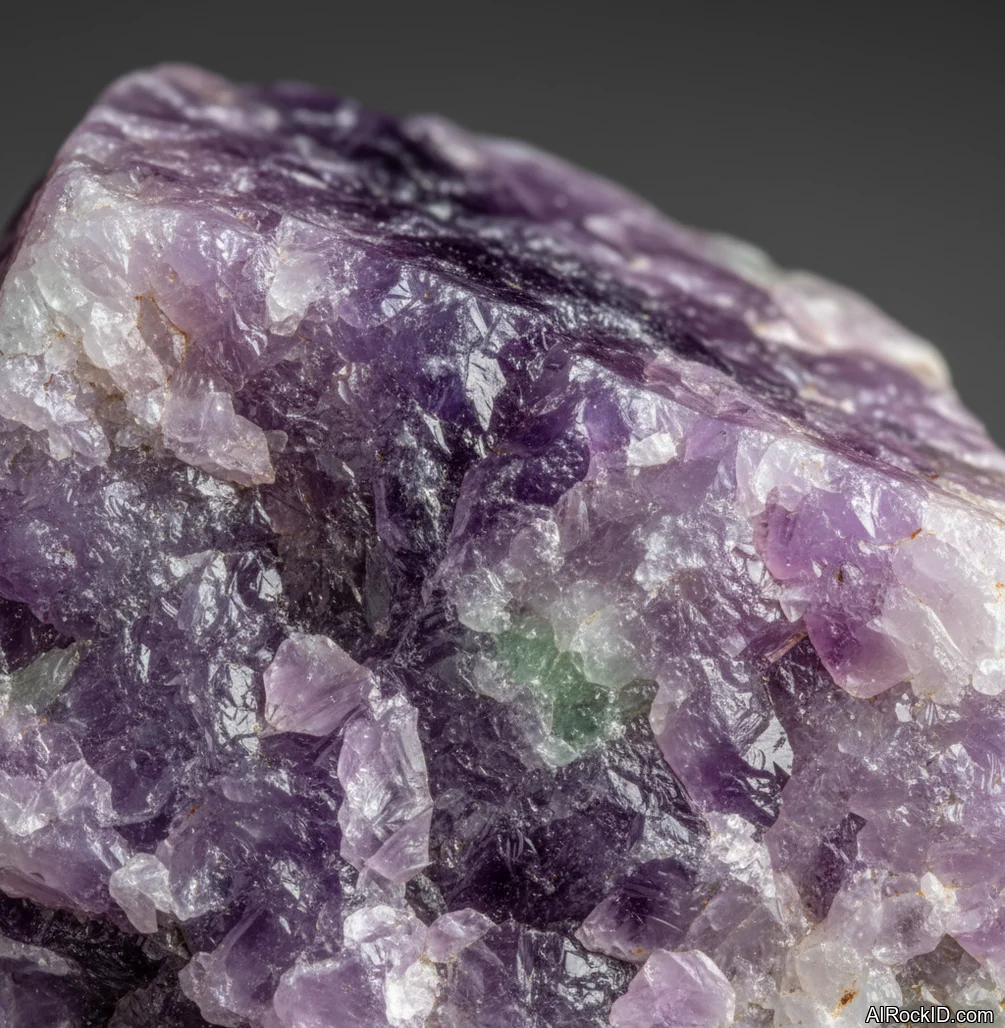
Purple Jade is jadeite jade that runs purple to lavender. It’s a tough pyroxene mineral, and people use it as a gemstone and as an ornamental stone.
Pick up a solid piece and, honestly, two things jump out fast. It feels heavier than it looks. And it stays cool against your palm longer than glass or plastic does. The surface has that classic jade vibe too, more smooth and waxy than sparkly, even when it’s been polished up.
Thing is, a lot of folks expect a clean, even purple like amethyst. That’s usually not what you get. Most real purple jade is cloudy, mottled, or streaky, with pale lavender next to deeper plum patches, kind of like milk swirling through tea (you know the look).
Origin & History
Jadeite got its official write-up as a mineral species in 1863, thanks to Alexis Damour, a French mineralogist. He’d been studying “jade” objects and had that moment of realization: people were selling two different materials under the same name. So he called one of them jadeite, leaning on that old European lapidary phrasing that ties jade to the “stone of the loins” (yeah, that’s the actual wording).
And “purple jade” isn’t a separate species name at all. It’s just a trade label dealers and collectors use for jadeite that shows purple tones because of trace chemistry and microstructure. Walk through a show or poke around a shop and you’ll hear “lavender jade” for the lighter, pastel stuff, while “purple jade” tends to get slapped on anything in the lilac to grayish-violet range. How consistent is that? Not very.
Where Is Purple Jade Found?
Most fine jadeite on the market traces back to Myanmar, with important material also from Guatemala and Japan. Purple-toned jadeite shows up in the same jadeite belts, just in smaller runs.
Formation
Jadeite grows in high-pressure, relatively low-temperature metamorphic conditions. The kind of place you’re talking about is a subduction zone, where oceanic crust gets shoved downward and squeezed like crazy. You’ll see it around serpentinite bodies, hanging out next to blueschist and eclogite, with fluids moving through the rock the whole time.
If you’ve ever tilted a polished cab under a lamp, you can sometimes spot what makes it so tough. It isn’t one single crystal. It’s more like a tight, interlocking felt of tiny grains, and that slightly “woven” look is the giveaway (especially when the surface has that slick, waxy shine). That texture is why jadeite holds up so well in jewelry, even though its hardness isn’t anything wild.
As for the purple color, that usually comes down to trace elements plus defects in the crystal lattice. Most dealers will point straight at manganese, and yeah, that’s often part of the story, but the exact cause can shift depending on the deposit and the stone’s treatment history. And treatments do exist. We’ll get into that more in identification.
How to Identify Purple Jade
Color: Purple Jade ranges from pale lavender and lilac to gray-violet and plum, often with mottling, streaks, or patchy clouds. Strong, even purple is less common than mixed tones.
Luster: Polished surfaces show a waxy to slightly greasy luster rather than a bright glassy shine.
Pick up the piece and judge the temperature. Real jadeite tends to feel cool and dense, while dyed quartzite and glass fakes often feel warmer and a bit “slick” in a different way. If you’ve got a loupe, look for a fine, sugary granular texture instead of bubbles or swirly flow lines. The real test is a refractive index check or having a lab confirm polymer impregnation, because some treated jade can look totally convincing in hand.
Properties of Purple Jade
Physical Properties
| Crystal System | Monoclinic |
| Hardness (Mohs) | 6.5-7 (Hard (6-7.5)) |
| Density | 3.30-3.38 g/cm3 |
| Luster | Waxy |
| Diaphaneity | Translucent to opaque |
| Fracture | Uneven |
| Streak | White |
| Magnetism | Non-magnetic |
| Colors | Lavender, Lilac, Purple, Gray-violet, Plum, White |
Chemical Properties
| Classification | Silicates |
| Formula | NaAlSi2O6 |
| Elements | Na, Al, Si, O |
| Common Impurities | Mn, Fe, Cr, Ca, Mg |
Optical Properties
| Refractive Index | 1.654-1.667 |
| Birefringence | 0.013 |
| Pleochroism | Weak |
| Optical Character | Biaxial |
Purple Jade Health & Safety
Purple Jade (jadeite) is usually fine to handle, and it won’t freak out if it gets wet. I’ve rinsed pieces off under the tap and they’re still just as slick and heavy in the hand afterward. But if you’re cutting or grinding it, treat it like any other lapidary job: wear eye protection, keep the dust down with water, and don’t breathe the powder. Normal lapidary precautions still apply.
Safety Tips
If you’re going to shape this stuff, put on a respirator. And don’t dry-grind it. Do it wet so the dust stays down (that fine powder gets everywhere).
Purple Jade Value & Price
Price Range
Rough/Tumbled: $15 - $300 per piece
Cut/Polished: $10 - $150 per carat
Price can jump all over the place depending on translucency, how even the color looks, and whether it’s untreated. A small, clean, translucent lavender cab, the kind you can hold up to a desk lamp and see light wash through the edges, can cost more than a chunky dark purple carving that looks cool in the hand but goes opaque the second you tilt it.
Durability
Durable — Scratch resistance: Good, Toughness: Excellent
Jadeite is very tough in daily wear, but surface polish can dull if it’s rubbed against harder grit like quartz sand.
How to Care for Purple Jade
Use & Storage
Store it away from harder stones like quartz and topaz so the polish doesn’t get hazed up. I keep jade pieces in a soft pouch because they love picking up micro-scratches from gritty drawers.
Cleaning
1) Rinse with lukewarm water and a drop of mild soap. 2) Use a soft toothbrush to get into carvings and around drill holes. 3) Rinse well and dry with a microfiber cloth.
Cleanse & Charge
If you do energy cleansing, a simple rinse and a quiet place overnight works fine. Avoid harsh salt soaks if you don’t know whether the jade has polymer treatment.
Placement
On a desk or nightstand it looks best under soft, angled light since waxy luster doesn’t pop under harsh direct beams. If it’s a bangle, wear it, but take it off before gardening or lifting rough stuff.
Caution
Skip ultrasonic and steam cleaners, especially if the jadeite might be impregnated or dyed, because that kind of vibration and heat can mess with treated material. And don’t park it in a sunny window for months either if the color seems delicate or treated, since long, direct sun can fade it over time.
Works Well With
Purple Jade Meaning & Healing Properties
Look at how people actually use purple jade out in the wild and it’s usually about steadiness, not fireworks. When I’m sorting a tray at a show, I watch people’s hands hover, then they keep coming back to the softer lavender pieces when they want something calming that still feels “strong” when you close your fingers around it. It lines up with the stone’s physical vibe, too. It’s dense. Grounded. You can feel the weight for its size, and the surface has that cool-at-first, slow-to-warm thing that good jade tends to have.
Compared to something like amethyst, purple jade feels quieter. Less dreamy, more settled. Thing is, if you’re the kind of person who gets mentally spun up, a smooth purple jade palm stone gives your hands something to do without that sharp, zingy sensation you get from clearer quartz. But I’m going to say it plainly: none of this replaces medical care. Use it like a personal ritual tool, not a treatment. That’s it.
The headache with purple jade in the metaphysical market is the name gets tossed around way too casually. Some stuff sold as “purple jade” is dyed quartzite, dyed calcite, or even glass, and those don’t hold up the same way in real use or in durability. And when somebody tells me a piece feels “off,” half the time it’s because it isn’t jadeite at all, or it’s been heavily polymer-filled, and you get that faintly plastic vibe as it warms in your palm (you know the feeling, right?).
Identify Any Crystal Instantly
Snap a photo and get properties, value, care instructions, and healing meanings in seconds.