Ruby Zoisite Anyolite
What Is Ruby Zoisite Anyolite?
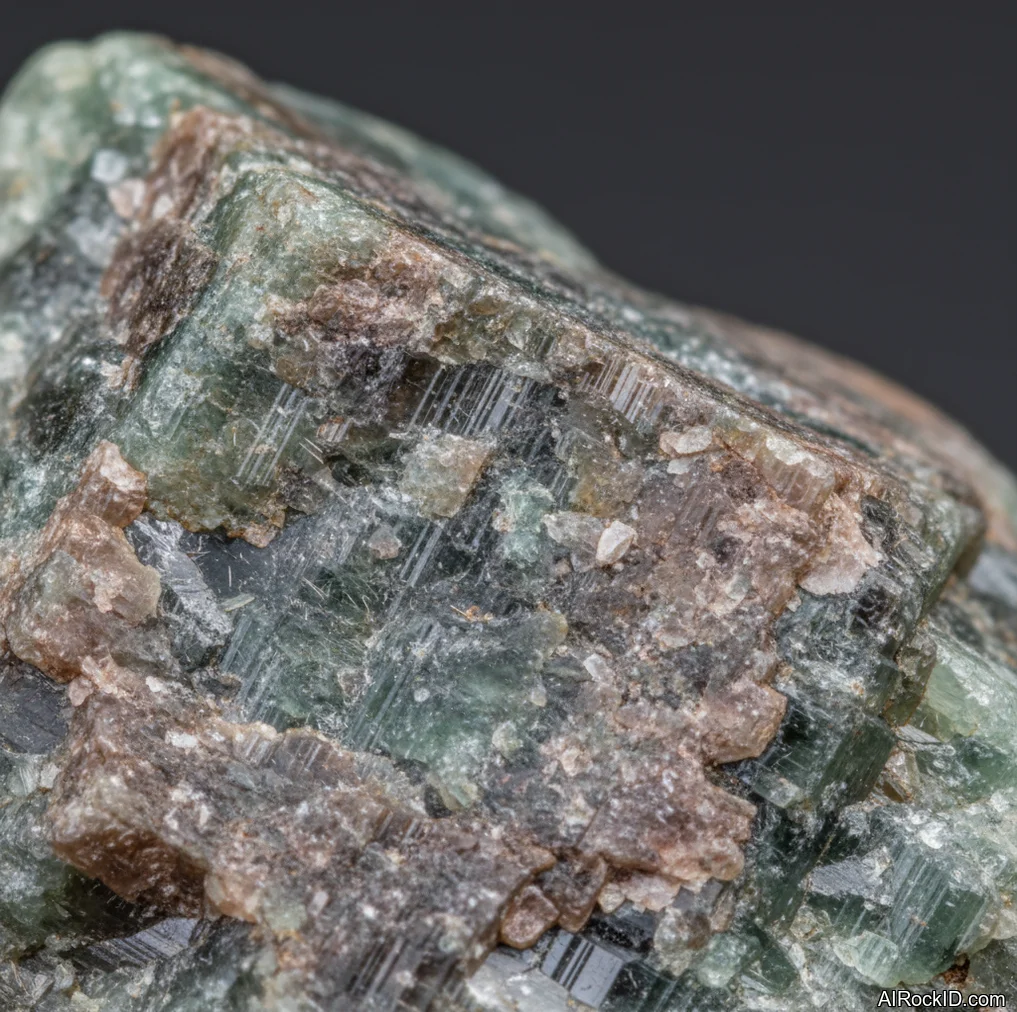
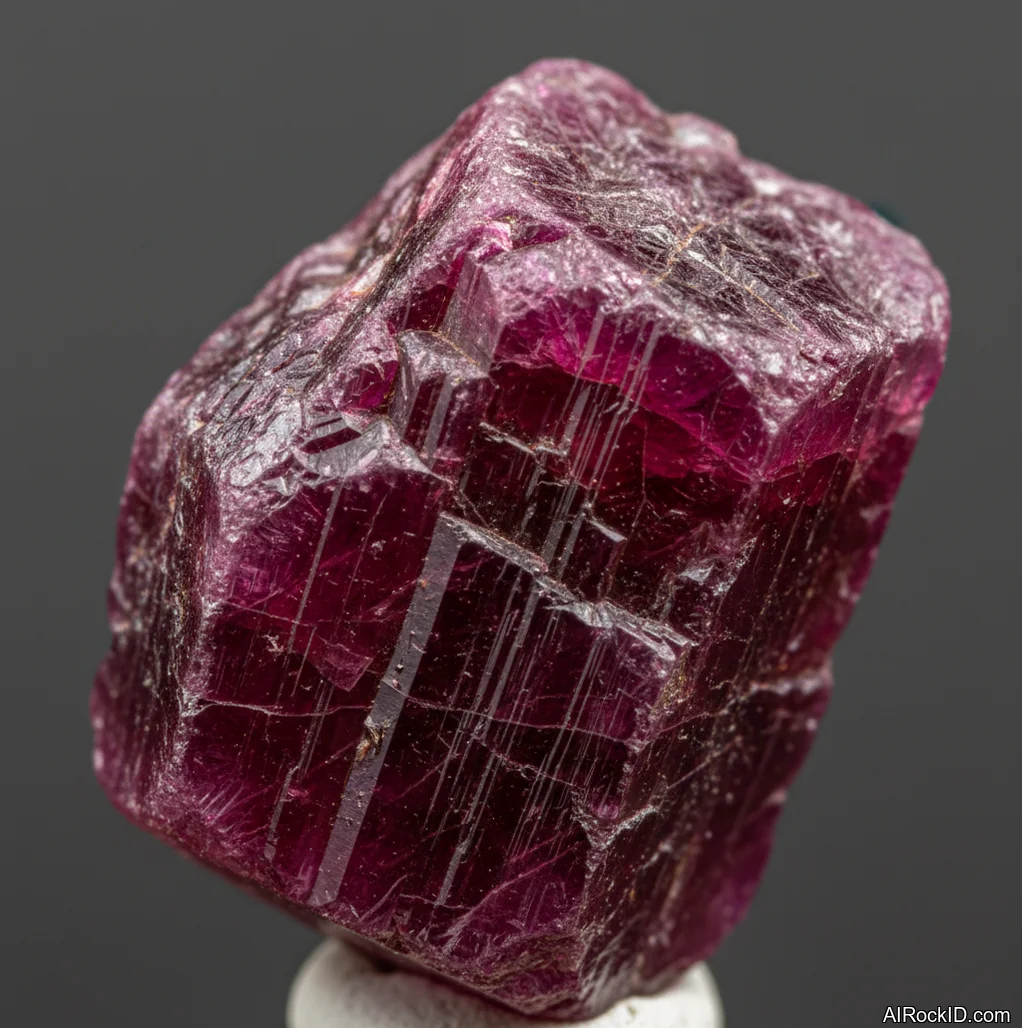
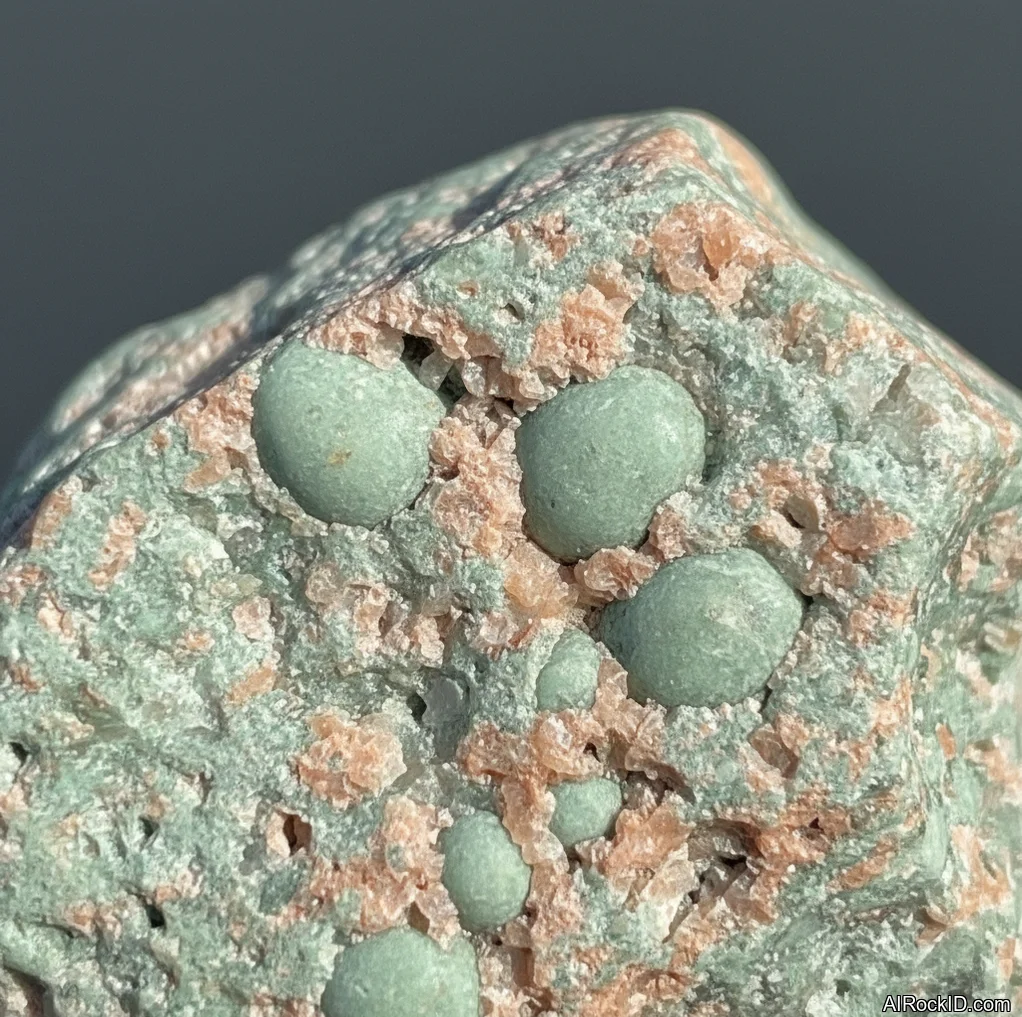
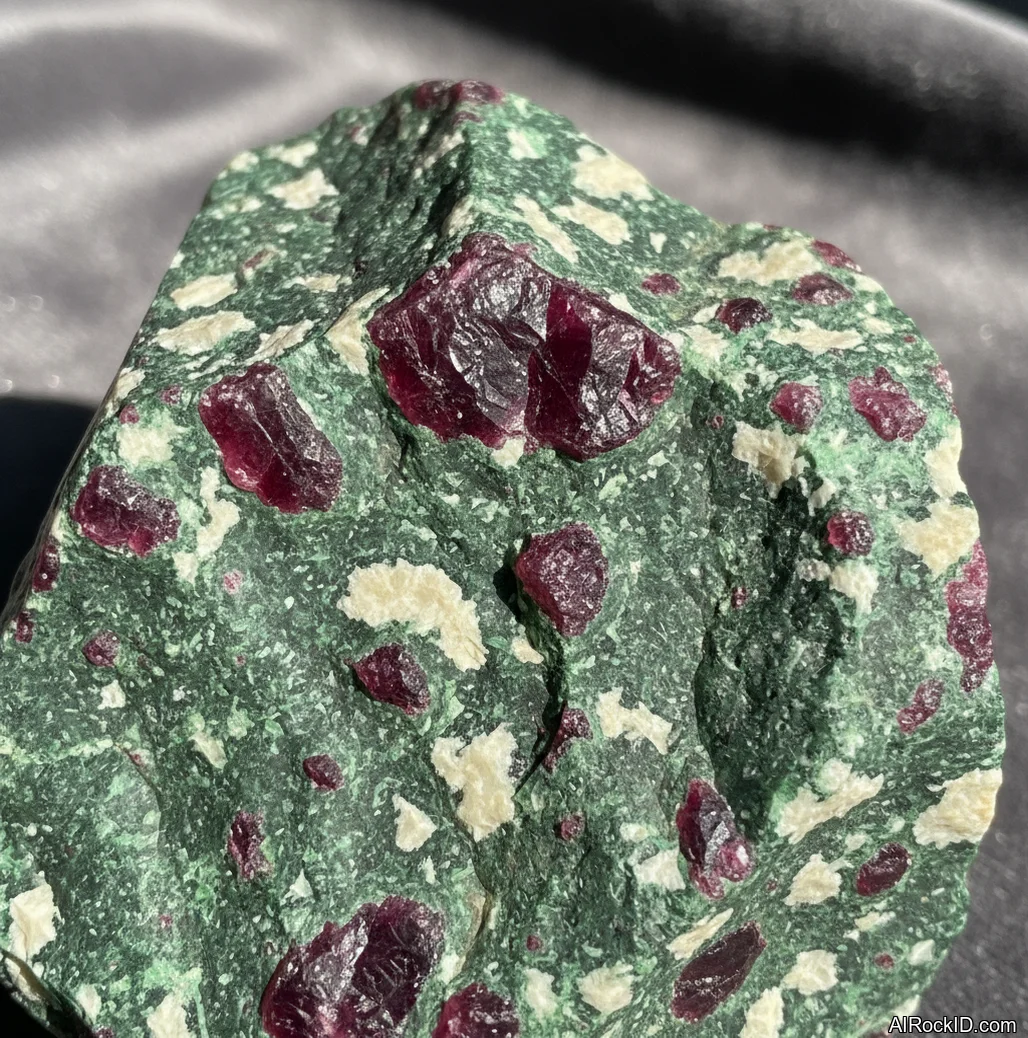
Ruby Zoisite Anyolite is a metamorphic rock made of green zoisite with embedded ruby (corundum), and you’ll usually see black amphibole running through it too.
Grab a palm stone and you can tell right away it’s not “one mineral” sitting in your hand. It’s a patchwork. The green parts feel a little waxy, almost like they’ve got a soft drag to them, and the ruby bits are harder and tend to sit slightly proud after polishing so you can feel tiny raised bumps if you run a thumb over the surface. Then there are those dark seams, like someone touched the stone with a marker and the ink bled into the cracks. The nicer pieces have ruby that’s actually red, not just muddy brown spots, and the green stays grassy instead of sliding into that dull gray-green.
People see the word “ruby” and expect sparkly crystals. Not really. Most anyolite is opaque and chunky, so it reads more like a color rock than a crystal showpiece. But cut it well and the red-green-black contrast pretty much carries the whole look, especially under warm indoor light where the ruby patches seem to deepen.
Origin & History
Anyolite takes its name from the Maasai word “anyoli,” which means green, pointing straight at the zoisite it sits in. People really started hearing about it once East African deposits hit the market, and ruby-bearing zoisite got recognized and sold as an ornamental stone in the 20th century.
Zoisite was actually pinned down much earlier, back in 1805, when Abraham Gottlob Werner described it and named it after Sigmund Zois, a Slovenian nobleman and mineral collector. But the whole “ruby in zoisite” pairing showed up later, when miners and dealers noticed the color contrast moves stones (even if the ruby itself isn’t gemmy).
Where Is Ruby Zoisite Anyolite Found?
Most commercial anyolite comes from Tanzania near Longido, with smaller occurrences reported in nearby East African belts and a few other metamorphic terrains.
Formation
Think metamorphism where nothing sits still for long. Zoisite grows in calcium-aluminum rich rocks that get cooked and squeezed, usually during regional metamorphism, and you’ll often have fluids threading through tiny cracks and grain boundaries, shuffling the chemistry as they go.
Ruby’s pickier. It needs aluminum and the right setup to crystallize as corundum, and in anyolite it turns up as red corundum lodged right in the zoisite matrix. If you’ve ever held a raw piece and turned it in the light, you can sometimes spot the ruby as little rounded grains instead of clean hexagonal prisms. And those black streaks? Most of the time that’s amphibole, often pargasite or hornblende, slipping in when the rock’s chemistry and the metamorphic grade let it.
How to Identify Ruby Zoisite Anyolite
Color: Green zoisite is the main body color, with red to purplish-red ruby patches and frequent black amphibole veining or blotches. The green can range from pistachio to darker, more forest tones depending on iron and inclusions.
Luster: Polished surfaces show a waxy-to-vitreous look, with ruby areas tending more vitreous than the zoisite.
Pick up a polished piece and run your thumb across it. The ruby zones often feel slightly higher or “crisper” because corundum takes a tighter polish than the surrounding zoisite. If you scratch it with a steel blade, the zoisite can take a faint mark but the ruby won’t. And watch for dyed lookalikes: if the green is neon-uniform and the black looks like painted lines, walk away.
Properties of Ruby Zoisite Anyolite
Physical Properties
| Crystal System | Orthorhombic |
| Hardness (Mohs) | 6.0-7.5 (Hard (6-7.5)) |
| Density | 3.10-3.38 g/cm3 |
| Luster | Vitreous |
| Diaphaneity | Opaque |
| Fracture | Uneven |
| Streak | White |
| Magnetism | Non-magnetic |
| Colors | Green, Red, Black, Pink, Gray-green |
Chemical Properties
| Classification | Silicates |
| Formula | Ca2Al3(SiO4)(Si2O7)O(OH) (zoisite) + Al2O3 (corundum ruby) |
| Elements | Ca, Al, Si, O, H |
| Common Impurities | Fe, Cr, V, Ti |
Optical Properties
| Refractive Index | 1.691-1.700 (zoisite); 1.762-1.770 (corundum ruby) |
| Birefringence | 0.009 (zoisite); 0.008 (corundum) |
| Pleochroism | Strong |
| Optical Character | Biaxial |
Ruby Zoisite Anyolite Health & Safety
Normal handling is safe, and a quick splash of water won’t hurt it. Thing is, the real problem shows up if you cut or grind it and kick up dust.
Safety Tips
If you’re going to do any lapidary work on it, put on a respirator and do your cutting wet so you keep the dust down. Dry grinding kicks up that fine, clingy powder that ends up on your hands and the bench (and in your nose if you’re not careful).
Ruby Zoisite Anyolite Value & Price
Price Range
Rough/Tumbled: $5 - $120 per piece
Cut/Polished: $2 - $25 per carat
Price swings mostly come down to two things: how hard the colors pop against each other, and how good the polish actually gets in the hand. Big, carvable chunks that stay clean and saturated green with a true red ruby fetch more money, while the muddy, fractured stuff doesn’t.
Durability
Moderate — Scratch resistance: Fair, Toughness: Fair
It wears like a mixed-material rock: the zoisite can scuff while the ruby stays glossy, so pieces can look “tired” after a lot of handling.
How to Care for Ruby Zoisite Anyolite
Use & Storage
Store it like you’d store most polished stones: separate from softer stuff so it doesn’t pick up scratches and so it doesn’t scratch your calcite or fluorite. If it’s a carving with thin parts, wrap it because the zoisite can chip on edges.
Cleaning
1) Rinse with lukewarm water. 2) Use a drop of mild soap and a soft toothbrush for crevices. 3) Rinse well and dry with a soft cloth.
Cleanse & Charge
A quick rinse and a dry wipe is plenty if you like water cleansing. If you don’t want water, set it on a shelf overnight and call it good.
Placement
It looks best where light grazes the surface from the side, since the ruby patches pop when you tilt it. Keep it out of harsh window sun if you’ve got a very polished display piece, since constant heat and UV can dull some finishes over time.
Caution
Skip ultrasonic cleaners and steam cleaning. And don’t treat the whole piece like it’s corundum-tough, because it isn’t. The zoisite part is softer, and if you rub it the way you would sapphire, it can scuff and abrade (you’ll usually see a dull spot first).
Works Well With
Ruby Zoisite Anyolite Meaning & Healing Properties
Look at anyolite for a second and it’s pretty obvious why folks pin meanings on it. The red and green sit side by side, then those black veins cut through and break up the color, so your brain lands on this weird little “drive plus calm” combo in one stone. That’s the vibe I’ve heard at shops and shows for years.
When I’m actually using it, I treat anyolite like a grounding, get-back-in-your-body kind of piece, but not the sleepy, zoned-out version. I’ve had a chunky palm stone parked on my desk during long weeks because it’s easy to fidget with, and you can literally feel the surface change under your thumb as you slide from zoisite into ruby (it isn’t all the same slick texture). That contrast makes it feel more present than a uniform tumbled quartz. Just more tactile. More “here.”
But, yeah, it’s still a rock. Not a medical tool. If someone’s leaning on it for mood, stress, or motivation, I talk about it as a reminder object, something you can hold, breathe with, and use to interrupt a spiral when you catch yourself sliding. The best results people talk about usually come from sticking with a routine, not from hunting down the “strongest” piece. Why chase a magic one when the habit is doing the heavy lifting?
Identify Any Crystal Instantly
Snap a photo and get properties, value, care instructions, and healing meanings in seconds.