Yellow Aventurine
What Is Yellow Aventurine?
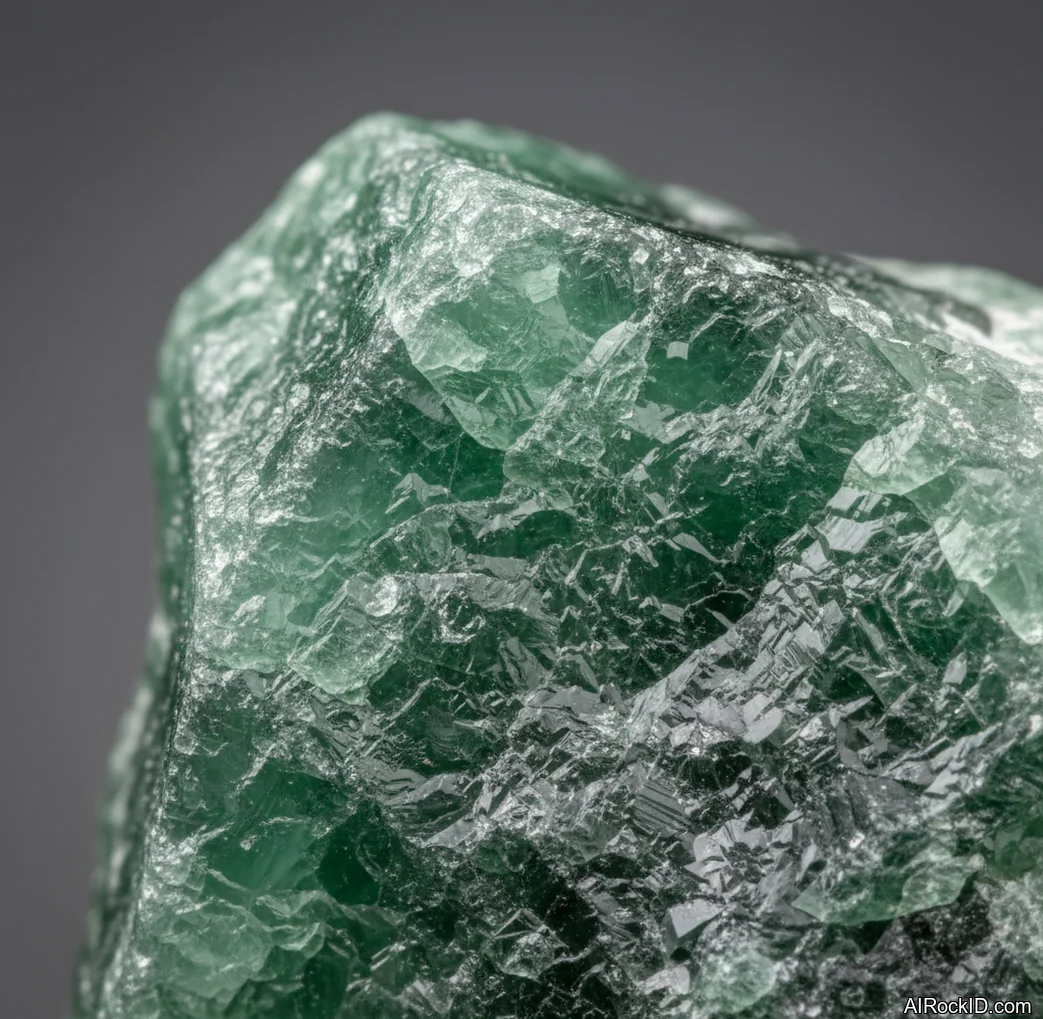
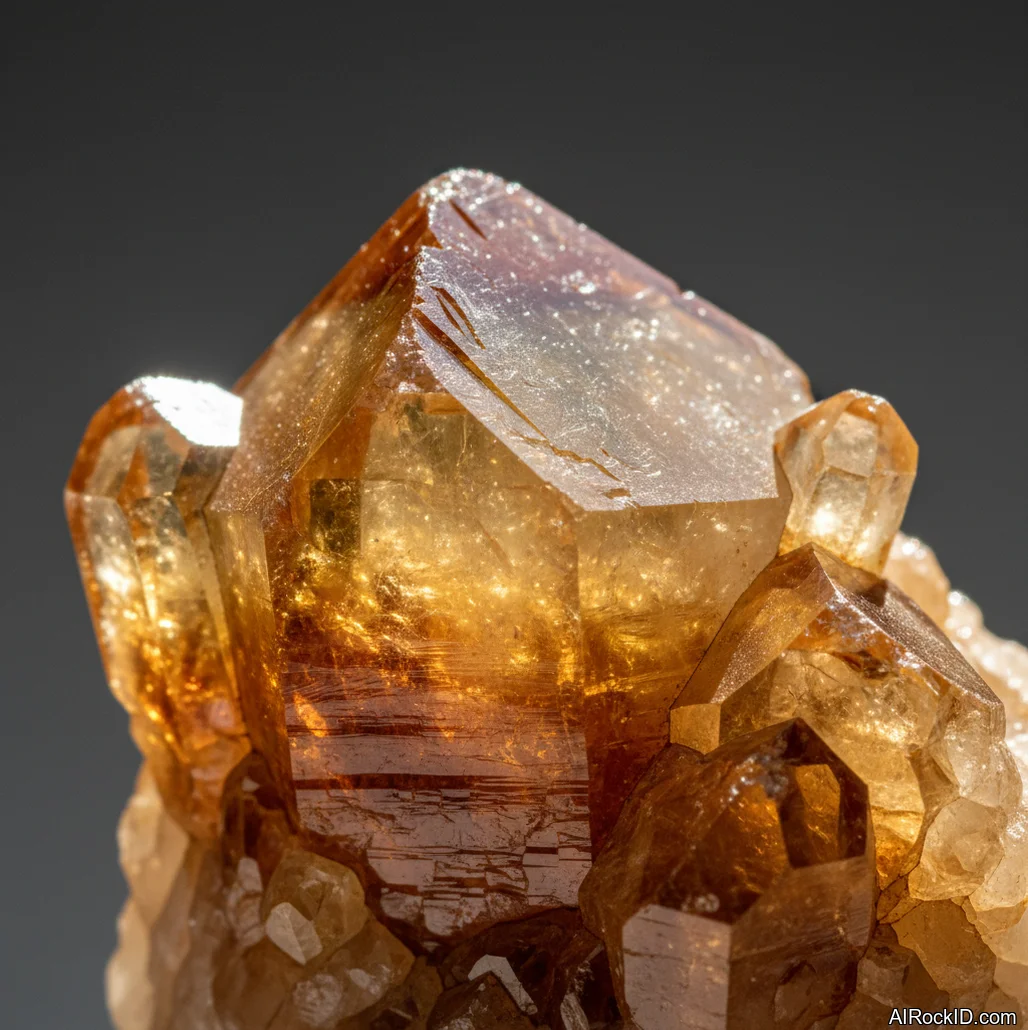
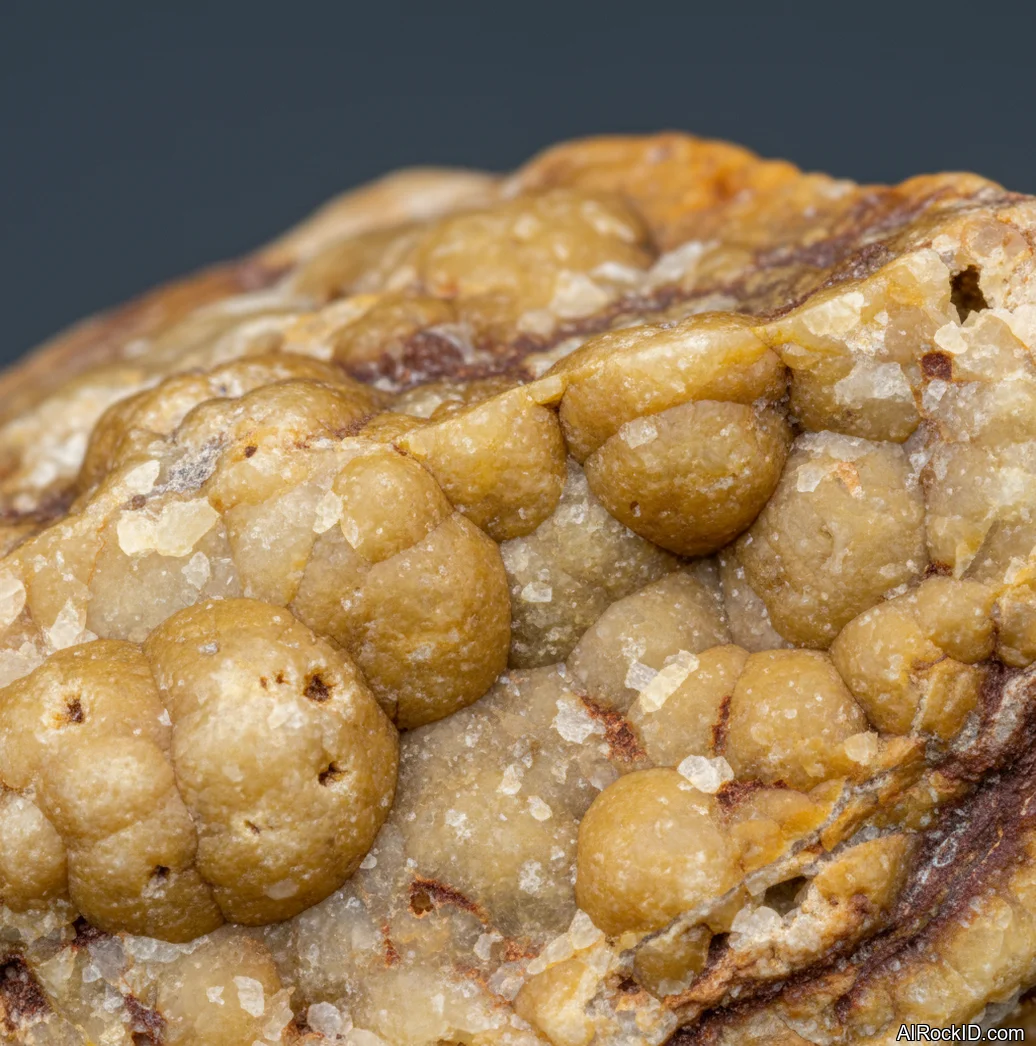
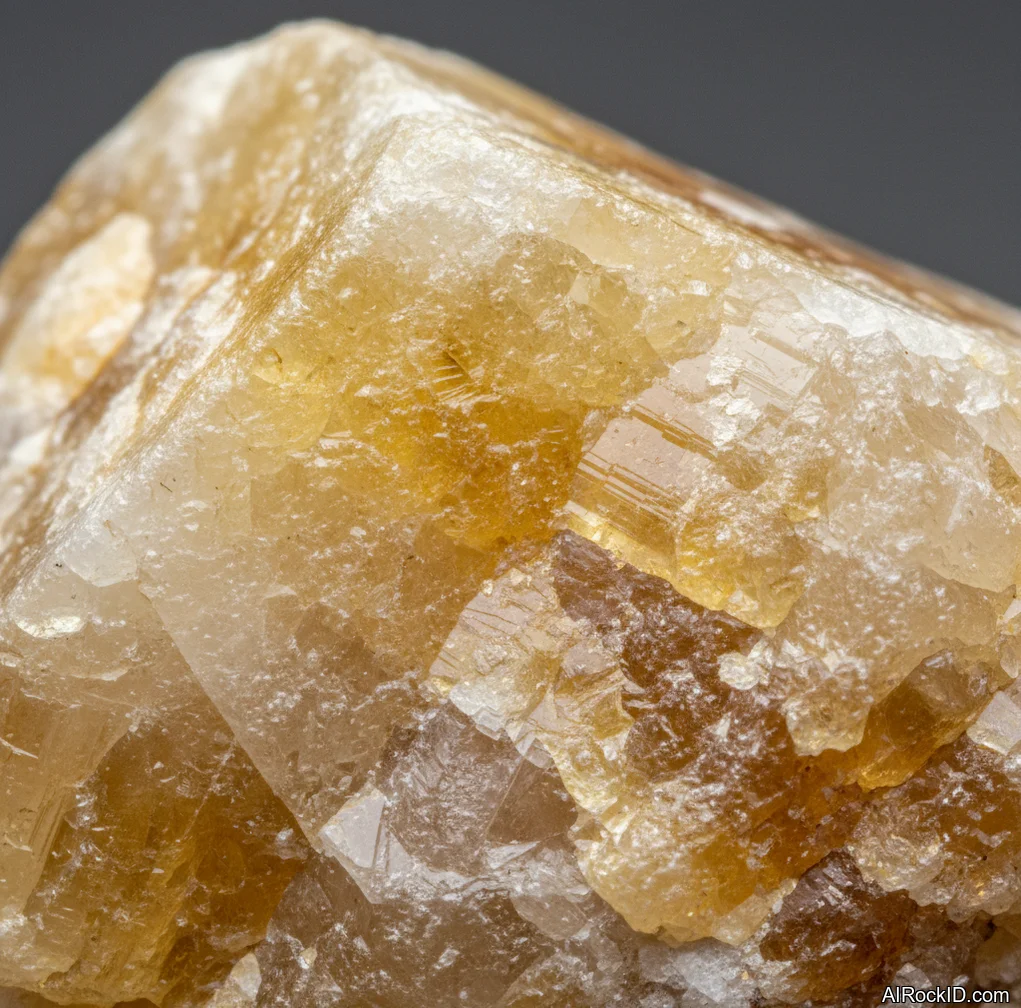
Yellow Aventurine is just quartz (usually quartzite) that leans yellow, and it has that faint glitter thing called aventurescence from tiny mineral inclusions.
Pick up a tumbled piece and you’ll notice the usual quartz heft right away. Not heavy like hematite, but it’s not floaty like calcite either. Most of the yellow stuff I’ve handled has this buttery, slightly cloudy body color, and then you get these tiny flashes that wink at you when you roll it under a lamp. Not a big mirror-like flash like labradorite. Smaller. Finer. Like sugar-sparkle trapped inside the stone.
People mix it up with citrine at first glance, which makes sense. But it acts different in your hand and in the light. Good citrine usually looks clearer and more glassy, while yellow aventurine tends to look a little more granular or kind of silky inside (especially along the edges of a polished palm stone where you can really see into it). And once you’ve handled a lot of quartz, you spot that aventurine look pretty fast, honestly.
Origin & History
Aventurine gets its name from the Italian “a ventura,” which basically means “by chance.” It first described aventurine glass, because copper filings got into the melt by accident and left this sparkly, scattered shimmer (the kind you can see when you tilt the piece under a lamp). Stone dealers later grabbed the same word for quartz that shows that same kind of glitter from natural inclusions.
Yellow aventurine isn’t its own formally named mineral species, so there’s no neat “first described by” moment like you get with something like spodumene. It’s really just a trade name that came out of the gem and carving world, especially once tumbled stones and beads turned into a steady, high-volume product. Most shops just sort it by color. Green, red, blue, yellow. That’s it.
Where Is Yellow Aventurine Found?
Most yellow aventurine in shops is cut from quartz-rich rock sourced in Brazil and India, with smaller amounts from other quartz-producing regions.
Formation
Look at it up close and it’s pretty clear you’re staring at quartz that either grew in place or recrystallized, with a bunch of fine-grained junk trapped through it. A lot of the time it’s actually quartzite, which is sandstone that got cooked and squeezed until it turned into a hard quartz rock. And in that heat-and-pressure mess, tiny mica flakes or iron-bearing minerals can end up lined up or just peppered around, so when you polish a face it catches the light and you get that sparkle.
That yellow tone usually comes from iron staining or iron-bearing inclusions. The glittery flash is often mica too (most commonly muscovite, and in green material you’ll hear fuchsite mentioned, but yellow tends to read more muscovite-ish). But not every yellow, iron-tinted quartz gets to be called “aventurine.” The real check is simple: tip it in the light and see if you get that fine aventurescence, that little glittery shimmer, instead of just a flat yellow color.
How to Identify Yellow Aventurine
Color: Yellow aventurine ranges from pale straw to warm honey yellow, usually with a slightly cloudy or granular look rather than clear transparency.
Luster: Polished pieces show a vitreous to slightly waxy luster with a fine internal shimmer.
Pick up the stone and rotate it under a single light source. Real aventurine gives you tiny scattered sparkles that come and go, not one broad sheet of flash. If you scratch it with a steel nail, it shouldn’t take a mark easily, but it will scratch glass. And watch out for dyed quartzite sold as “yellow aventurine,” because the color can look too uniform and it may concentrate in cracks and along drill holes.
Properties of Yellow Aventurine
Physical Properties
| Crystal System | Trigonal |
| Hardness (Mohs) | 6.5-7 (Hard (6-7.5)) |
| Density | 2.60-2.65 g/cm3 |
| Luster | Vitreous |
| Diaphaneity | Translucent to opaque |
| Fracture | Conchoidal |
| Streak | White |
| Magnetism | Non-magnetic |
| Colors | Pale yellow, Straw yellow, Honey yellow, Golden yellow |
Chemical Properties
| Classification | Silicates |
| Formula | SiO2 |
| Elements | Si, O |
| Common Impurities | Fe, Al, K, Mg, Ti |
Optical Properties
| Refractive Index | 1.544-1.553 |
| Birefringence | 0.009 |
| Pleochroism | None |
| Optical Character | Uniaxial |
Yellow Aventurine Health & Safety
You can handle it without worrying, and a quick splash of water isn’t a problem either. But if you start cutting or grinding it, that’s where you need to pay attention, because breathing in the silica dust is the real hazard (it’s that fine, gritty powder that hangs in the air).
Safety Tips
If you’re going to shape it or drill into it, keep it wet, make sure you’ve got decent ventilation, and wear a proper respirator that’s actually rated for silica dust.
Yellow Aventurine Value & Price
Price Range
Rough/Tumbled: $2 - $25 per piece (tumbled/palm stone); $25 - $120 for larger carvings/spheres
Cut/Polished: $0.50 - $6 per carat (cabochon/bead grade, typical commercial material)
Price usually follows the quality of the sparkle, the color staying even, and how clean the polish looks. Bigger pieces aren’t rare. But that bright, lively yellow that glitters evenly when you tilt it under a light (the kind that doesn’t go dull at the edges) is way harder to come by than the flat, chalky material.
Durability
Durable — Scratch resistance: Good, Toughness: Good
Quartz is stable for everyday handling, but polished surfaces will pick up scratches if you toss it in a pocket with keys.
How to Care for Yellow Aventurine
Use & Storage
Store it in a soft pouch or a separate compartment so it doesn’t rub against harder stones or metal. Quartz is tough, but the polish shows wear faster than people expect.
Cleaning
1) Rinse with lukewarm water and a drop of mild soap. 2) Use a soft toothbrush to clean around pits or drill holes. 3) Rinse well and dry with a microfiber cloth.
Cleanse & Charge
For a simple reset, rinse and dry it, or leave it on a piece of selenite. If you use sunlight, keep it short, because some yellow material can look washed out after long window-sill time.
Placement
I like it on a desk or near a cash tray where you can actually pick it up and fidget with it. The sparkle reads best under a lamp, not in a dark corner.
Caution
Skip harsh cleaners and ultrasonic machines, especially if the piece is carved and you can see little fractures or hairline cracks running through it. And if you’re cutting or polishing quartz, don’t breathe in the dust.
Works Well With
Yellow Aventurine Meaning & Healing Properties
Next to green aventurine, the yellow version tends to get treated in a more sunny, practical way in crystal circles. People link it with confidence, motivation, and that get-up-and-start push, especially if they want something softer than straight citrine or pyrite. It’s a vibe thing, not something you can measure in a lab.
Hold a palm stone on a long day and you’ll get why people reach for it. It’s cool at first, then it warms up in your hand, and the little sparkly flecks catch the light so your eyes have somewhere to land when your brain won’t sit still. I’ve sold pieces to students who wanted a worry stone that didn’t feel gloomy (who doesn’t?), and yellow aventurine does that pretty well.
But the hype can get a little silly. It’s not medicine. And it won’t replace sleep, food, or an actual plan. If you’re into crystals, think of it as a reminder object and a tactile anchor you can keep in your pocket. Most of the time, the best “result” is just that it helps you pause, breathe, then get back to whatever you were doing.
Identify Any Crystal Instantly
Snap a photo and get properties, value, care instructions, and healing meanings in seconds.