Yttrium Fluorite
What Is Yttrium Fluorite?
Yttrium Fluorite is still fluorite (CaF2), it just has higher yttrium plus other rare earth elements mixed in as trace to minor components.
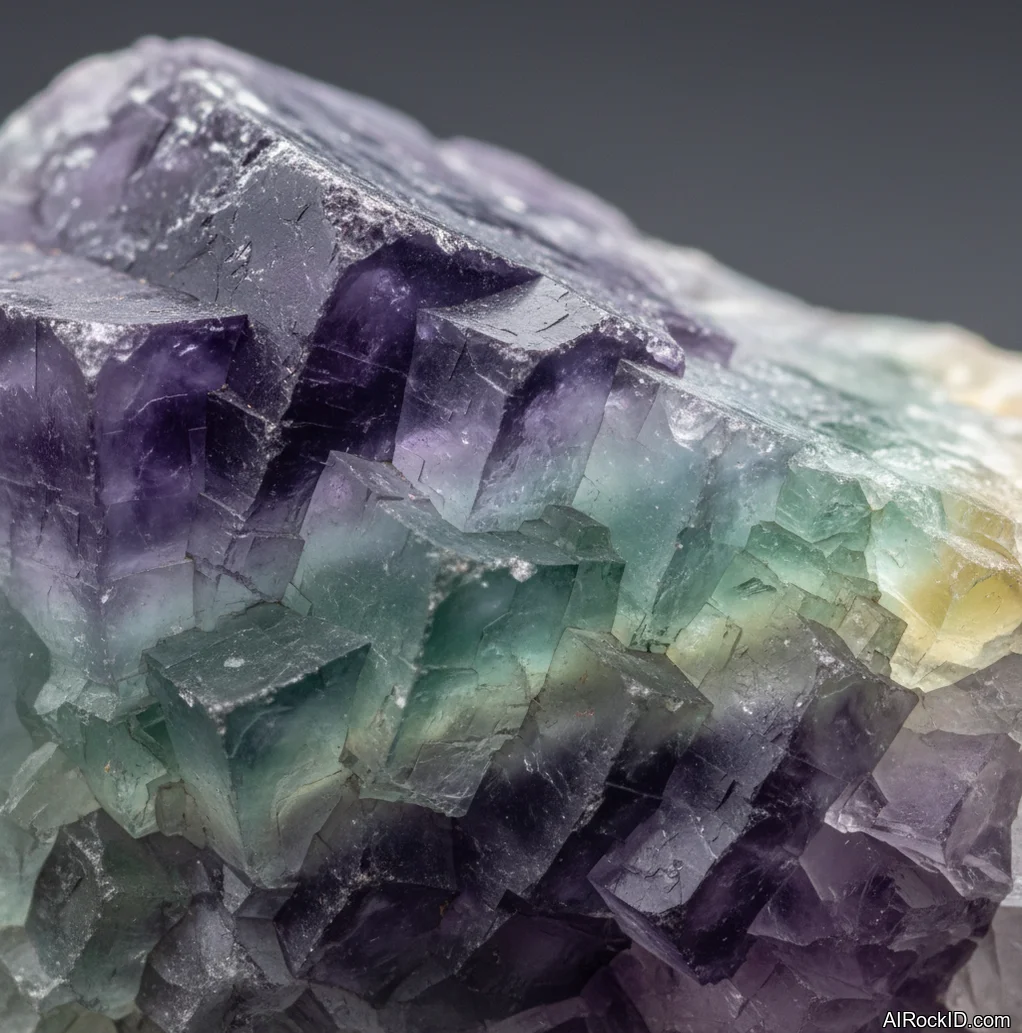
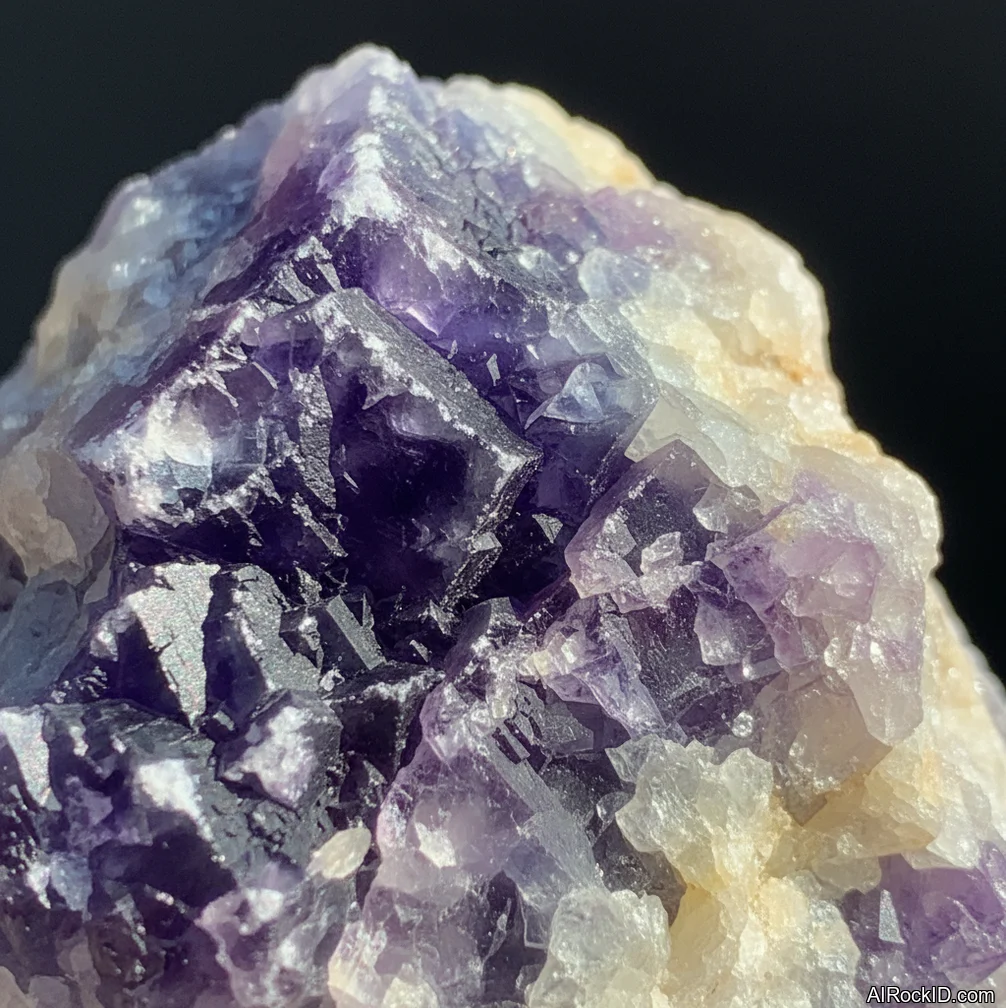
Pick up a chunk and you know what it is fast. Cool to the touch, glassy, and kind of softer than people expect if they haven’t actually handled fluorite much. If you’ve messed with regular purple fluorite from Illinois or China, it feels familiar in the hand, same slick surface and that easy-cleaving vibe, but the Y and the REEs can shove the color off into smoky lavender, inky purple, blue-violet, and sometimes that slightly “inky” saturation that goes darker around fractures and along growth zones.
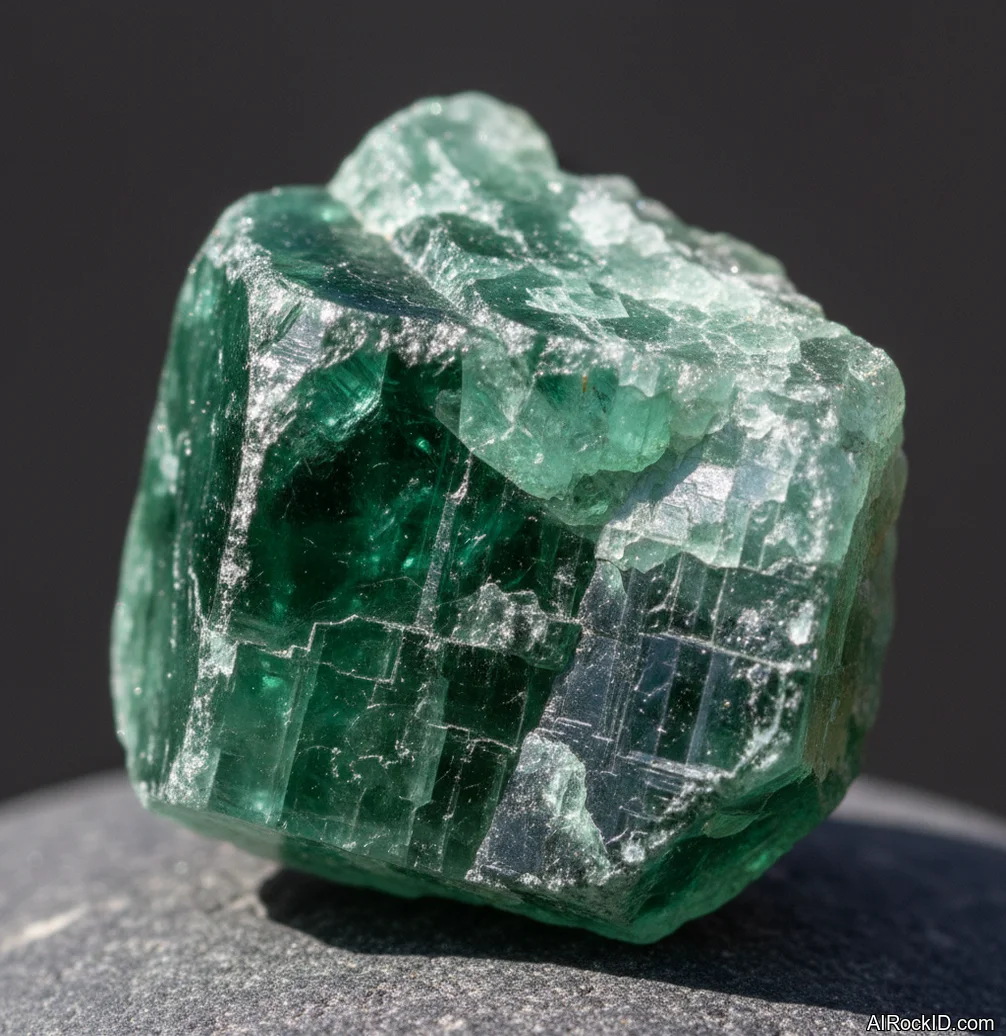
Look, check the broken edges. You’ll usually see the classic fluorite cleavage steps, and they meet at that boxy geometry fluorite loves. And under UV, a lot of pieces will glow, but not always like common fluorite does. Some are loud. Some are stubbornly quiet. That weird spread is part of why collectors like the label, but it also means you don’t want to buy the name based on fluorescence alone, right?
Origin & History
Yttrium got nailed down as its own element in the late 1700s, traced back to the Ytterby quarry in Sweden, and yep, the name is basically lifted straight from that place. Fluorite, on the other hand, has been around forever in terms of people recognizing it and using it, but “yttrium fluorite” isn’t really a formally approved mineral species name. It’s more a label collectors and dealers slap on.
Most of the time, that label comes from analysis. Somebody puts a piece of fluorite from a rare earth kind of deposit under a probe or runs an assay, sees elevated Y (often with other REEs riding along), and then the name sticks to that material. And I’ve literally seen this at shows: one tray is just marked “fluorite,” and right next to it there’s a tray labeled “Yttrium Fluorite,” with the nicer-looking, darker pieces picked out, set on the black foam, and priced higher. Sometimes that’s legit. But sometimes it’s just marketing with no data behind it. Who’s going to know unless the numbers are there?
Where Is Yttrium Fluorite Found?
It turns up anywhere fluorite grows in REE-influenced systems, especially granitic pegmatites, greisens, and hydrothermal veins near rare earth minerals.
Formation
Raw pieces from rare earth districts usually form out of late-stage fluids. Picture hot, mineral-packed water squeezing through hairline cracks around granites and pegmatites, then dumping fluorite once the chemistry flips at the right moment. Calcium and fluorine are doing the heavy lifting, and yttrium comes along for the ride when that fluid’s been chewing on REE minerals for a while.
Plain vein fluorite can look pretty uniform. But the yttrium-bearing material? It’s often way more zoned. You might catch sharp color bands, phantomy growth that looks like a ghost crystal inside the main one, or blotchy patches that really do read like ink stains trapped under the surface when you tilt it in the light. Thing is, it’s still fluorite at heart: cubic crystals, easy cleavage, and that annoying habit of snapping into neat little slabs if you bump it wrong (especially right along those smooth cleavage faces).
How to Identify Yttrium Fluorite
Color: Common colors are purple to blue-violet, sometimes smoky lavender or grayish purple, often with visible zoning. Color can concentrate along growth bands and around internal fractures.
Luster: Vitreous on fresh faces, with a slick shine on cleavage planes.
If you scratch it with a steel nail, it’ll mark pretty easily, and it will scratch calcite but not quartz. The real test is the cleavage: breakage tends to step into flat planes that feel almost like little stairs under your thumb. And if a seller is leaning hard on the “yttrium” part, ask if there’s any analytical backing, because your eyes alone can’t confirm Y content.
Properties of Yttrium Fluorite
Physical Properties
| Crystal System | Cubic |
| Hardness (Mohs) | 4 (Soft (2-4)) |
| Density | 3.18 g/cm3 |
| Luster | Vitreous |
| Diaphaneity | Transparent to translucent |
| Fracture | Uneven |
| Streak | White |
| Magnetism | Non-magnetic |
| Colors | Purple, Blue, Violet, Lavender, Gray, Colorless |
Chemical Properties
| Classification | Halides |
| Formula | CaF2 |
| Elements | Ca, F |
| Common Impurities | Y, Ce, La, Nd, Sm, Eu, Fe |
Optical Properties
| Refractive Index | 1.433 |
| Birefringence | None |
| Pleochroism | None |
| Optical Character | Isotropic |
Yttrium Fluorite Health & Safety
Handling it is pretty low risk. But if you drop it, that’s when you’ll run into trouble: it can chip, and you can end up with sharp little cleavage shards (the kind that catch on your fingertip before you even see them). And if you ever grind or carve it, don’t breathe the dust.
Safety Tips
After you’ve been handling it for a while, go wash your hands. Don’t mess with it on the kitchen counter or anywhere you prep food. And if you’re going to cut or polish it, do it wet so you’re not kicking up dust, and wear proper respiratory protection. (Seriously, don’t skip that.)
Yttrium Fluorite Value & Price
Price Range
Rough/Tumbled: $10 - $200 per specimen
Cut/Polished: $5 - $40 per carat
Clean cubic crystals with crisp, knife-sharp edges and that deep blue-violet saturation are what actually sell, especially when they light up nicely under a UV lamp and you can see the glow right there on the table. But if you’ve got verified REE/Y analysis in hand and the zoning is obvious (those banded growth lines you can spot when you tilt it in the light), prices can jump fast. Chipped pieces or those cleavage-riddled chunks that want to flake the moment you nudge them? Those stay in the bargain bin.
Durability
Nondurable — Scratch resistance: Fair, Toughness: Poor
It’s stable in normal room conditions, but it cleaves easily and takes scratches from everyday grit.
How to Care for Yttrium Fluorite
Use & Storage
Store it wrapped or in a compartment box so it doesn’t rub against quartz, topaz, or even dusty sand. I keep fluorite in little plastic gem jars because drawer grit will scratch it up fast.
Cleaning
1) Rinse quickly in lukewarm water and use a soft toothbrush for crevices. 2) Use a tiny drop of mild soap if needed, then rinse well. 3) Pat dry and don’t leave it soaking for hours.
Cleanse & Charge
If you do the metaphysical routine, gentle methods are best: smoke, sound, or a quick pass over selenite. Skip salt bowls, since fluorite chips so easily when it’s jostled.
Placement
Put it somewhere stable where it won’t get knocked onto tile. A little acrylic stand helps, and it keeps the cubes from rolling off a shelf.
Caution
Fluorite has perfect cleavage, so if you smack it just right it can snap cleanly (it almost feels like it wants to split). Don’t toss it in an ultrasonic cleaner. Skip harsh chemicals too. And definitely don’t carry it loose in your pocket with keys or coins, because it’ll get knocked around and can chip fast.
Works Well With
Yttrium Fluorite Meaning & Healing Properties
People see fluorite and instantly shove it into the “focus and study” category, and yeah, I get it. When I’m sorting flats of minerals and my brain is toast, I’ll park a little fluorite cube on the desk because it just feels… orderly. Simple shape. Crisp edges. It’s like giving your eyes a reset button.
And with the yttrium-labeled stuff, the tone people put on it gets even more “technical.” Organizing thoughts. Staying on task. Not getting yanked around by background noise. But look, I’m going to say the quiet part out loud: that isn’t medicine, and it’s not chemistry flipping a switch in your life. It’s personal practice, same as how a clean workbench can make you feel more on top of things even though the bench isn’t doing anything.
But there’s a practical warning too. Fluorite is soft, and it cleaves like crazy, so if you’re the kind of person who wants a pocket stone to mess with all day, it’s going to get chewed up fast. I’ve literally seen tumbled fluorite go from glossy to that dull, scuffed look in a week just from riding around with other stones. So if you’re using it for meditation or as a desk piece, let it be a sit-still crystal (seriously). It’ll stay pretty a lot longer.
Identify Any Crystal Instantly
Snap a photo and get properties, value, care instructions, and healing meanings in seconds.