Blue Apatite In Orange Calcite
What Is Blue Apatite In Orange Calcite?
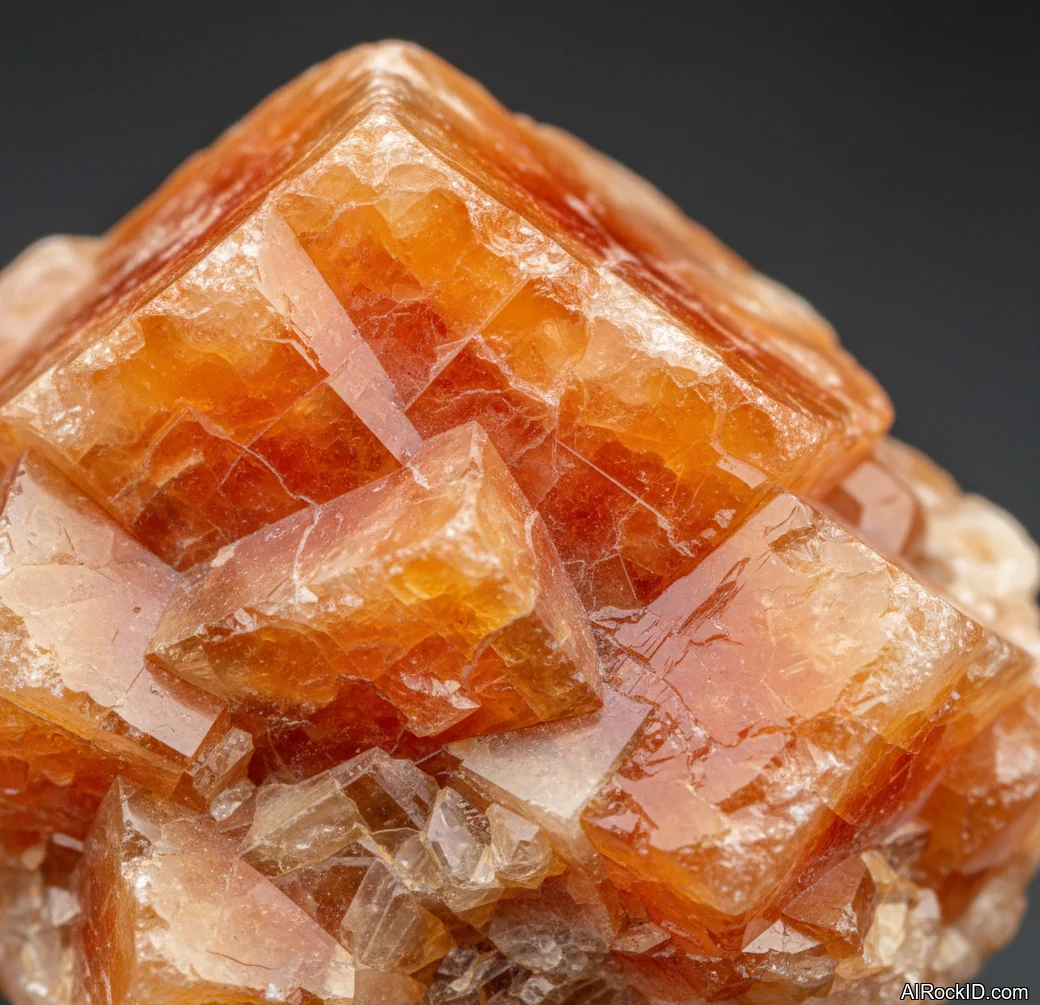
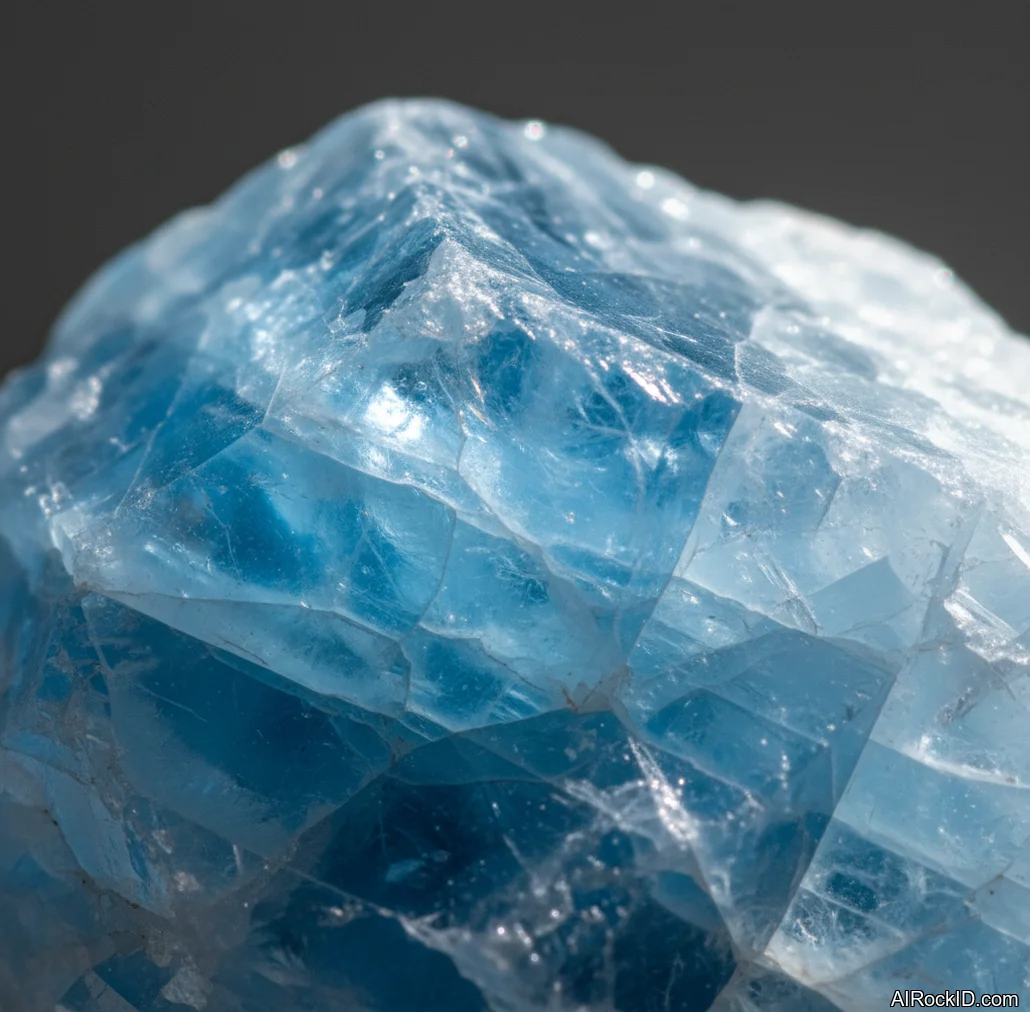
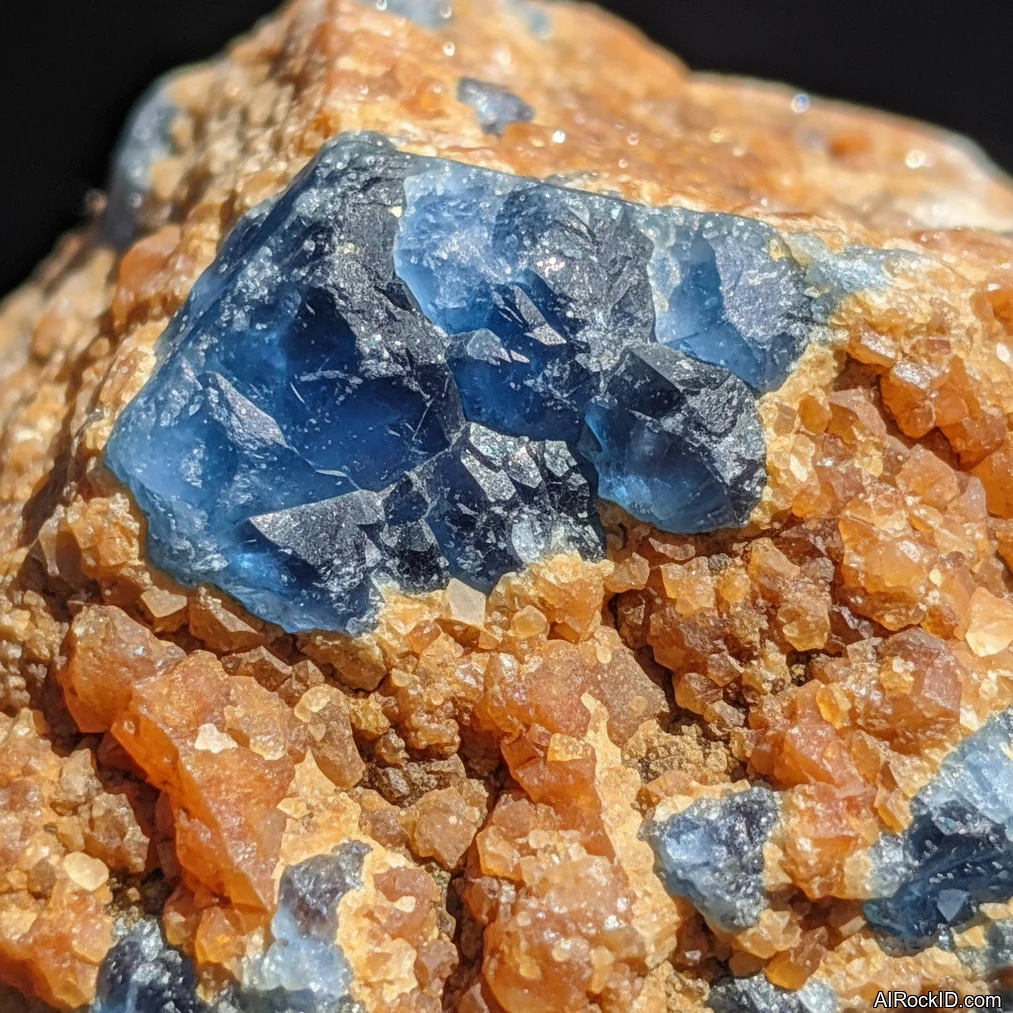
Blue Apatite In Orange Calcite is a natural mineral specimen where blue apatite crystals sit in, on, or through an orange calcite matrix.
Grab a decent hand-sized piece and you feel it right away. Two materials, two vibes. The calcite usually comes off a little chalky on the rough, unpolished spots (almost like drywall dust if you rub your thumb over it), while the apatite patches feel smoother, glassier, and weirdly cool to the touch, like that slick hard-candy shine. And yeah, the color contrast is basically the whole reason anyone cares. The best pieces can look like somebody splashed electric-blue paint into a warm orange block, but most real ones are more mottled and patchy, and honestly? I like that more. It feels less “perfect,” more real.
People often assume it’s dyed at first because that blue can be loud. But real apatite has depth. Tilt it under a shop light and the apatite areas will brighten and fade differently than the calcite. The calcite’s cleavage throws light back in big, broad flashes, while the apatite tends to catch it in smaller, glassy sparkles. Hard to unsee once you notice it.
Origin & History
Apatite got its official write-up in 1786 from the German geologist Abraham Gottlob Werner. He pulled the name from the Greek “apatáo,” meaning “to deceive,” since apatite is easy to mix up with other minerals like beryl or tourmaline. And honestly, that name still fits when you’re leaning over a tray of show flats under those harsh booth lights, turning a piece in your fingers and thinking, “Wait, is this actually what they said it is?”
Calcite, on the other hand, has been known and used since antiquity, even if the modern name “calcite” comes from the Latin “calx,” meaning lime. So when sellers say “blue apatite in orange calcite,” they’re talking about a combo specimen, not some separate mineral species. It’s collector shorthand, plain and simple (the kind you’ll see scribbled on a little folded label next to the stone).
Where Is Blue Apatite In Orange Calcite Found?
Most of the bright blue-on-orange material people see at shows lately is sold as Madagascar. Apatite and calcite also occur together in carbonatite and skarn settings in several countries.
Formation
You’re usually looking at two minerals that like the same kinds of places, but they don’t behave the same when they grow. Apatite commonly forms in igneous and metamorphic rocks, and it can show up in carbonatites, pegmatites, or hydrothermal veins. Calcite’s the classic carbonate: it precipitates from fluids, it fills fractures, and when it’s got room it grows into those chunky cleavage blocks that snap into neat rhombs if you’ve ever handled a piece (the broken faces look slick and glassy).
In these combo specimens, calcite often ends up being the “host” that crystallized out of carbonate-rich fluids. And apatite shows up either earlier or later, growing as crystals or as granular masses tucked into pockets and seams. The nicest look is when the apatite had a little breathing room, so you can actually see crystal faces instead of just blue grains kind of smeared through the calcite. Why does that matter? Because once you’ve seen a clean apatite face catching the light against white calcite, the difference is obvious.
How to Identify Blue Apatite In Orange Calcite
Color: Apatite ranges from medium to neon blue, sometimes with teal or greenish tones; the calcite matrix runs honey-orange to tangerine and can fade to pale peach. Color zoning is common, especially in the calcite.
Luster: Apatite is typically vitreous, while calcite ranges from vitreous to pearly on cleavage.
If you scratch it with a steel nail, the calcite will mark easily but the apatite might resist or only get a faint line. Try it somewhere inconspicuous. Look closely for calcite cleavage: flat, repeated planes that flash when you tilt the piece, sometimes in stair-step breaks. And here’s the hands-on giveaway I use at shows: rub a thumb across an unpolished calcite area and it’ll feel slightly grippy or powdery, while the apatite bits feel smoother and “glassy” even when they’re rough.
Properties of Blue Apatite In Orange Calcite
Physical Properties
| Crystal System | Hexagonal |
| Hardness (Mohs) | Apatite 5; Calcite 3 (Soft (2-4)) |
| Density | Apatite 3.1-3.2; Calcite 2.71 |
| Luster | Vitreous |
| Diaphaneity | Translucent |
| Fracture | Uneven |
| Streak | White |
| Magnetism | Non-magnetic |
| Colors | Blue, Teal, Orange, Peach, White |
Chemical Properties
| Classification | Phosphates (apatite) and carbonates (calcite) |
| Formula | Apatite: Ca5(PO4)3(F,Cl,OH); Calcite: CaCO3 |
| Elements | Ca, P, O, F, Cl, H, C |
| Common Impurities | Mn, Fe, REE |
Optical Properties
| Refractive Index | Apatite 1.632-1.646; Calcite 1.486-1.658 |
| Birefringence | Apatite 0.013; Calcite 0.172 |
| Pleochroism | Weak |
| Optical Character | Uniaxial |
Blue Apatite In Orange Calcite Health & Safety
Normal handling is pretty low risk. But if you grind, cut, or sand either mineral while it’s dry, you can kick up a fine dust that’ll irritate you. And watch the calcite: if it snaps, the chips can come off sharp, almost like little glassy splinters.
Safety Tips
If you’re going to shape or drill it, keep a steady trickle of water on the spot, put on eye protection, and wear a respirator rated for fine particulates. Dust gets everywhere, and one little speck in your eye is all it takes.
Blue Apatite In Orange Calcite Value & Price
Price Range
Rough/Tumbled: $15 - $180 per specimen
Cut/Polished: $10 - $60 per carat
Prices jump when the blue is really saturated, the apatite has crisp, clean crystal faces, and the orange calcite is solid with no bruised-looking cleavage lines. Big polished freeforms can look super flashy under a light, but natural pocket pieces that are actually well-crystallized (sharp edges, no chalky spots) usually run more money.
Durability
Nondurable — Scratch resistance: Fair, Toughness: Poor
Calcite cleaves and bruises easily, and apatite is only medium-hard, so this combo doesn’t love knocks or pockets.
How to Care for Blue Apatite In Orange Calcite
Use & Storage
Store it where it won’t get clacked by harder stones. I keep mine in a flat with foam because calcite edges love to bruise.
Cleaning
1) Rinse quickly with lukewarm water and a drop of mild soap. 2) Use a very soft toothbrush around apatite crystals, light pressure only. 3) Pat dry and air dry fully; don’t use acidic cleaners.
Cleanse & Charge
If you do energetic cleansing, stick to gentle stuff like smoke, sound, or leaving it on a windowsill for indirect light. Long, harsh sun can fade some calcite and make the color look washed out.
Placement
Best on a stable shelf, not a high-traffic coffee table. Under a warm lamp the orange calcite glows, but keep it away from spots where it can get bumped.
Caution
Skip vinegar, citric acid, and those “crystal cleaning” sprays that smell sharp or feel a little stingy on your fingers, because anything acidic will etch calcite. And don’t just toss it into a bowl with quartz points either, unless you want it coming out with tiny white bruises and fine scratches (they show up fast, especially on the smoother faces).
Works Well With
Blue Apatite In Orange Calcite Meaning & Healing Properties
Look close and you can see why people stick meanings on this pairing. The blue apatite side gets read as “clear head,” and the orange calcite side comes off like a “warm push forward.” That’s the little story people tell about it. I’m fine with it, as long as it stays personal and doesn’t drift into medical-claim territory.
In my own stash, I grab these when my brain’s jammed up. Not because the stone magically fixes anything, but because the contrast actually helps in a basic, practical way. Set it on a desk under a lamp and your eyes keep hopping between that deep blue and the traffic-cone orange. And that tiny visual reset? Weirdly useful when you’re spiraling or stuck doom-scrolling.
But here’s the part people skip. Calcite is soft, and it gets beat up fast, so if your “daily carry” plan involves pockets, keys, coins, you’re going to trash it. I’ve seen beginners buy a polished palm stone, tote it around for a week, and then feel bummed when the surface goes cloudy and collects little scratches you can catch with a fingernail. That isn’t bad luck. It’s just calcite being calcite.
Identify Any Crystal Instantly
Snap a photo and get properties, value, care instructions, and healing meanings in seconds.