Sherbet Calcite
What Is Sherbet Calcite?
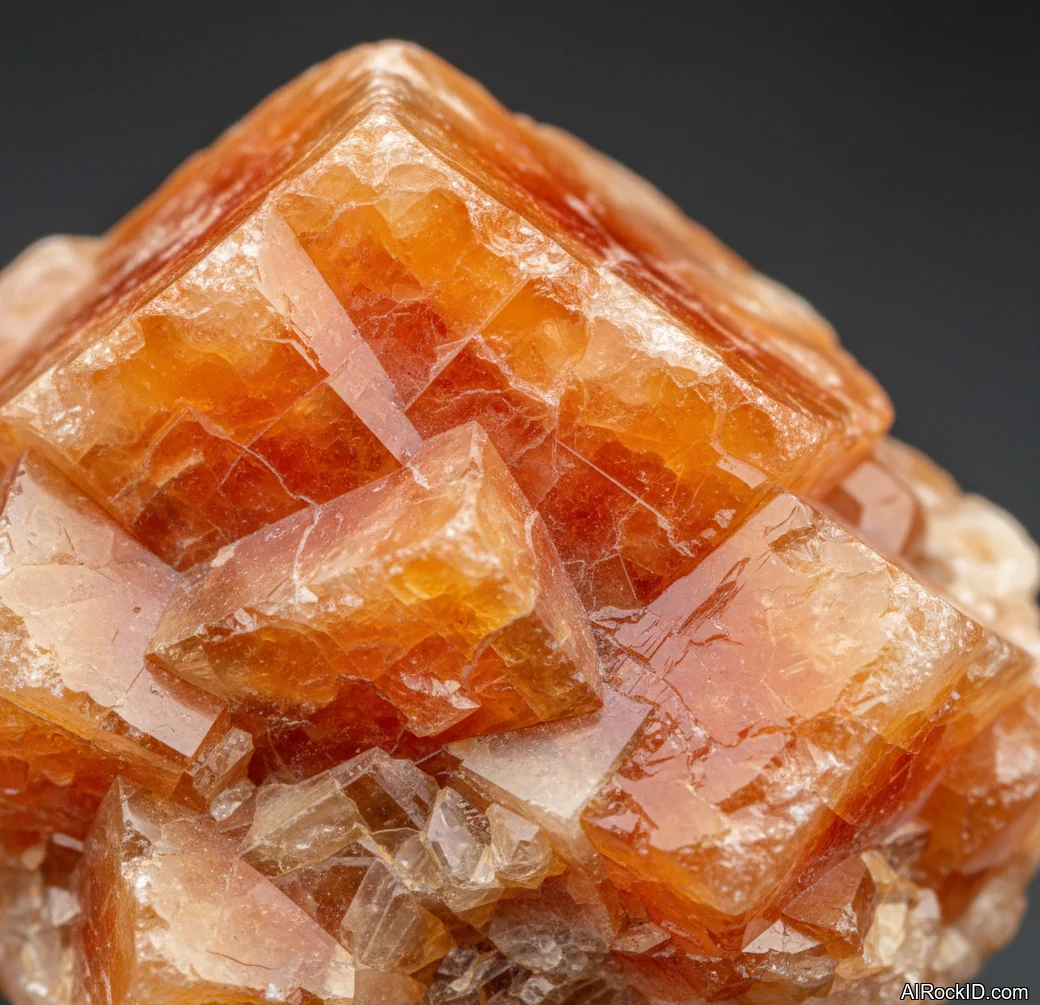
Sherbet Calcite is just a trade name for banded calcite, where orange calcite mixes with white to cream calcite in soft, swirly layers.
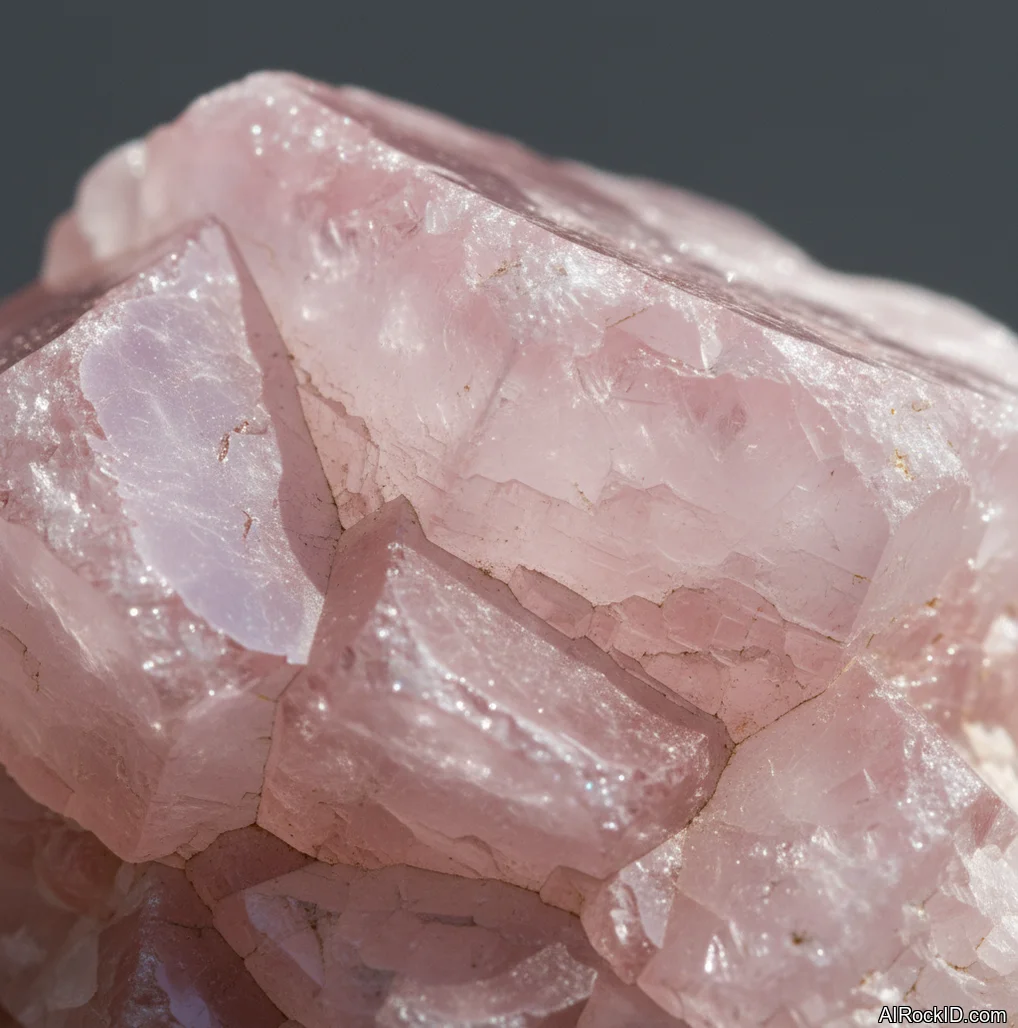
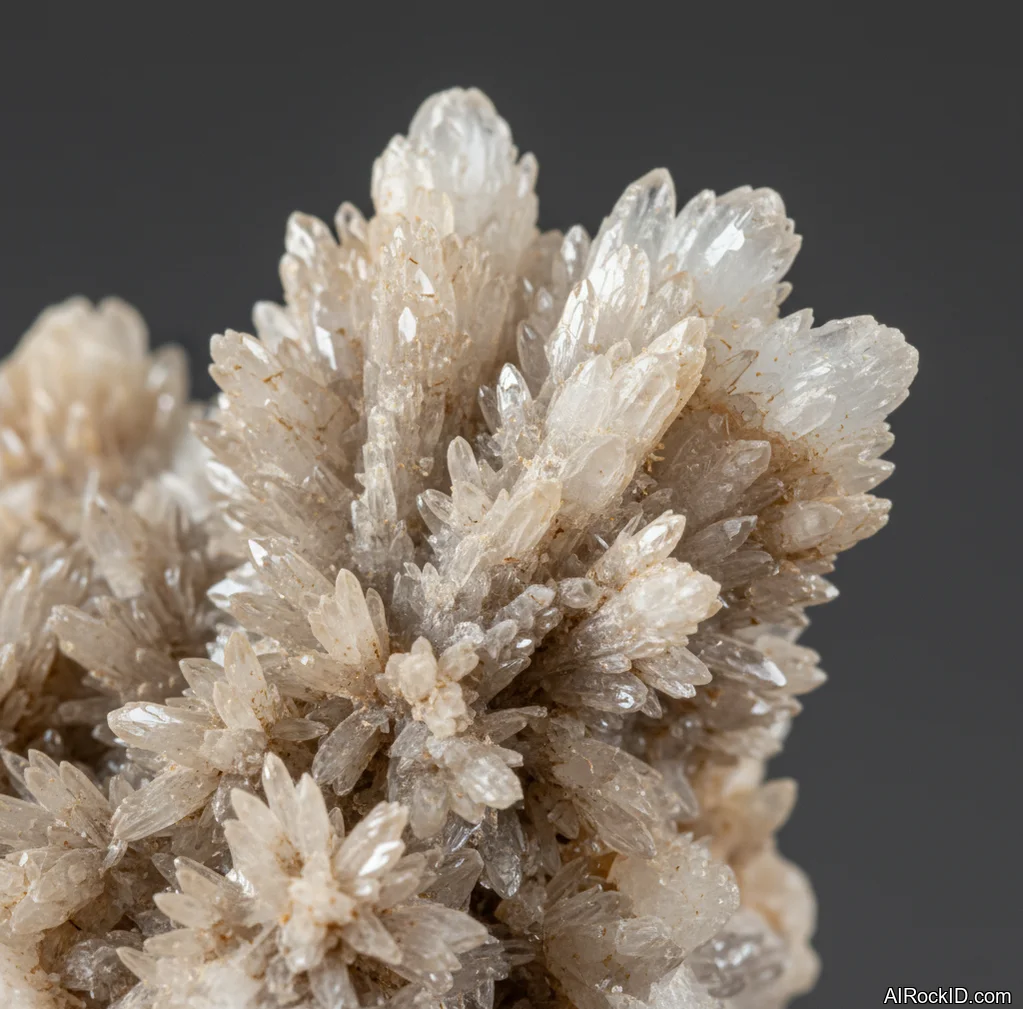
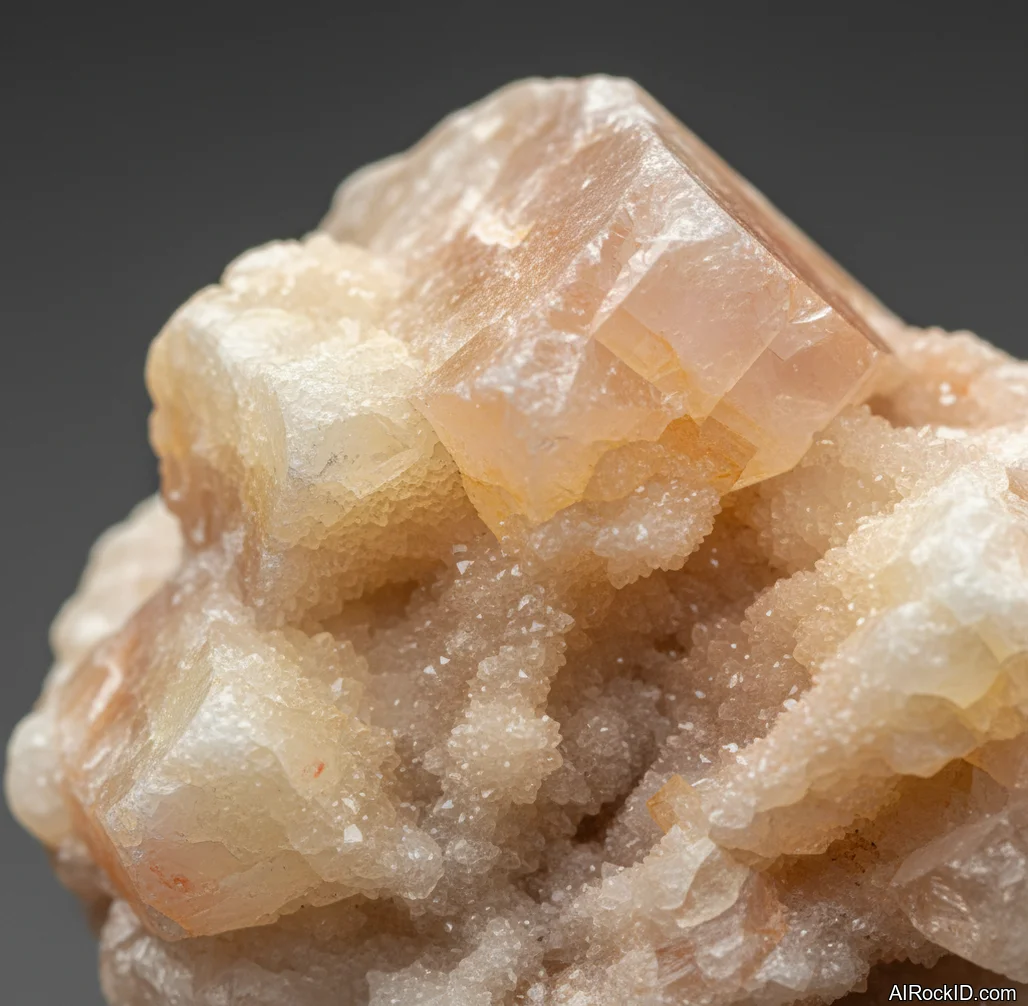
Hold a chunk in your hand and the first thing you notice is the weight. It’s lighter than most people expect. But it still has that honest-to-goodness mineral feel, not that plasticky fake-stone vibe. The orange usually reads like sorbet or a creamsicle, and it really pops when it’s been polished into a palm stone. And if you get your eye close, you can usually spot calcite’s cleavage: those flat, step-like faces that catch the light like little stacked sheets.
Most of what you’ll see for sale is polished. That smooth finish covers up a lot of the chalky spots you’d notice on raw material, and it can mask tiny cleavage cracks too (until you know what to look for). But tilt a polished piece under a shop light and rotate it slowly, and you’ll still see the internal planes flicker on and off as they catch the beam. That’s calcite doing calcite things.
Origin & History
“Sherbet Calcite” isn’t an official mineral name. It’s just a nickname dealers use. The real mineral is calcite, which was described as a mineral species in the modern sense back in the 18th century, and “calcite” comes from the Latin *calx*, meaning lime.
The “sherbet” tag came along way later, once the crystal trade started grouping the orange-and-white banded pieces into those cute, dessert-sounding names. You know the ones. Most sellers use it to separate that striped, creamsicle-looking stuff (orange with white bands) from plain orange calcite or plain white calcite, even though chemically it’s all still CaCO3.
Where Is Sherbet Calcite Found?
Most Sherbet Calcite on the retail market is calcite from Mexico, sold as orange-and-white banded material. Similar-looking banded calcite can show up anywhere calcite forms in veins and cavities.
Formation
Calcite can grow in all kinds of places, but that sherbet-looking material usually forms when cool, low-temperature fluids seep through cracks in limestone (or other carbonate rocks). As those fluids move along, they drop CaCO3 in little spurts. And every time the chemistry shifts, the temperature bumps up or down, or a new impurity sneaks in, the next layer comes out a slightly different color.
Next to quartz, calcite grows pretty fast, so it ends up “recording” those changes like tree rings. The orange tone usually comes from tiny amounts of iron or other trace impurities, while the white bands are just cleaner calcite. The banding’s not a surface trick, either. Break a piece and you’ll see it, the way the fracture pops along that smooth, chalky cleavage and the stripes keep running right through the inside (usually discovered the hard way).
How to Identify Sherbet Calcite
Color: Sherbet Calcite is usually orange with white to cream banding, often in soft swirls rather than sharp stripes. The orange can run from pale peach to a deeper tangerine depending on the batch.
Luster: Luster ranges from waxy to vitreous, with a pearly flash on cleavage faces.
If you scratch it with a copper penny, it’ll mark pretty easily, and a steel nail will bite in without much effort. Pick up two similar palm stones and compare: calcite often feels slightly “buttery” and slick when polished, not glassy like quartz. The real test is a drop of dilute acid: calcite fizzes, but don’t do that on a specimen you care about.
Properties of Sherbet Calcite
Physical Properties
| Crystal System | Trigonal |
| Hardness (Mohs) | 3 (Soft (2-4)) |
| Density | 2.71 g/cm3 |
| Luster | Vitreous |
| Diaphaneity | Translucent |
| Fracture | Uneven |
| Streak | white |
| Magnetism | Non-magnetic |
| Colors | orange, white, cream, peach |
Chemical Properties
| Classification | Carbonates |
| Formula | CaCO3 |
| Elements | Ca, C, O |
| Common Impurities | Fe, Mn, Mg |
Optical Properties
| Refractive Index | 1.486-1.658 |
| Birefringence | 0.172 |
| Pleochroism | None |
| Optical Character | Uniaxial |
Sherbet Calcite Health & Safety
Sherbet Calcite is safe to pick up and handle, and it isn’t toxic. But like any carbonate, it’ll react if you splash it with acid, and harsh cleaners can mess up the surface fast (you’ll usually see the shine go dull or feel it get a little rough).
Safety Tips
If you’re cutting or sanding it, don’t breathe in the dust. And if you want the polish to keep looking good, skip acidic cleaners or vinegar.
Sherbet Calcite Value & Price
Price Range
Rough/Tumbled: $5 - $60 per piece
Prices jump around depending on the color contrast, how clean the polish is, and if you’re holding a chunky freeform or one of those little palm stones that sits flat in your hand. The big blocks with sharp orange and white banding usually cost more, but they’re also the ones that pick up tiny corner dings and chips fast when they’ve been rattling around together in a bin.
Durability
Nondurable — Scratch resistance: Poor, Toughness: Fair
Calcite is soft with perfect cleavage, so it scratches and can split along planes if it takes a hit.
How to Care for Sherbet Calcite
Use & Storage
Store it in a soft pouch or wrap it in tissue if it’s riding in a bag with harder stones. Calcite picks up scratches fast, and those little hazy rub marks are hard to unsee once they show up.
Cleaning
1) Rinse quickly with lukewarm water if needed. 2) Wipe with a soft microfiber cloth and a tiny drop of mild soap. 3) Pat dry right away and don’t soak it for long periods.
Cleanse & Charge
I stick to smoke, sound, or just a night on a shelf away from the window. Sunlight won’t “hurt” calcite like it hurts some dyed stones, but heat plus knocks is how you get fresh cleavage cracks.
Placement
Keep it somewhere it won’t get bumped, like a side table or a display tray. If it’s on your desk, set it on a coaster or cloth so grit doesn’t grind the bottom.
Caution
Don’t use acids, vinegar, or abrasive brushes. Calcite etches fast and it goes dull in a hurry. And keep it away from harder minerals like quartz, topaz, or corundum, because they’ll scratch it up.
Works Well With
Sherbet Calcite Meaning & Healing Properties
Sherbet Calcite looks like a “happy color” stone the second you see it, and yeah, that’s basically how most people treat it. In my own pile, it’s the one I reach for when I’m stuck on a long call and I just want something quiet in my hand. Calcite, when it’s polished, has that smooth, slightly slippery feel, almost like a worn bar of soap. And the orange and white banding is easy on the eyes. Soft. Calm.
But look, here’s the real-world bit. Calcite is soft. So if you’re a hardcore fidgeter, or you toss stones in your pocket with keys, it’s going to take a beating fast. I’ve seen a polished piece go from shiny to cloudy in a week of pocket carry. No joke. So I treat Sherbet Calcite more like a “stay at home” stone for mood and routine, not something I let rattle around with coins all day.
On the metaphysical side, people link orange calcite with motivation and upbeat energy, and white calcite with clarity and a mental reset. I keep that in the personal-practice lane, not the medical lane. And if you’re into little rituals, it’s a nice one to have nearby for journaling or a quick five-minute reset, mostly because it feels friendly and not intimidating (even for people who don’t usually care about rocks).
Identify Any Crystal Instantly
Snap a photo and get properties, value, care instructions, and healing meanings in seconds.