Yellow Opal
What Is Yellow Opal?
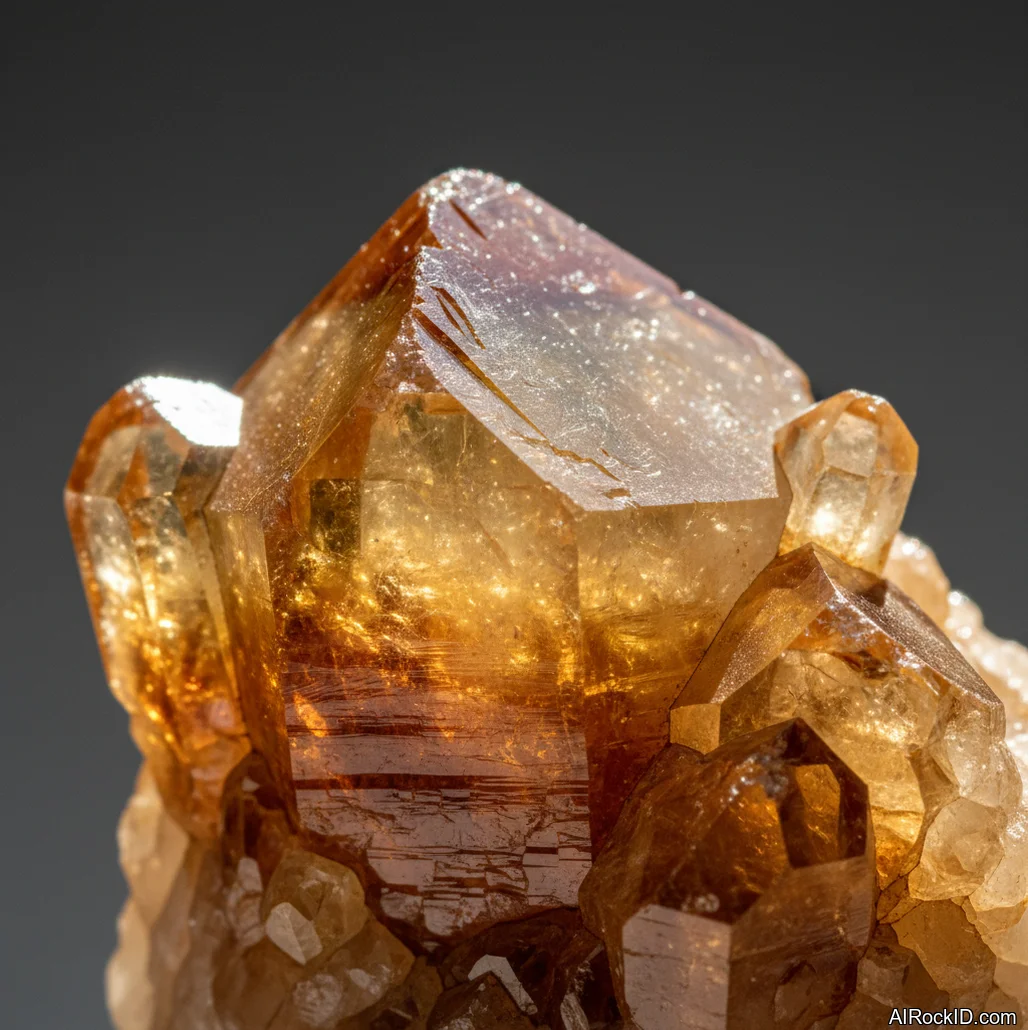
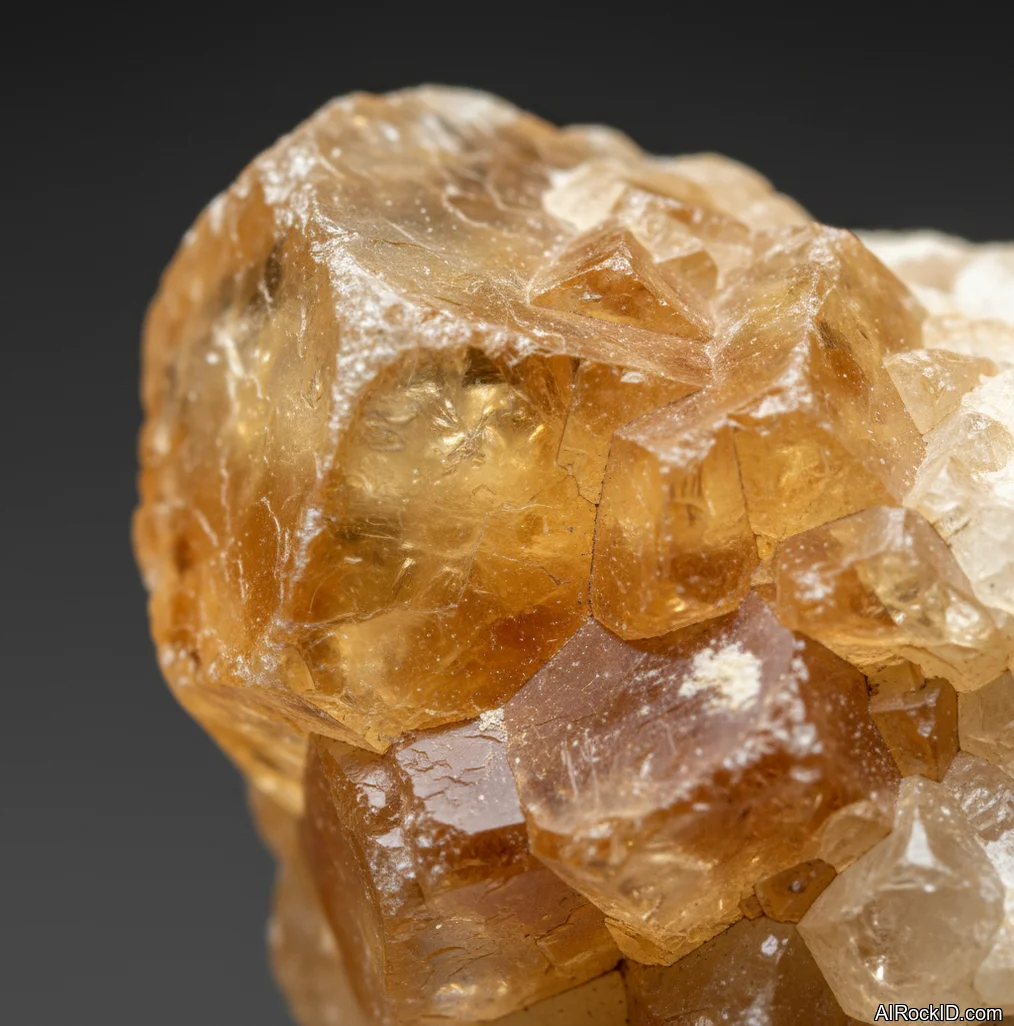
Yellow Opal is just opal in yellow, and opal itself is an amorphous hydrated silica (SiO2·nH2O). The color can swing from pale butter all the way to deep honey, and most pieces you’ll run into are common opal with no true play-of-color.
Pick up a tumbled chunk and you notice it immediately. It feels lighter than you’d guess for its size. And it warms up in your palm faster than quartz does, which is kind of a giveaway once you’ve handled a few. Under a lamp, it doesn’t kick back those sharp, glassy flashes like some minerals. Instead you get this soft, almost “skin-like” glow (you either get why people love that, or you don’t).
Thing is, yellow opal gets mistaken all the time for yellow chalcedony or even cheap yellow glass. But opal usually has a slightly “greasier” look, and the edges on a polished stone can go a little milky instead of staying crisp. And if it’s been sitting in a dry display case for years, you might spot tiny crazing lines that weren’t there when it was first cut. Who hasn’t seen that once or twice?
Origin & History
Opal shows up in the old mineral books early on. Pliny the Elder talked about it back in antiquity and treated it like a prized gem. Later, once chemistry finally had the tools to pin it down, opal got defined as a hydrated form of silica.
The name’s got a paper trail too. “Opal” comes through the Latin *opalus*, probably from the Greek *opallios*, which was basically a reference to a stone that changes how it looks. That tracks, because opal really does shift around on you when you tilt it in your hand under a lamp.
“Yellow opal,” though, isn’t some separate species. It’s a trade name, and kind of a modern market habit. Dealers use it for common opal that turns yellow because of tiny trace impurities, most often iron. And you’ll see “honey opal” on tags constantly at shows, but it’s loose, honestly, and it can mean anything from pale lemon all the way to caramel.
Where Is Yellow Opal Found?
Yellow opal turns up in a bunch of opal-producing regions, especially volcanic areas and sedimentary basins where silica-rich fluids moved through fractures and voids. Most market material is sold by color grade and transparency, not by exact mine.
Formation
Look closely at how the opal sits in the host rock and the whole thing clicks. Opal forms when silica-rich water seeps through porous rock or along fractures, then drops silica gel into cavities as conditions shift. Give it time and that gel tightens up into opal, trapping some water inside the structure.
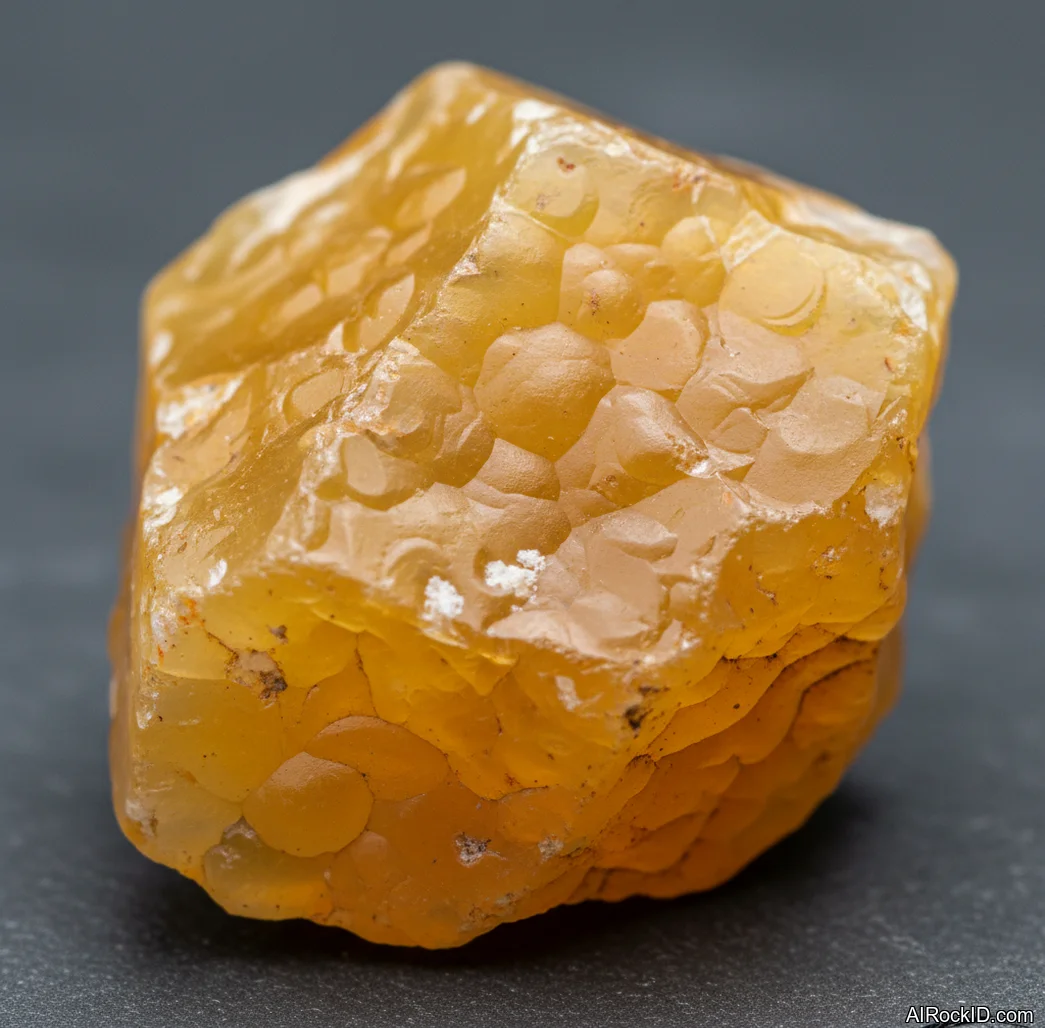
I’ve always had a soft spot for raw pieces from volcanic country rock because you can literally see the infill. Seams. Tiny pockets. Those botryoidal surfaces that look like wax drips that got caught mid-run and then froze there (you can feel the rounded bumps with a fingertip). But there’s a catch, and it’s a frustrating one. Opal hates sudden swings in humidity and temperature, so the same water that helped make it is also the reason it can craze later on. Why does the prettiest stuff have to be so touchy?
How to Identify Yellow Opal
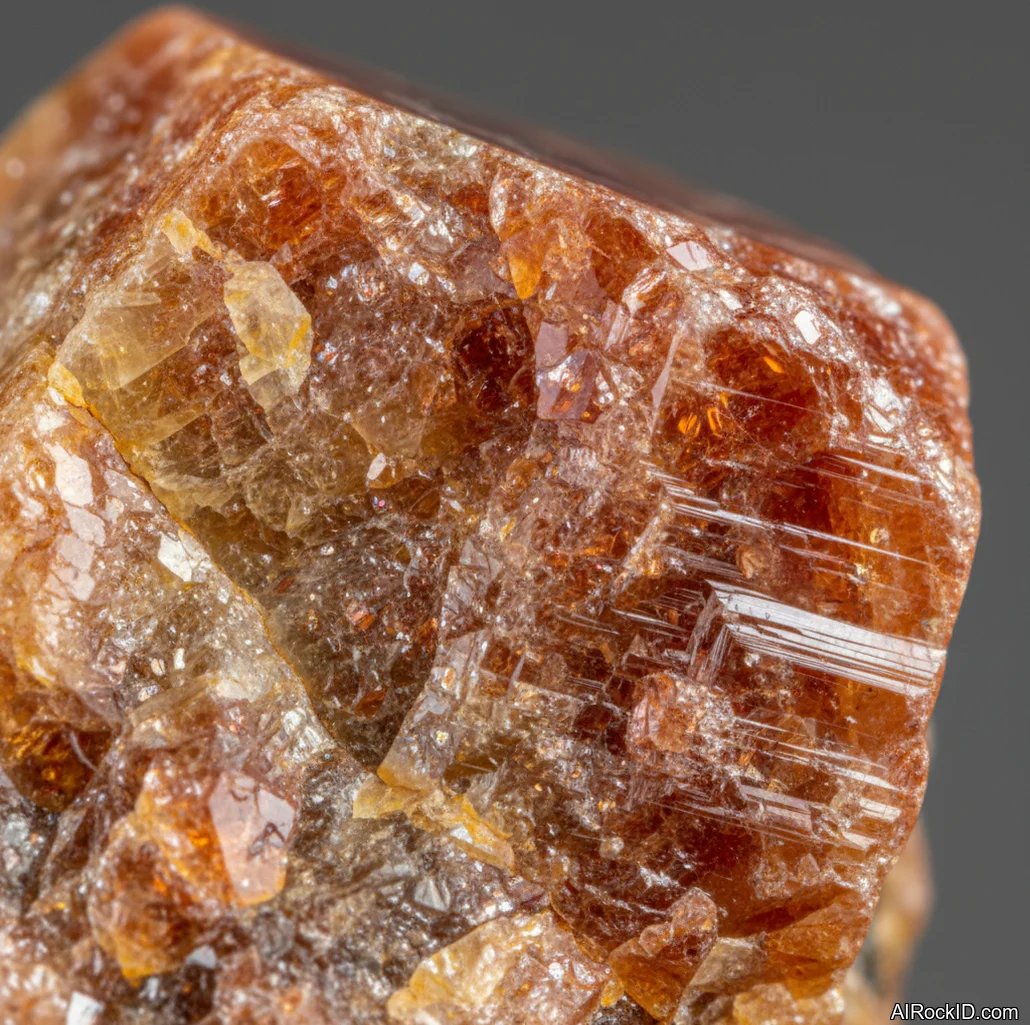
Color: Yellow opal ranges from pale straw and lemon to honey and amber-yellow, often with milky clouds or zoning. Color is usually even, but you’ll sometimes see iron-stained lines or brownish edges where it meets the host.
Luster: Waxy to vitreous, usually more waxy on tumbled or softly polished pieces.
If you scratch it with a steel nail, it may mark, while quartz and chalcedony usually won’t. The real test is the feel and look together: opal has a softer, less crisp shine and tends to look slightly “wet” even when it’s dry. Cheap versions in glass feel slick and look too uniform, and they often show little bubbles if you use a loupe.
Properties of Yellow Opal
Physical Properties
| Crystal System | Amorphous |
| Hardness (Mohs) | 5.5-6.5 (Medium (4-6)) |
| Density | 1.98-2.25 |
| Luster | Waxy |
| Diaphaneity | Translucent to opaque |
| Fracture | Conchoidal |
| Streak | White |
| Magnetism | Non-magnetic |
| Colors | Yellow, Honey, Golden, Cream, Amber |
Chemical Properties
| Classification | Silicates |
| Formula | SiO2·nH2O |
| Elements | Si, O, H |
| Common Impurities | Fe, Al, Ca, Mg |
Optical Properties
| Refractive Index | 1.37-1.47 |
| Birefringence | None |
| Pleochroism | None |
| Optical Character | Isotropic |
Yellow Opal Health & Safety
Yellow opal is safe to handle, and it isn’t toxic. The real issue isn’t you getting exposed to anything, it’s the stone itself getting scratched or chipped (opal can be a bit touchy), so the main risk is physical damage to the gem.
Safety Tips
Keep it away from heat and don’t let it dry out too fast. And skip ultrasonic cleaners and steam cleaning altogether. If you need to cut or sand it, put on a respirator, because that super-fine silica dust gets airborne in a hurry and you really don’t want to breathe it in.
Yellow Opal Value & Price
Price Range
Rough/Tumbled: $5 - $60 per piece
Cut/Polished: $5 - $50 per carat
Price jumps around depending on how see-through it is, how clean the polish looks, and whether it stays free of that cloudy “craze” stuff. A bright honey-colored piece in a clear cab will fetch more than pale, chalky material, even when both are natural (and yeah, that difference is obvious the second you tilt them under a light).
Durability
Nondurable — Scratch resistance: Fair, Toughness: Fair
Opal can craze or crack from dehydration, heat, and fast humidity shifts, so long-term stability depends a lot on storage conditions.
How to Care for Yellow Opal
Use & Storage
Store it away from heat vents and direct sun, ideally in a small box or bag so it doesn’t bang into harder stones. If your climate is bone-dry, a closed container helps slow down dehydration.
Cleaning
1) Rinse briefly in lukewarm water and use mild soap. 2) Wipe with a soft cloth or a very soft brush, then rinse again. 3) Pat dry and let it air-dry at room temperature, not on a windowsill or near a heater.
Cleanse & Charge
For non-water methods, smoke, sound, or a quick rest on selenite work fine. Skip hot sun charging since heat and UV can stress opal over time.
Placement
Keep it where it won’t get knocked around, like a shelf inside a case or a bedside table away from a lamp that runs warm. I wouldn’t leave a yellow opal cab on a sunny windowsill for weeks.
Caution
Don’t use ultrasonic cleaners, steam cleaners, boiling water, or harsh chemicals. And try not to shock it with sudden temperature changes. Keep it out of prolonged, direct sunlight too.
Works Well With
Yellow Opal Meaning & Healing Properties
Next to louder stones like citrine or sunstone, yellow opal just doesn’t shout. It sits there. Quiet. When I’m flipping through a tray at a show, it’s the one I reach for when I want that warm, honey-ish look that won’t hijack the whole table. People who fall for it don’t usually talk about fireworks. They talk about feeling steadier, a little more grounded in their own skin, that calmer kind of confidence.
On a stressful day, pick one up and it makes sense why crystal folks tie it to the solar plexus. It’s got that “gentle push” feel, at least from what I’ve noticed and what customers tell me at the shop. But look, it’s still a rock. If you’re dealing with anxiety, sleep issues, or anything medical, treat crystals as personal ritual and comfort, not treatment.
Thing is, yellow opal can be a headache because a lot of what’s out there is soft and porous, and some of it’s stabilized or treated. So people get all hyped, then they’re bummed when it scuffs up fast or starts to craze (those tiny crackly lines you didn’t see under the lights). If you want something for daily carry, I’d treat it more like a talisman you handle at home, not a pocket stone rattling around with your keys. And if you’re after that bright “sun” vibe without the fragility, yellow calcite or citrine is usually just easier to live with.
Identify Any Crystal Instantly
Snap a photo and get properties, value, care instructions, and healing meanings in seconds.